
Skip to content

Forecasting the Future: Integrating Weather and Climate Models into Your Emergency Response Plan

Planning for hurricanes and other major weather events is an important part of emergency preparedness. While storms can cause widespread property damage, utility outages, and transportation disruptions, they can also cause spikes in mosquito populations, which may overwhelm displaced citizens or emergency response workers. By understanding and anticipating the ways climate and weather can influence mosquito populations, you can build a more robust emergency response plan.

How Temperature and Precipitation Affect Mosquito Populations

Temperature and precipitation are two key environmental factors that influence mosquito activity, breeding, and population levels.

Changing Temperatures

Mosquitoes thrive in warm temperatures, with the ideal range for adult mosquitoes being from 75°F to 90°F. Paired with high humidity, these conditions facilitate the rapid breeding and development of mosquitoes, and their feeding behavior is most aggressive at temperatures within this range. At temperatures below 50°F or above 90°F, mosquito activity sharply declines. 

With average temperatures increasing in many parts of North America, ideal conditions for mosquitoes can become more common. Higher average temperatures and milder winters can increase the survivability of mosquitoes and their eggs, allowing established mosquito populations to broaden their range. 

This can occur in native mosquito species, which may adapt to newer, more favorable conditions, as well as in invasive species like Aedes albopictus, which have been introduced from tropical and subtropical regions. As conditions change over time, mosquito species may survive higher latitudes or elevations at which they were not previously established.

The Effects of Rainfall

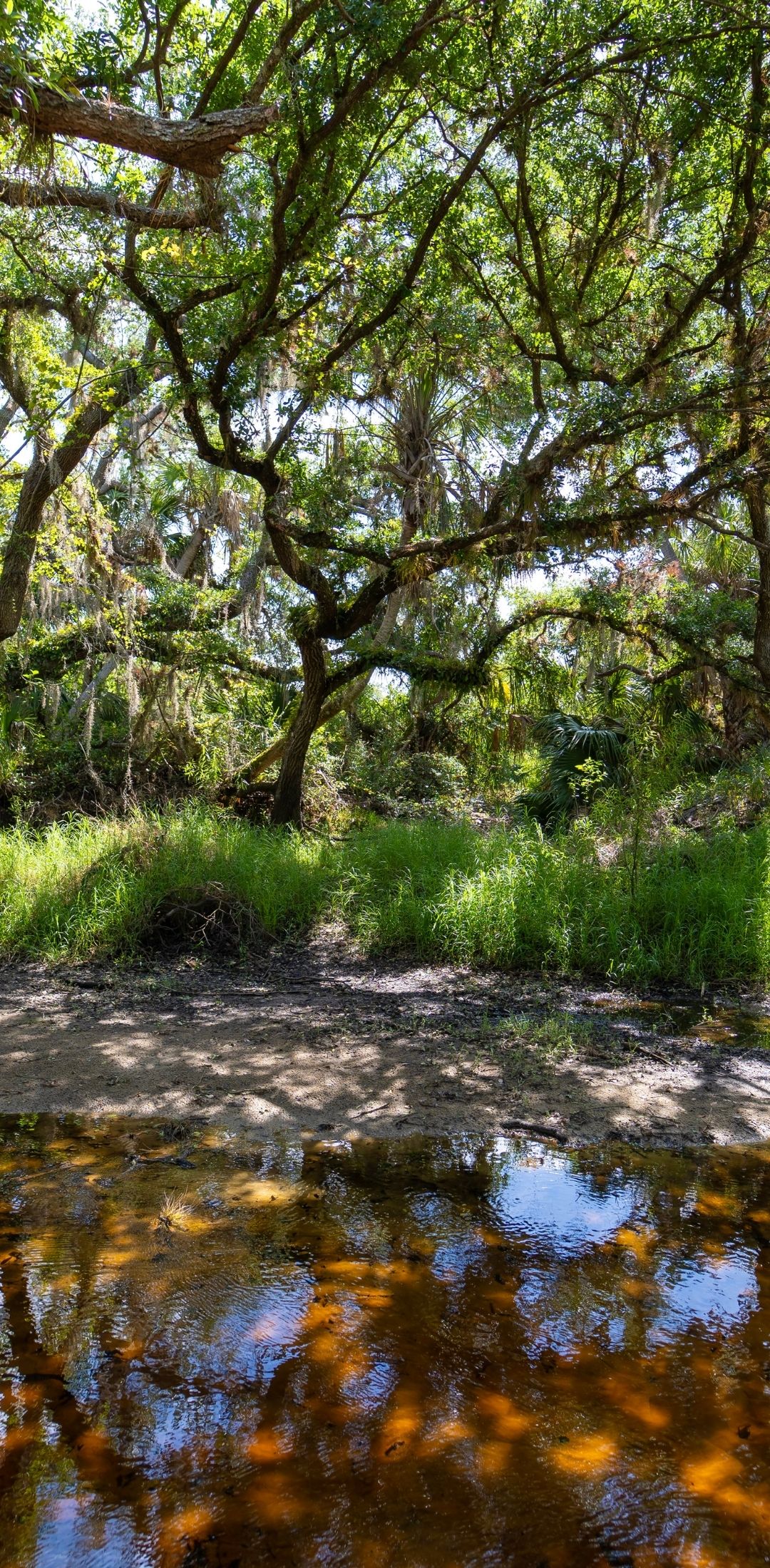
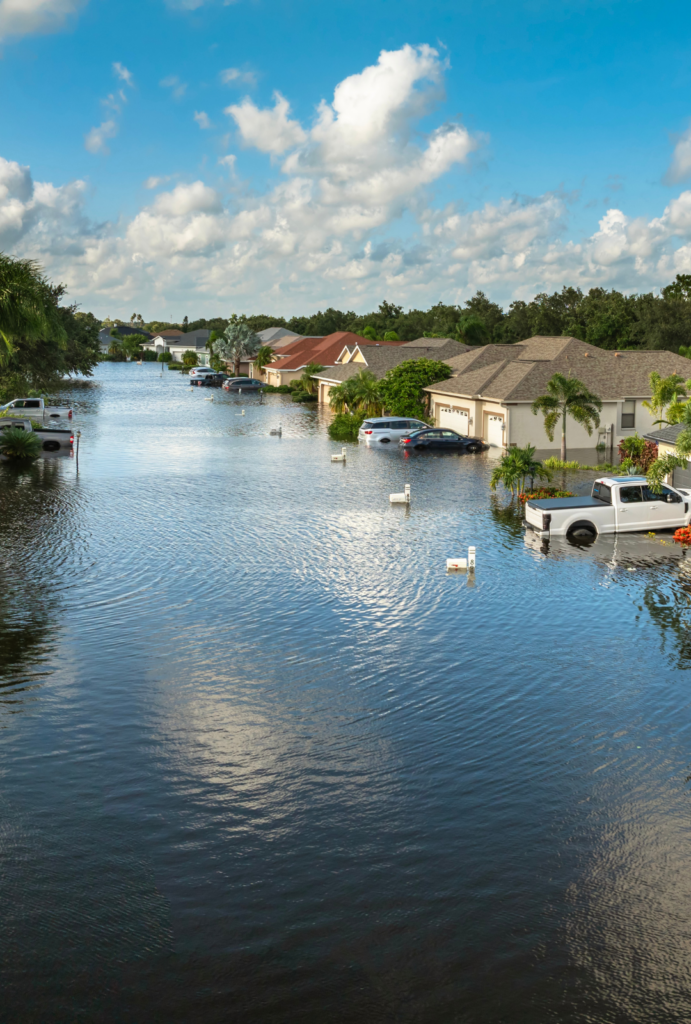
When a tropical storm or a hurricane affects an area, heavy precipitation can cause a substantial amount of standing water in a short time. Previously dry, low-lying areas can become inundated, greatly expanding the availability of mosquito breeding sites. Humidity levels often increase after a storm as well.

However, storms can also overwhelm existing mosquito breeding sites by rapidly flushing out existing water, causing an overflow, which may flood out or drown existing mosquito habitats. One area can be affected by a storm differently from another, making it crucial to plan for the specific features and conditions present.

flooded residential neighborhood after a major storm

Making a Mosquito Emergency Response Plan

In situations where favorable temperature and humidity levels coincide with a dramatic increase in standing water after a storm, mosquito populations can rapidly increase

When mosquito populations rapidly increase near human population centers, they can further stress displaced citizens who may be dealing with property loss or other adverse effects of the storm. These dramatic increases in mosquito numbers may also make emergency response work more difficult to conduct, as workers spending long periods outdoors to address downed power lines, roadway debris, or other issues may be forced to constantly fight off swarms of biting mosquitoes.

Because of this, it is crucial to plan ahead and build an emergency response plan that makes appropriate considerations for mosquito management.

Considering Weather and Climate Models

Large climate phenomena like El Niño can affect hurricane seasons, and this information is often factored into yearly forecasts. 

By combining information from weather forecasts with pre-storm mosquito monitoring and surveillance, mosquito management professionals and emergency response planners can prepare for potential population outbreaks. If the data shows significant risk of an outbreak, they will take steps to rapidly curb mosquito population levels so that recovery efforts can continue unimpeded and displaced citizens won’t deal with added stress from abundant mosquitoes.

person holding a document from VDCI Mosquito Management to create a personal Emergency Response Plan

How VDCI Can Help

Mosquito management professionals at VDCI can assist with preparing an emergency response plan and taking appropriate measures pre-storm. 

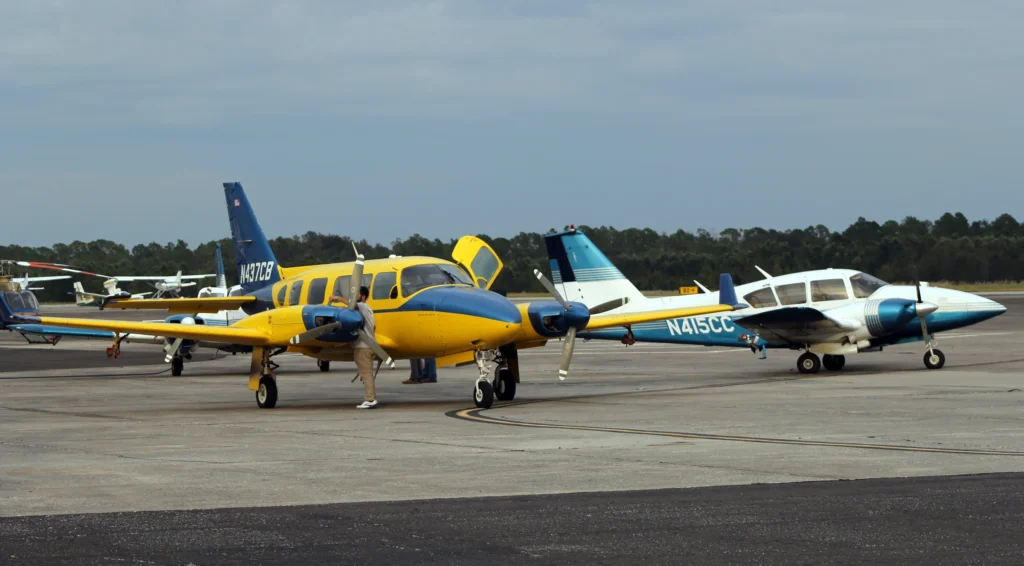
In addition to monitoring and surveillance, VDCI can take proactive control measures such as pre-staging chemical or biological treatments in regions where a hurricane is likely to make landfall.  This ensures there are adequate tools available even if roads and bridges are severely damaged.  

Experts at VDCI will also take action post-storm to monitor changes in mosquito populations and may run aerial missions to aggressively control mosquito numbers. Results will be closely monitored and communicated to emergency response planners and other local stakeholders. 

Effective emergency response is complex, but with careful planning and collaboration, you can be well-prepared for hurricanes and other major weather events. 

Key Takeways

  • Weather and climate patterns can significantly influence mosquito populations before and after major storms.
  • Heavy rainfall and standing water can create ideal mosquito breeding conditions following hurricanes or major flooding events.
  • Pre-storm mosquito surveillance helps emergency planners anticipate population surges and target mosquito control efforts.
  • Emergency response plans should include mosquito management strategies to protect workers and the public.
  • Partnering with mosquito management professionals before and after storms can reduce mosquito populations and support effective emergency response.
YouTube player

Contact Our Experts

Complete the form below or call us at 800-413-4445 to speak to an expert about your mosquito management needs.

VDCI_Logo_squareSince 1992, Vector Disease Control International (VDCI) has taken pride in providing municipalities, mosquito abatement districts, industrial sites, planned communities, homeowners associations, and golf courses with the tools they need to run effective mosquito control programs. We are determined to protect the public health of the communities in which we operate. Our mosquito control professionals have over 100 years of combined experience in the field of public health, specifically vector disease control. We strive to provide the most effective and scientifically sound mosquito surveillance and control programs possible based on an Integrated Mosquito Management approach recommended by the American Mosquito Control Association (AMCA) and Centers for Disease Control and Prevention (CDC). VDCI is the only company in the country that can manage all aspects of an integrated mosquito management program, from surveillance to disease testing to aerial application in emergency situations.