VDCI provides science-based mosquito control through a comprehensive Integrated Mosquito Management (IMM) framework. We create customized programs for municipal, county, and parish officials, utilizing a combination of GIS mapping, weather monitoring, mosquito surveillance, and laboratory testing to inform our operations. VDCI also offers supplemental services to support existing abatement programs.
What Mosquito Control Methods Does VDCI Use?
To target mosquitoes throughout their lifespan, VDCI uses a combination of control stratiges, including:
- Source reduction
- Larval control
- Adult mosquito control
Both mosquito larviciding and adulticiding methods utilize environmentally responsible biological and chemical products to ensure each intervention is targeted for maximum effectiveness.
Source Reduction: Eliminating Mosquito Breeding Habitats
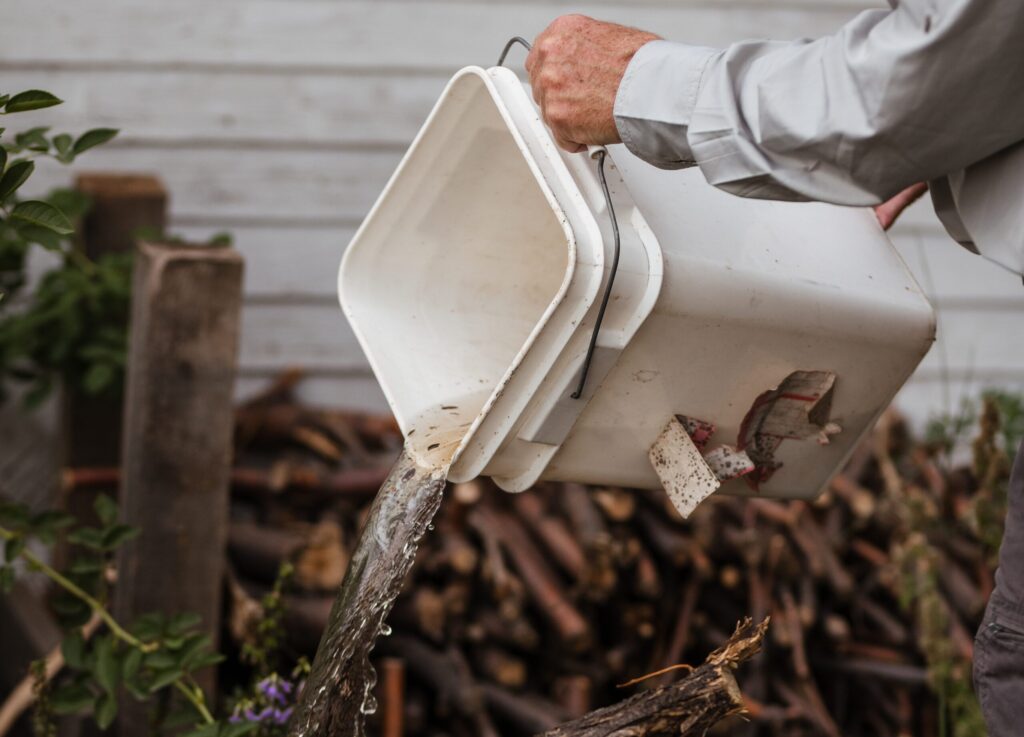
Reducing available breeding habitats for mosquitoes is a simple and effective way to reduce populations. It is recommended to conduct large-scale drainage projects throughout communities to reduce mosquito breeding habitats.
Although VDCI does not undertake such projects, we will work closely with local agencies to identify drainage problems. VDCI can apply herbicides on a limited basis to roadside ditches, which helps improve drainage and evaporation, reducing mosquito habitat.
Educating Citizens On How to Limit Mosquito Breeding Sites
Educating the public about best practices for source reduction can enhance your overall Integrated Mosquito Management (IMM) program.
Our team conducts neighborhood source reduction campaigns, which involve going door-to-door and performing inspections as necessary to reduce the population of urban mosquitoes, such as Aedes albopictus and Culex quinquefasciatus.
We will also educate homeowners on how to identify and eliminate mosquito habitats to control mosquito breeding in their backyards.
Larval Mosquito Control Services
Experts utilize two types of control measures for mosquito larvae: biological and chemical control methods. Both approaches proactively target mosquitoes early in their life cycle before they have the chance to develop into biting adults.
What Is Biological Mosquito Larvae Control?
Biological mosquito control introduces natural predators or targeted organic organisms to eliminate mosquitoes early in their life cycle.
Naturally occurring organisms that help control mosquito larvae include:
- Birds
- Bats
- Fish
- Dragonflies
- Copepods
- Carnivorous mosquito larvae
Artificially introduced organisms are also utilized, such as:
- Bacillus thuringiensis var israelensis (Bti)
- Bacillus sphaericus (Bs)
Although few of the biological control agents occurring in nature are available to mosquito control specialists, the introduction and replenishment of Gambusia affinis (the mosquito fish) afford good control in pools, ponds, ditches, and drainage canals, where allowed by law.
The most effective and environmentally sound biological agents are Bti and Bs. These products are available in liquid, granular, and time-release formulations and pose little threat of resistance development.
Mosquito Larviciding Services
Chemical control of larval mosquitoes is carried out when and where biological control is not feasible. Methoprene, an insect growth regulator (IGR), can be used in any mosquito-producing area where extended control is desired.
These areas can be treated on a 45- 150-day schedule once positive production is found. Control of mosquitoes found in tire piles throughout a municipality can be treated at 30-day intervals using methoprene.
Any use of non-biological larvicides is closely monitored, and mosquito species exposed are tested regularly for any evidence of resistance. Chemical larvicides can be used in briquette, granular, or liquid forms depending upon treatment needs and habitat type.
How Are Mosquito Larvicides Applied?
Larviciding can be conducted using a variety of equipment and methods.
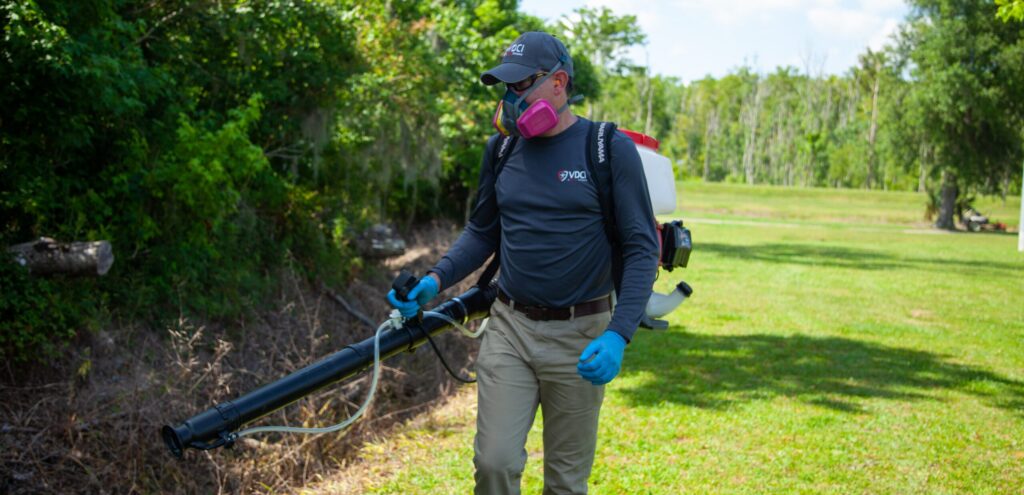
Backpack applicators and spreaders can be used where vehicle access is unavailable. Tire piles, swales, retention ponds, backyards, etc., can be treated with this type of equipment.
All Terrain Vehicles (ATV) or trucks can be equipped with power sprayers and spreaders capable of holding from 15 to 100 gallons when larger areas need treatment.
Aerial larviciding applications can also be conducted to treat large or difficult-to-reach areas. VDCI is proud to own and operate its fleet of aircraft dedicated to mosquito control.
These mechanisms can be used with all types of larvicide and in most habitat types, such as marshes, swales, or septic ditches. Public parks, golf courses, and ball fields can also be treated quickly and efficiently when surveillance indicates the presence of mosquito larvae.
Adult Mosquito Management Strategies
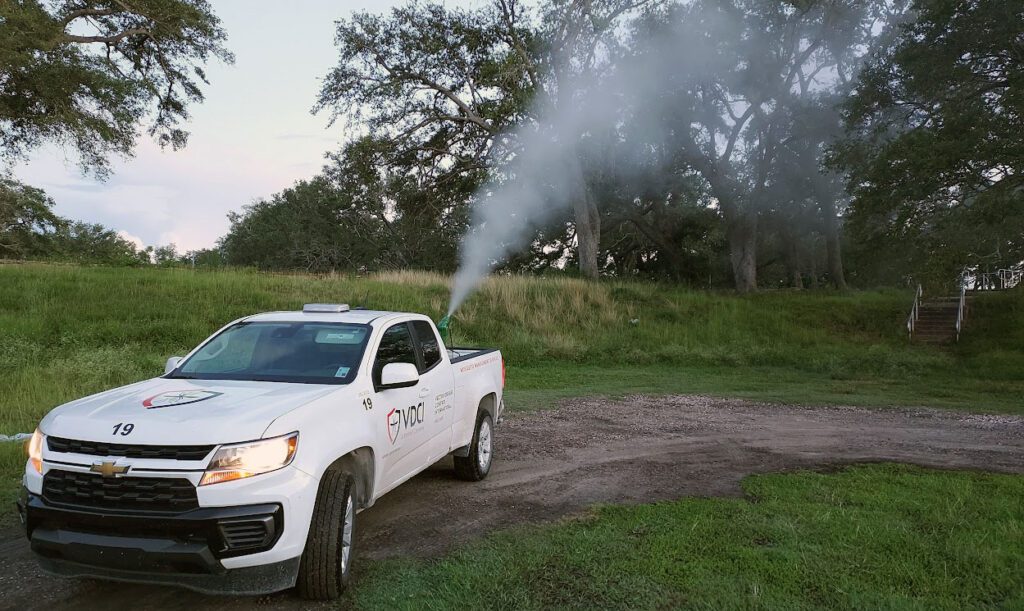
When surveillance indicates that adult mosquito populations have exceeded thresholds or disease risk is imminent, adulticiding serves as the final, critical component of an Integrated Mosquito Management (IMM) program.
At VDCI, we use surveillance, source reduction, larviciding, and public education in concert to minimize the frequency of adulticiding applications. When necessary, we select the most environmentally responsible adulticides and conduct rigorous insecticide resistance testing to ensure long-term program efficacy.
How Are Mosquito Adulticides Applied?
VDCI operates the nation’s largest private fleet of specialized aircraft and ground-based equipment to conduct effective mosquito adulticing applications, including:
Trucks and ATVs mounted with Ultra-Low Volume (ULV) equipment are utilized to conduct applications throughout communities. Every vehicle is equipped with GPS tracking to provide precise route delineation and transparency. Our technology is calibrated to the most stringent standards, ensuring optimal droplet size and accurate placement for maximum control with minimal environmental impact.
Backpack applicators are also utilized to control mosquitoes in highly targeted or smaller areas.
Aerial mosquito spraying can be utilized to control adult mosquito populations swiftly and efficiently. Aerial mosquito control applications can be conducted as part of an IMM program, in emergencies following a major storm, or to prevent a mosquito-borne disease outbreak.
FAQs About Mosquito Control Services
What is Integrated Mosquito Management (IMM)?
Integrated Mosquito Management (IMM) is a science-based, comprehensive framework used to control mosquito populations throughout their lifespan. An effective IMM program combines GIS mapping, weather monitoring, mosquito surveillance, and laboratory testing with source reduction, larviciding, and adulticiding to manage mosquitoes safely and effectively.
How do you eliminate mosquito breeding habitats?
Mosquito breeding habitats are primarily eliminated through source reduction, which involves removing or draining standing water where mosquitoes lay eggs. This includes community-wide drainage improvements, localized herbicide applications to clear roadside ditches, and neighborhood public education campaigns to help residents identify and eliminate standing water in their own backyards.
What application technology does VDCI use to control mosquito larvae and adult populations?
VDCI utilizes backpack applicators, ATVs, trucks, and aircraft to manage both mosquito larvae and adults. They are the only mosquito control company that owns and operates a ground and aerial fleet dedicated to mosquito control.
What is Ultra-Low Volume (ULV) mosquito spraying?
Ultra-Low Volume (ULV) spraying is a highly precise adult mosquito control method that uses specialized ground equipment (mounted on trucks or ATVs) or aircraft. ULV technology optimizes droplet size and placement, using the minimum amount of environmentally responsible adulticide required for maximum control with minimal environmental impact. Every vehicle utilizes GPS tracking for complete route transparency.
Why is aerial mosquito spraying necessary?
Aerial mosquito spraying is deployed to control adult mosquito populations swiftly and efficiently over vast geographic areas. It is typically utilized as a critical component of an IMM program, following major storms, or to proactively prevent a mosquito-borne disease outbreak.
Explore Our Capabilities
