

Mosquitoes, like many insects, have an exoskeleton that provides structure and protection. While this hardened exoskeleton does provide some protection against the elements, mosquitoes are still susceptible to dehydration and prefer humid environments.
Because mosquitoes depend on standing water for their larvae to develop, many are found close to water. While it may seem intuitive that droughts would eliminate these insects, the reality is more complex
Different Species in Different Environments
Although they depend on standing water to nourish their young, mosquitoes have adapted to lay eggs in a variety of environments that may, or may not, be affected by drought.
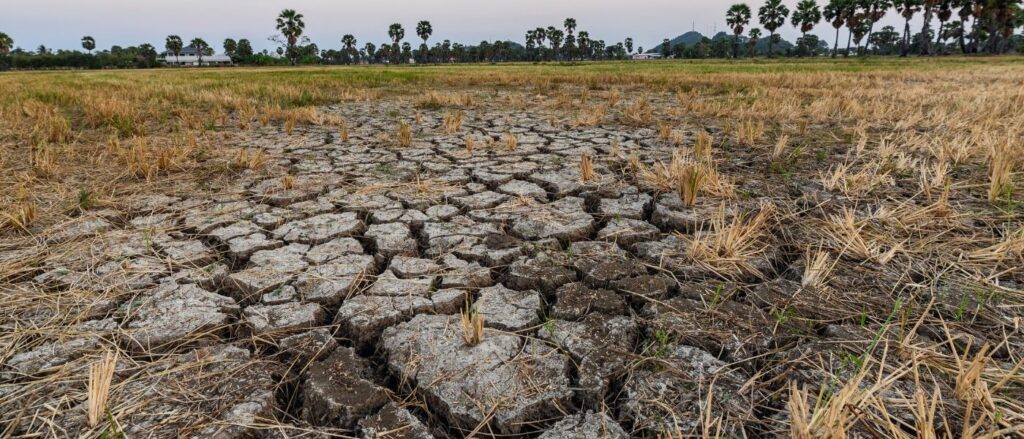
Floodwater Mosquitoes During Droughts
In the case of floodwater mosquitoes, which lay their eggs above the water line in aquatic habitats like ponds or drainage ditches, the eggs may be able to survive in a dormant state for long periods of time during dry conditions. Once the water level rises and inundates the eggs, they will hatch.
In large floodplains outside of human population centers, many clutches of floodwater mosquito eggs may accumulate during periods of drought. When rainfall finally arrives, it can cause eggs to hatch simultaneously. This can result in a dramatic population increase.
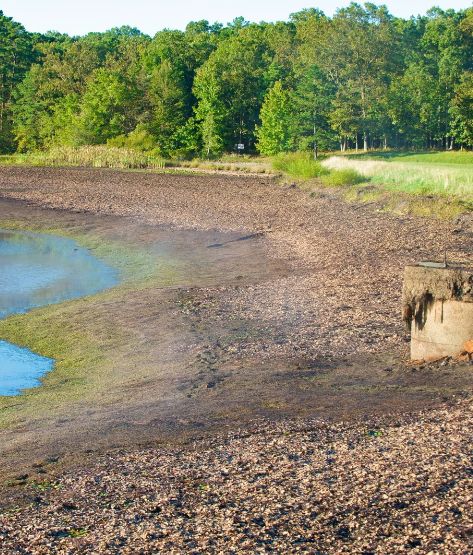
Container Mosquitoes During Droughts
However, other mosquito species may utilize different mechanisms with different outcomes. Container mosquitoes are those species that breed in small pockets of water that collect in natural containers such as tree holes or artificial ones such as flower pots and discarded tires.
While container mosquitoes living outside of human population centers could be heavily impacted by a drought, those living in a suburban environment may be less susceptible. Although natural water sources become scarce in a drought, humans may create ample supplies of standing water as a side effect of lawn irrigation or other uses of municipal water. Because of this, container mosquitoes may find the necessary resources to survive and reproduce during times of drought when living in proximity to humans, even if they otherwise would not.
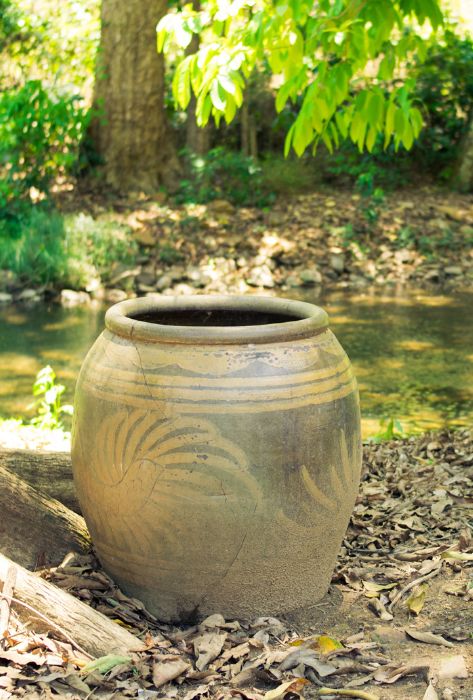
Permanent Water Sources During Droughts
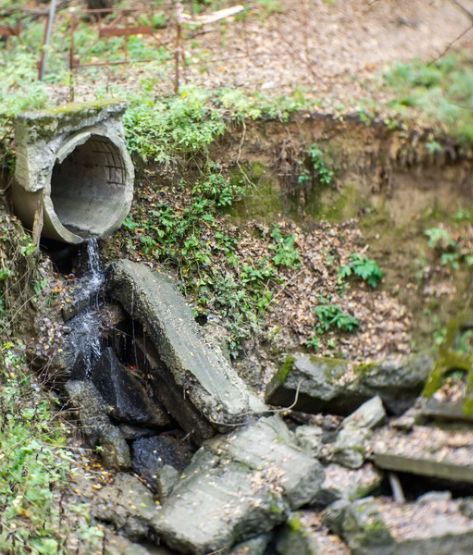
Drought can also create favorable breeding conditions for certain Culex mosquito species. As water levels drop and water flow slows, remaining water may become stagnant. In storm drains and catch basins, a lack of rainfall can also prevent water from flushing through, leaving nutrient-rich standing water that supports mosquito development.
These conditions can allow some Culex populations to increase during drought, even as other mosquito populations decline. This is a public health concern because several Culex species are important vectors of West Nile virus.
Key Takeaway
Drought conditions can affect mosquito species differently. Floodwater mosquito eggs may remain dormant until rainfall returns, while container mosquitoes may continue reproducing in standing water created by human activity. Certain Culex species may increase in number where remaining water becomes stagnant, raising concerns about West Nile virus transmission.
How Droughts Can Influence Disease Risk
Despite posing a threat to the survival of mosquitoes, droughts can actually increase the risk of mosquito-borne disease. Some mosquitoes, like Aedes aegypti, have drought-resistant adaptations that allow them to survive dry conditions. Others may change their behavior in some way, such as by migrating to different water sources, which can put them in closer proximity to human and non-human hosts.
Mosquito Biting Behavior During Drought
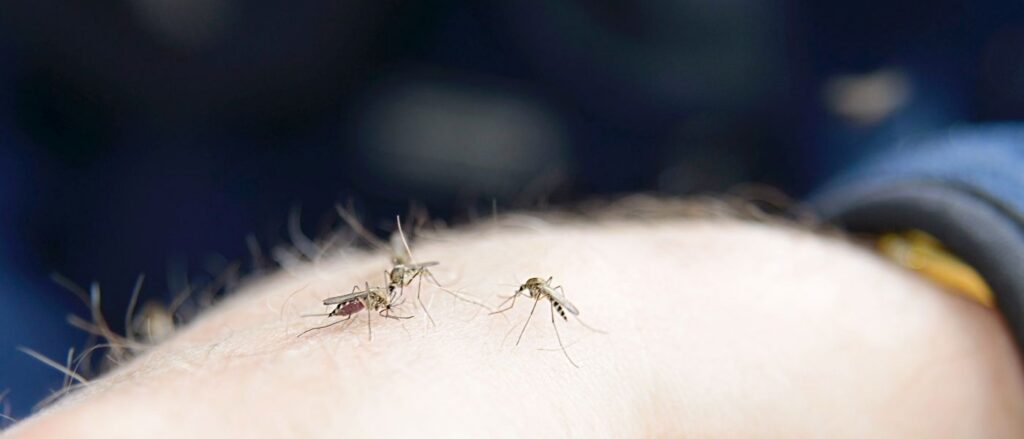
One behavioral change observed during times of drought is that mosquitoes may actually bite more frequently. According to a study conducted by researchers at the University of Cincinnati, under normal conditions, female mosquitoes will seek a blood meal to obtain necessary nutrients for egg production; during times of drought, however, those mosquitoes may seek a second blood meal in order to stay hydrated between the initial blood meal and the time at which they lay their eggs.
These findings suggest that some mosquitoes may seek additional blood meals during drought to help maintain hydration, potentially increasing opportunities for contact with hosts.

Drought and Mosquito-borne Disease Transmission
While there are many factors that influence the spread of mosquito-borne diseases, a higher number of bites on both human and non-human hosts can present a greater opportunity for the transmission of diseases.
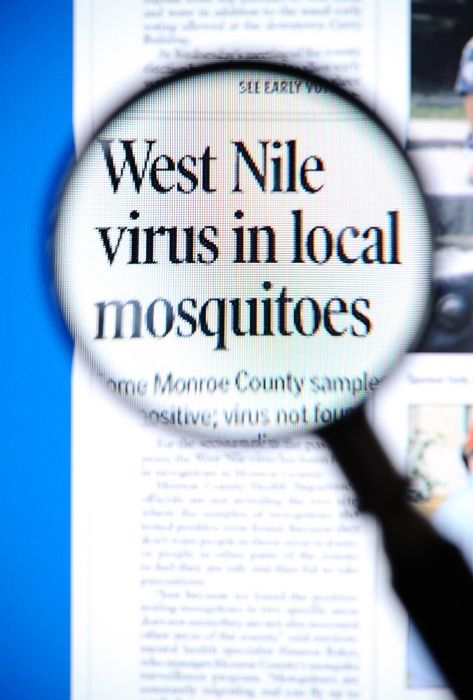
A study by researchers from the University of California Santa Barbara and San Diego State University determined that droughts may increase West Nile virus infection rates by forcing mosquitoes and birds to congregate in greater densities around fewer water sources. Combined with more aggressive biting behavior, these conditions can rapidly increase the likelihood of mosquitoes feeding on infected avian hosts prior to biting humans. Ultimately, this can result in higher rates of West Nile virus transmission during a drought, even if mosquito populations decrease.
Key Takeaway
A decrease in mosquito populations does not necessarily mean a decrease in mosquito-borne disease risk. Drought conditions may cause mosquitoes to bite more frequently and bring mosquitoes and birds into closer proximity around fewer available water sources.
Conclusion
Because mosquitoes prefer humid environments and depend on standing water to reproduce, they are often negatively impacted by droughts. While their populations may decrease during dry periods, this is not necessarily a blanket effect.
Depending on their environment, different mosquito species may also alter their behavior in response to dry conditions. While some uncertainties remain, research demonstrates that changes in mosquito behavior during times of drought can lead to a surprising increase in disease transmission, even if the drought decreases mosquito survivability.
This blog was reviewed by Dr. Peter Obenaur, Medical Entomologist and Technical and Training Manager for VDCI. Dr. Obenaur has 25+ years of experience in preventive medicine, public health entomology, mosquito surveillance, technical writing, and operational vector-borne disease control.

Contact Our Mosquito Control Experts
Complete the form below or call us at 800-413-4445 to speak to an expert about your mosquito management needs.
 Since 1992, Vector Disease Control International (VDCI) has taken pride in providing municipalities, mosquito abatement districts, industrial sites, planned communities, homeowners associations, and golf courses with the tools they need to run effective mosquito control programs. We are determined to protect the public health of the communities in which we operate. Our mosquito control professionals have over 100 years of combined experience in the field of public health, specifically vector disease control. We strive to provide the most effective and scientifically sound mosquito surveillance and control programs possible based on an Integrated Mosquito Management approach recommended by the American Mosquito Control Association (AMCA) and Centers for Disease Control and Prevention (CDC). VDCI is the only company in the country that can manage all aspects of an integrated mosquito management program, from surveillance to disease testing to aerial application in emergency situations.