
The Evolution of Modern Mosquito Control
Over the past century, mosquito control has evolved into a highly regulated, science-driven field. Modern Integrated Mosquito Management (IMM) programs are characterized by their emphasis on safety and precision. Today, mosquito control experts prioritize applying the right insecticide products at the right times and in the right places, in the right amounts, and only when surveillance data indicates it is necessary.
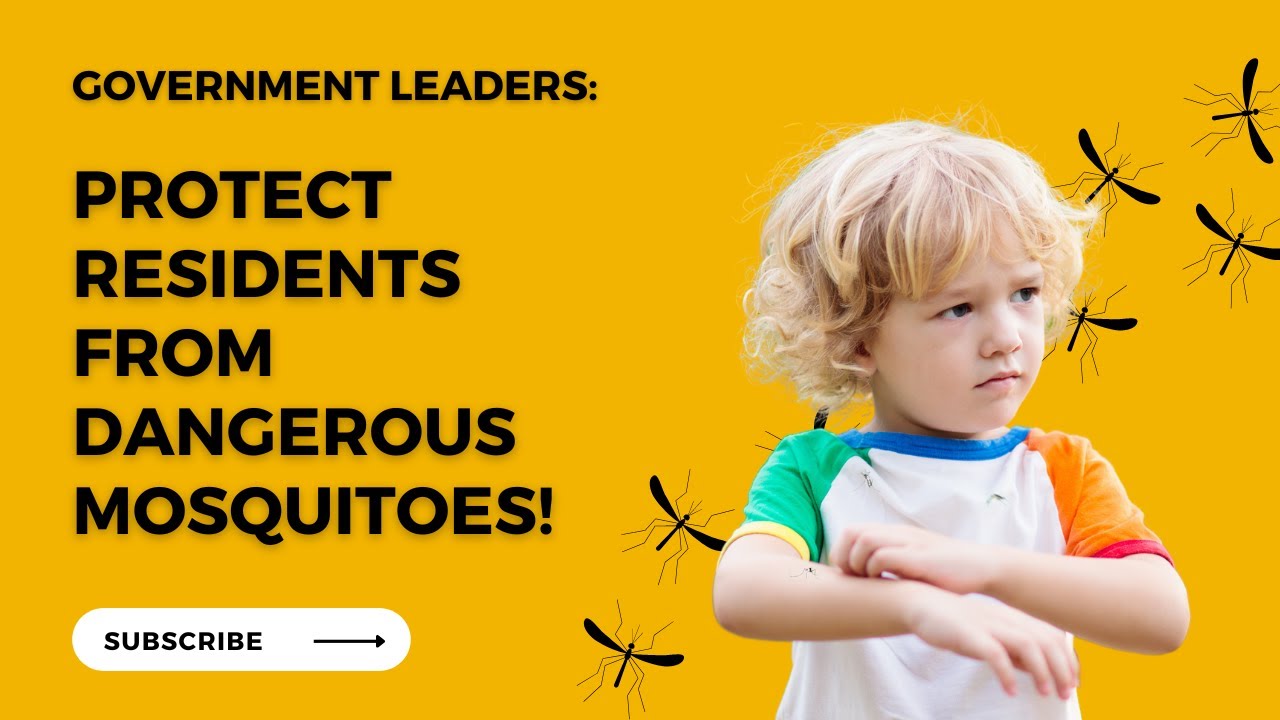
Yet, public education has rarely kept up. Historical missteps, environmental failures, misinformation, and limited understanding of insecticide products have fostered widespread skepticism about insecticide use. Without community buy-in, even the most well-designed IMM programs can fall short of their goals.
Public Trust: The Industry’s Greatest Challenge
Since 1979, the American Mosquito Control Association (AMCA) has recognized public education as a key pillar of IMM programs—equally important to surveillance and disease testing, larval mosquito control, and adult mosquito control. However, only a small fraction of agency budgets are set aside for education, and, as of 2020, the AMCA identified a lack of public support as the industry’s greatest challenge.
Building Public Trust Through Communication
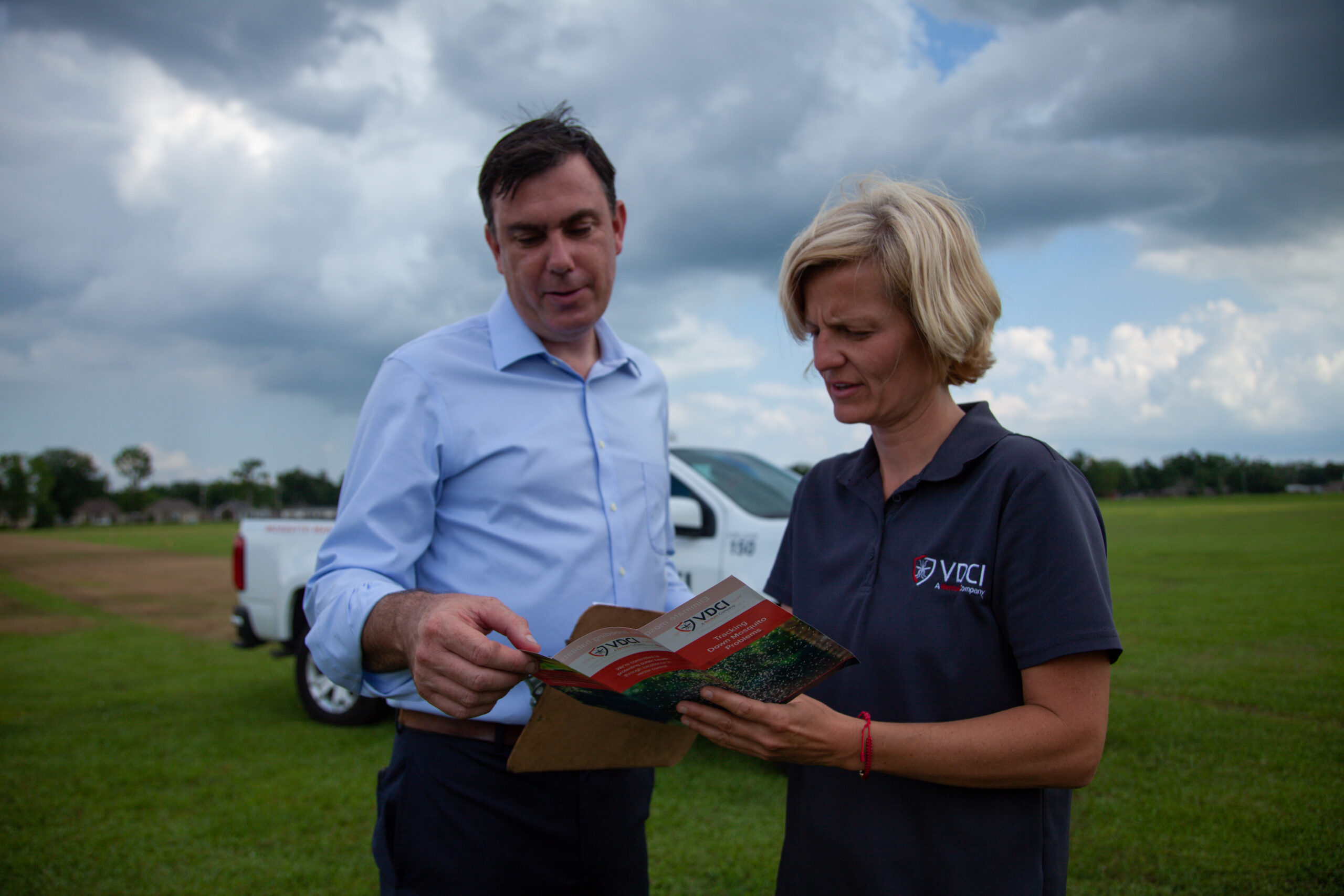
Effective IMM programs rely on public confidence, especially when mosquito control interventions involve visible actions such as spraying. Impressive academic degrees and titles do not automatically generate trust among residents. Instead, trust is built on three fundamental principles:
- Communication
- Empathy
- Consistency
Acting on these principles doesn’t mean diverging from science-based decisions. Rather, it builds support for those decisions through:
- Listening to public health concerns before responding with data
- Acknowledging fear or uncertainty about insecticides without dismissing it
- Anticipating questions before they escalate
- Providing clear, ample information and educational opportunities
- Tailoring messaging to different audiences and contexts
The key to public education is being proactive with these initiatives. The least effective time to build public trust is when initiating city mosquito control actions or, even worse, during a natural disaster, disease outbreak, or other public health emergency. Urgency can cause communication gaps, and heightened emotions can make the public less receptive.
When education and open dialogue are established well in advance, community members can feel a greater sense of safety and certainty when challenges arise. Best practices include:
- Clearly explaining program goals, action thresholds, and safety measures
- Coordinating messaging with public health departments, local media, schools, and community organizations
- Maintaining consistent messaging across communication channels
- Developing pre-approved communication templates for routine control efforts and emergencies
Gaps in Public Education About Mosquito Control
Despite the AMCA’s emphasis on education, many community outreach approaches have remained static. Traditional mediums, such as brochures, presentations, and press releases, have not evolved sufficiently, and opportunities for deeper engagement (such as facility tours or ongoing media spotlights) have broadly declined.
Encouragingly, the organizations responsible for education have started to shift. More agencies are using dedicated communications professionals, rather than relying solely on technical experts. That said, most programs still struggle to gauge whether educational efforts are successful. This is often determined by social media impressions or event turnout, rather than measurable changes in overall public sentiment.
While personal protection tips are widely communicated, far less public education focuses on core topics such as mosquito surveillance, disease testing, larval and adult control, and insecticide resistance. In fact, fear of public backlash has led some mosquito control programs to avoid discussing insecticide use entirely.
The reality is, mosquito-borne diseases kill more than one million people worldwide each year. Insecticides are a vital tool to reduce public health risks during periods of elevated mosquito activity.
Setting Expectations for Mosquito Control Programs
Residents want to understand what products are being used, how those products interact with the environment, where and when applications occur, and most importantly, why those actions are necessary. Covering the following topics can help set expectations around what mosquito control activities may look like:
The Goals of Integrated Mosquito Management (IMM)
IMM programs are not focused on eliminating all mosquitoes—they’re designed to keep mosquito populations at manageable levels and minimize the need for chemical intervention. Insecticide applications are never routine. Mosquito surveillance, disease monitoring, and data analysis guide every decision regarding when and where to apply insecticides.
Following Action Thresholds
Insecticides are applied only when defined action thresholds are met and only in locations where data indicates a clear need. An action threshold is a predefined level of mosquito abundance, activity, or disease risk that triggers a carefully planned intervention. Timing, products, and application methods are tailored to target specific mosquito species while minimizing impacts on people, animals, and non-target insects.
How Insecticide Applications Work
Our program managers evaluate a wide range of environmental and site-specific factors when determining which products are best suited for each treatment area. These considerations include vegetative cover, organic content in the water, the presence of beneficial biological control agents, and weather-related influences such as heavy rainfall or flooding that may dilute or displace treatments. By carefully assessing these variables, we ensure that each application is both effective and environmentally responsible.
VDCI utilizes only EPA-registered products that are specifically labeled for public health mosquito control, ensuring both safety and regulatory compliance. All applications are conducted by licensed professionals who are trained to apply treatments accurately and responsibly. To effectively manage mosquito populations at every stage of their life cycle, we employ a combination of strategies, including larviciding, which targets mosquitoes in their aquatic larval stage before they develop into biting adults and adulticiding, which focuses on reducing populations of active, flying mosquitoes. In addition, we prioritize the rotation of insecticide classes to help minimize the risk of resistance development and maintain long-term effectiveness.
Types of Mosquito Control Equipment
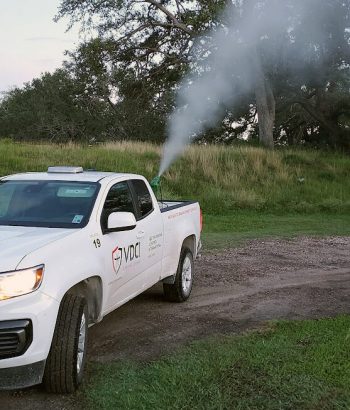
The key to safe insecticide applications is Ultra-Low Volume (ULV) spray equipment, which is designed to disperse fine aerosol insecticide droplets that kill flying mosquitoes on contact. Typically, less than one ounce of product is used per acre, with droplets roughly half the width of a human hair. This equates to about two tablespoons applied to an area the size of a football field.
Residents are most likely to see truck-mounted and backpack sprayers, but drones and aerial solutions can also complement ground-based efforts by providing uniform coverage over large, inaccessible, or hazardous areas.
Preventing Insecticide Resistance
In addition to minimizing environmental impacts, experts strive to keep insecticide use to a minimum to prevent insecticide resistance. If mosquitoes are exposed to a product too frequently or in excessive amounts, the product can lose effectiveness over time.
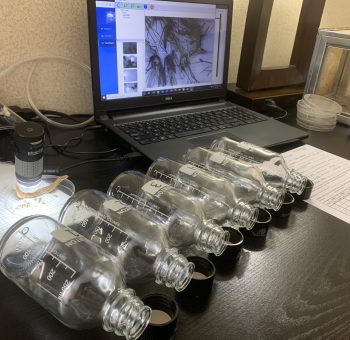
As part of surveillance efforts, scientists regularly test for insecticide resistance in a lab and take necessary steps, such as modifying dosages or rotating products, if resistance is detected.
The Role of Community Participation
Residents play a direct role in mosquito prevention by eliminating breeding sites on their own properties. When the public understands how decisions are made and how their actions contribute to success, mosquito management can be viewed as a shared responsibility.

Community Trust Strengthens Mosquito Control Programs
Partnering with a company that specializes in IMM allows leaders to focus on public health priorities rather than day-to-day complaints or mosquito-related concerns. VDCI offers a range of support, from developing educational campaigns and presenting at public forums to setting up communication channels and emergency response messaging.
Engaging communities early, explaining decisions clearly, and demonstrating accountability helps ensure that when mosquito control is required, public support is already in place.
Contact Our Experts
Complete the form below or call us at 800-413-4445 to speak to an expert about your mosquito management needs.
 Since 1992, Vector Disease Control International (VDCI) has taken pride in providing municipalities, mosquito abatement districts, industrial sites, planned communities, homeowners associations, and golf courses with the tools they need to run effective mosquito control programs. We are determined to protect the public health of the communities in which we operate. Our mosquito control professionals have over 100 years of combined experience in the field of public health, specifically vector disease control. We strive to provide the most effective and scientifically sound mosquito surveillance and control programs possible based on an Integrated Mosquito Management approach recommended by the American Mosquito Control Association (AMCA) and Centers for Disease Control and Prevention (CDC). VDCI is the only company in the country that can manage all aspects of an integrated mosquito management program, from surveillance to disease testing to aerial application in emergency situations.