Beyond the Backyard: Community-Wide Vector Mosquito Control That Protects Public Health
Backyard prevention plays an important role in mosquito management and protecting public health. Simple actions such as eliminating standing water, applying repellents, and limiting outdoor exposure during peak mosquito hours can help reduce mosquito activity around the home and your chances of getting bitten. However, managing mosquito populations effectively often requires more than actions on a single property.
Vector mosquito control programs take a broader view by monitoring mosquito activity across neighborhoods, identifying which mosquito species are present, and adjusting control strategies based on surveillance data. This coordinated approach helps communities manage nuisance and potentially disease-carrying mosquitoes more effectively over time.
Why Does My Backyard Mosquito Problem Keep Coming Back?
Because mosquitoes don’t respect property lines.
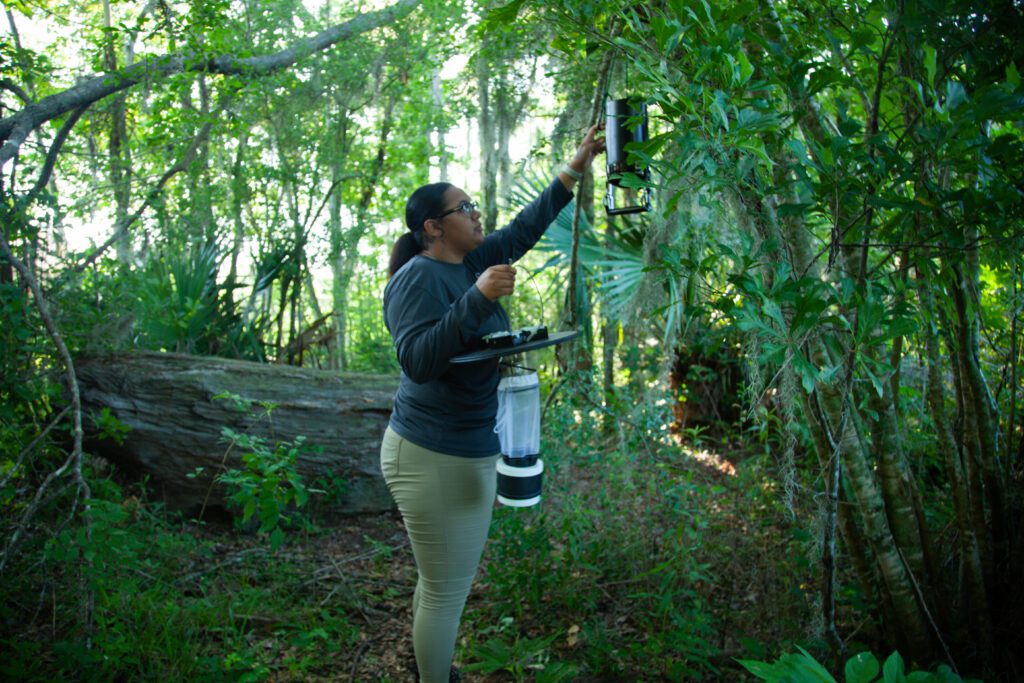
If you’re wondering how to reduce mosquitoes outside your home, you’re not alone. But even the most diligent property owner cannot fully manage mosquito populations alone. Many mosquito species can travel significant distances from where they hatch. Some can fly up to several miles in search of a blood meal.
Mosquitoes are not restricted to one yard. If they’re developing in a storm drain or a retention pond nearby, once they become adults, they will fly and cover a larger area. A single unmanaged mosquito breeding spot can influence what people experience across a block. And while a short-term effort might reduce biting for a while, it doesn’t change the fact that new mosquitoes are still emerging from surrounding areas. Managing them usually involves looking beyond individual properties.
What Is Vector Mosquito Control and Why Does It Matter for Public Health?
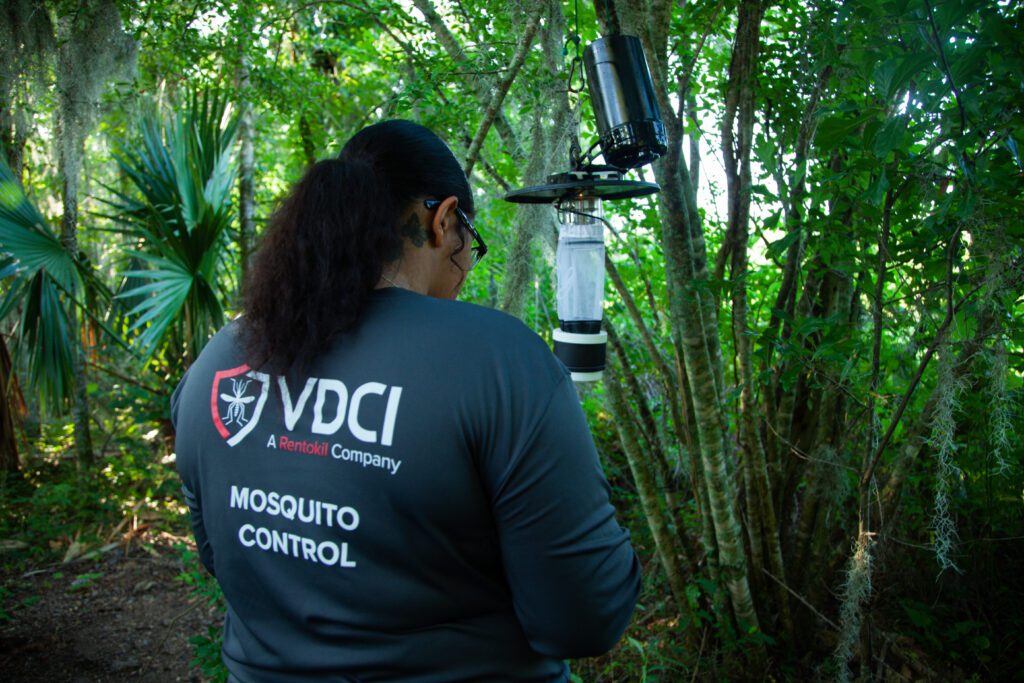
Vector mosquito management is the coordinated action to reduce mosquitoes capable of transmitting diseases to people or affect quality of life when populations become abundant.
Not all mosquitoes transmit diseases. However, certain species can transmit viruses such as West Nile virus, Eastern Equine Encephalitis (EEE), dengue, and others.
Municipal mosquito vector control programs focus on:
- Identifying which mosquito species are present
- Monitoring mosquito population levels
- Testing mosquitoes for disease
- Implementing targeted control efforts based on scientific data
This science-based approach reduces nuisance and potentially disease-carrying mosquitoes while supporting long-term public health goals.
You can learn more about common vector-borne diseases on VDCI’s vector-borne diseases resource page.
Why Mosquito Management Goes Beyond the Backyard?
Backyard prevention is only part of the picture.
Many communities encourage residents to follow the “4 Ds”:
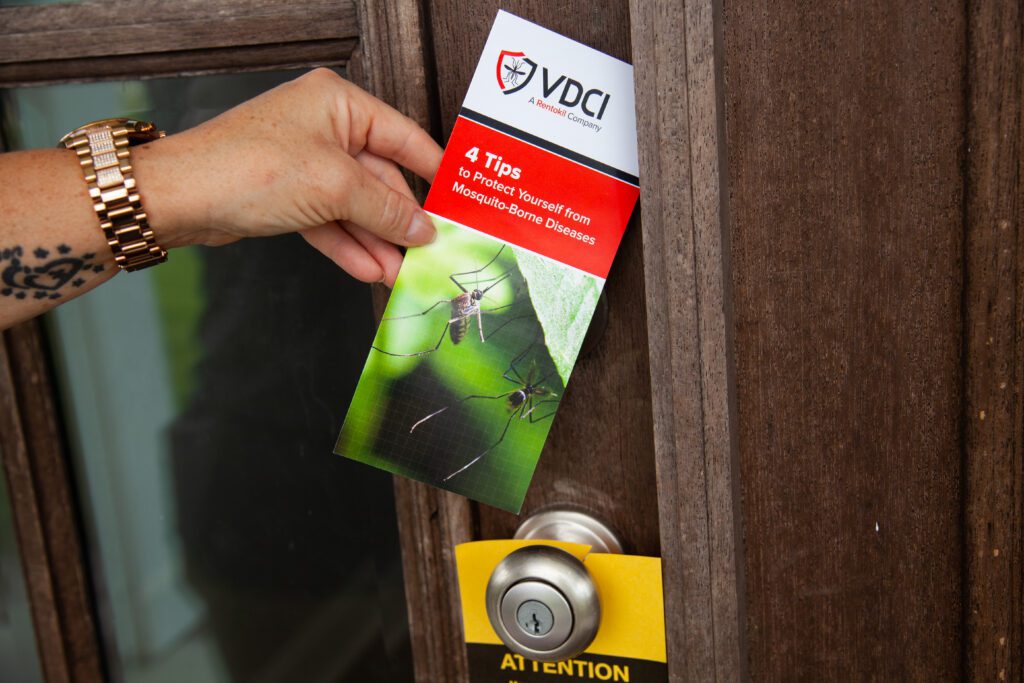
- Dump standing water
- Dress in light-colored, long sleeves, and pants
- Defend yourself with EPA-approved repellents
- Avoid Dawn and Dusk, when many mosquitoes are most active
The following steps can assist with reducing mosquito breeding sites around the home and help protect you from bites. While many mosquitoes develop in backyards, they also breed in storm drains, retention areas, roadside ditches, and other community spaces. Even when individual properties are well-maintained, mosquitoes can travel in from nearby locations. That’s why mosquito management is best addressed at the community level, not property by property.
When municipalities implement Integrated Mosquito Management (IMM) programs, they combine:
- Surveillance and disease testing
- Larval mosquito management
- Targeted adult mosquito management when necessary
- Ongoing public education
This layered strategy addresses mosquito populations at multiple life stages rather than focusing solely on adult mosquitoes.
For a deeper look at how IMM works, visit VDCI’s guide to the four pillars of an effective mosquito management program.
Understanding the Risks of DIY Mosquito Spraying
Some homeowners turn to backyard mosquito sprays for quick relief from mosquitoes. While certain EPA-registered products can provide a temporary reduction in mosquitoes, frequent or uncoordinated spraying can create unintended challenges.
Repeated insecticide use without surveillance data can contribute to insecticide resistance, meaning mosquito populations may become less responsive to those products over time. When resistance develops, it can challenge many mosquito management programs to control populations when targeted interventions are required.
That’s why professional mosquito management programs regularly monitor local mosquito populations for resistance through diagnostic testing to ensure control applications are effective. If resistance is detected, experts can make adjustments to products and application techniques to maintain successful control.
How Does Integrated Mosquito Management (IMM) Reduce Disease Risk?
Integrated Mosquito Management (IMM) reduces public health risk by prioritizing proactive, data-driven decision-making to reduce the spread of mosquito-borne diseases. The Centers for Disease Control and Prevention (CDC) states that effective mosquito control programs combine surveillance, source reduction, larval management, and targeted adult management to responsibly reduce mosquito populations.
IMM programs do not rely on one-time actions. Instead, they:
- Collect Data First
Traps are used to monitor mosquito species, density, and distribution. Lab testing determines whether viruses are present in local populations. - Target Mosquitoes Early
Larval mosquito management addresses mosquitoes in standing water before they emerge as adults. - Use Targeted Adult Management When Needed
When surveillance data shows elevated populations or disease risk, targeted adult mosquito management may be implemented. - Educate the Public
Ongoing communication helps residents understand their role in mosquito management and how they can protect themselves, which helps build transparency and trust around municipal actions.
What is vector mosquito control, and why does it support backyard efforts?
When people think about mosquito control, they usually picture what happens in their own yard. But local governments take a much broader view. They track mosquito activity across neighborhoods, identify which species are present, and adjust their approach as conditions change. Since mosquitoes don’t stay within property lines, efforts that cover an entire community generally have a greater impact than work done on one lot at a time.
What Should Municipal Leaders Consider?
Municipal decision-makers—such as commissioners, public works directors, and health officials—who want to determine if their mosquito management program is set up for success should evaluate whether their community’s approach is:
- Data-driven rather than complaint-driven
- Proactive rather than reactive
- Transparent and education-focused
- Aligned with environmental best practices
A comprehensive mosquito vector control strategy is not about eliminating every mosquito. It’s about managing populations responsibly to reduce nuisance and public health risk.
Key Takeaways
- Vector mosquito control is most effective when implemented as a coordinated, community-wide effort.
- Backyard actions support public health—but they cannot replace coordinated mosquito vector control programs.
- Integrated Mosquito Management (IMM) combines surveillance, larval control, targeted adult management, and public education.
- Proactive, data-driven programs reduce long-term nuisance and disease risk more effectively than one-time fixes.
- Municipal leadership plays a critical role in protecting communities from nuisance and potentially disease-carrying mosquitoes.
When communities invest in long-term surveillance and integrated planning, they’re better equipped to manage nuisance and potentially disease-carrying mosquitoes responsibly. Connect to learn more about how these programs are designed.

Contact Our Experts
Complete the form below or call us at 800-413-4445 to speak to an expert about your mosquito management needs.
 Since 1992, Vector Disease Control International (VDCI) has taken pride in providing municipalities, mosquito abatement districts, industrial sites, planned communities, homeowners associations, and golf courses with the tools they need to run effective mosquito control programs. We are determined to protect the public health of the communities in which we operate. Our mosquito control professionals have over 100 years of combined experience in the field of public health, specifically vector disease control. We strive to provide the most effective and scientifically sound mosquito surveillance and control programs possible based on an Integrated Mosquito Management approach recommended by the American Mosquito Control Association (AMCA) and Centers for Disease Control and Prevention (CDC). VDCI is the only company in the country that can manage all aspects of an integrated mosquito management program, from surveillance to disease testing to aerial application in emergency situations.