
Article Summary
- Vector control is the monitoring and management of insects and other organisms, like mosquitoes, ticks, and flies, that can spread disease.
- Effective vector control combines surveillance, habitat reduction, biological controls, and larval and adult control rather than relying on a single method.
- For municipal leaders, an integrated approach helps protect public health, supports defensible budget decisions, and builds community trust.
Vector control is a strategy communities use to reduce the risk of vector-borne diseases before it becomes a public health problem.
For municipal leaders, it is also a decision about budget, public confidence, and long-term community health. This guide explains what vector control involves and how an integrated mosquito management approach turns that decision into a workable program.
What Is Vector Control?
Vector control is the monitoring and management of insects and other organisms, such as mosquitoes and ticks, that can spread disease. Programs combine mosquito surveillance, habitat reduction, biological controls, targeted larval and adult control to reduce populations, and public educational initiatives to protect public health and limit environmental impact.
Why Does Vector Control Matter for Municipalities?
Mosquito-borne illnesses, like West Nile virus and Eastern equine encephalitis, put residents at risk, and the effects reach well beyond public health:
- Public health: Disease transmission can cause serious illness, and older adults and people with underlying conditions face the greatest risk.
- Local economy: Visitors may avoid traveling to a community with known disease activity, reducing tourism and spending at hotels, restaurants, and shops.
- Local business and events: Parks, festivals, and outdoor dining depend on people feeling comfortable outside. Heavy biting or a disease advisory can lower attendance and revenue.
- Quality of life: Nuisance biting keeps residents indoors and shapes how they view their community and the services their local government provides.
Public officials are expected to respond to the health risk and its economic and community impact. A structured program lets you act on data rather than react to complaints after the fact.
What Are the Core Components of an Effective Vector Control Program?
The most effective programs work as a system. Each component supports the others:
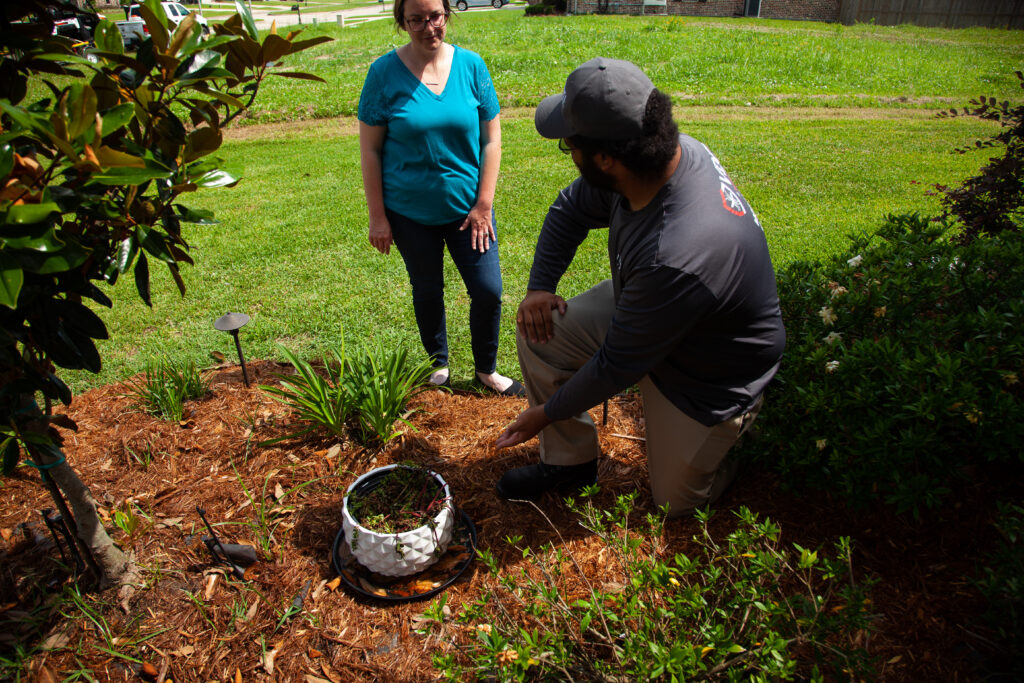
- Public education: Residents who understand how to remove standing water around their home, how to protect themselves from bites, and the primary goals of their local mosquito control program are more likely to support ongoing management efforts.
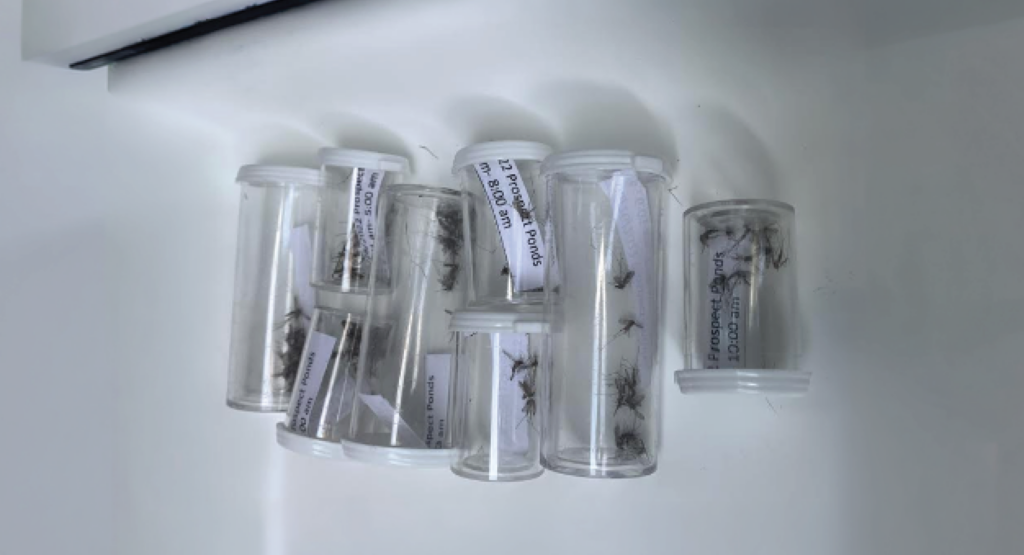
- Surveillance and disease testing: Mosquito surveillance and lab testing help experts identify which mosquito species are present and population volume. Lab analysis also reveals whether local mosquitoes are carrying disease.
- Larval control: Targeting immature mosquitoes in water sources helps reduce adult populations before they emerge.
- Adult control: Targeted mosquito control applications can reduce the adult populations when surveillance shows elevated risk.
Why Is Mosquito Surveillance the Foundation?
Mosquito surveillance tells you where to act, when to act, and whether control measures worked.
Without it, treatment decisions rely on guesswork. With it, you can justify each action to your council, your budget committee, and your residents.
Is Mosquito Spraying Alone Enough?
No. The belief that spraying for mosquitoes is enough on its own is one of the most common misconceptions in mosquito management.
Adult mosquito control is one tool among several. Larval control and public education reduce how often you need it. A proactive, layered mosquito management program is typically more effective and more environmentally responsible than one that relies on reactive spraying.
How Can Municipal Leaders Build a Defensible Mosquito Control Program?
Start with these steps:
- Assess current risk: Review local history of mosquito-borne diseases, mosquito species, and complaint patterns.
- Set measurable goals: Define what success looks like, such as post-treatment trap counts, response times, or disease-testing coverage.
- Choose data-driven methods: Select control tools based on surveillance data.
- Plan for transparency: Share what you are doing with citizens and why to reduce misinformation or fear.
- Prepare for surges: Have a plan in place so experts can respond swiftly if disease activity or a storm event elevates population levels.
Guidance from government agencies like the CDC and EPA can help you align your program with current public health recommendations.
How Do You Keep Vector Control Within a Government Budget?
A proactive mosquito management program can be cost-effective in the long run and funds can be allocated strategically based on real-time population activity. Prioritizing surveillance and larval control can reduce the need for frequent adult control applications, and documented data gives you a clear record to support funding requests. Many communities also use phased approaches that scale as risk changes.
How Do You Build Public Buy-In for Mosquito Control?
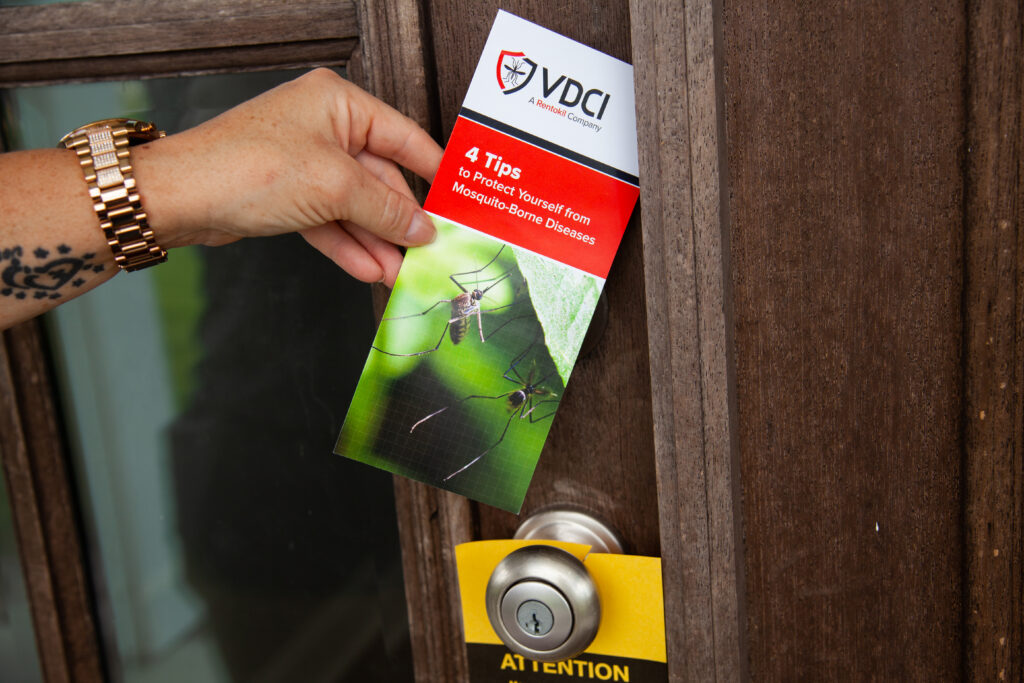
Clear communication with the public matters as much as control measures do.
It is necessary to explain exactly what is being treated, the why, and how products are applied responsibly. Residents who see consistent, science-based messaging are more likely to trust the program and take part in prevention at home.
Key Takeaways
- Vector control is the coordinated monitoring and proactive management of disease-spreading insects, including mosquitoes.
- Effective programs integrate education, mosquito surveillance, larval control, and adult control instead of relying on spraying alone.
- Mosquito surveillance data helps municipal leaders make defensible, budget-conscious decisions.
- A proactive vector management approach protects public health and builds community trust.
Ready to Strengthen Your Community’s Vector Control Strategy?
Vector control works best when it is proactive, comprehensive, and grounded in data, and that is the philosophy behind everything we do. Vector Disease Control International (VDCI), a Rentokil company, provides science-backed Integrated Mosquito Management programs that combine public education, surveillance and testing, larval control, and adult control.
Our team helps municipalities reduce mosquito-borne disease risk and nuisance biting within their budget. Request a consultation to discuss your community’s needs, or explore more guidance in our resource center.
Contact Our Experts
Complete the form below or call us at 800-413-4445 to speak to an expert about your mosquito management needs.
 Since 1992, Vector Disease Control International (VDCI) has taken pride in providing municipalities, mosquito abatement districts, industrial sites, planned communities, homeowners associations, and golf courses with the tools they need to run effective mosquito control programs. We are determined to protect the public health of the communities in which we operate. Our mosquito control professionals have over 100 years of combined experience in the field of public health, specifically vector disease control. We strive to provide the most effective and scientifically sound mosquito surveillance and control programs possible based on an Integrated Mosquito Management approach recommended by the American Mosquito Control Association (AMCA) and Centers for Disease Control and Prevention (CDC). VDCI is the only company in the country that can manage all aspects of an integrated mosquito management program, from surveillance to disease testing to aerial application in emergency situations.