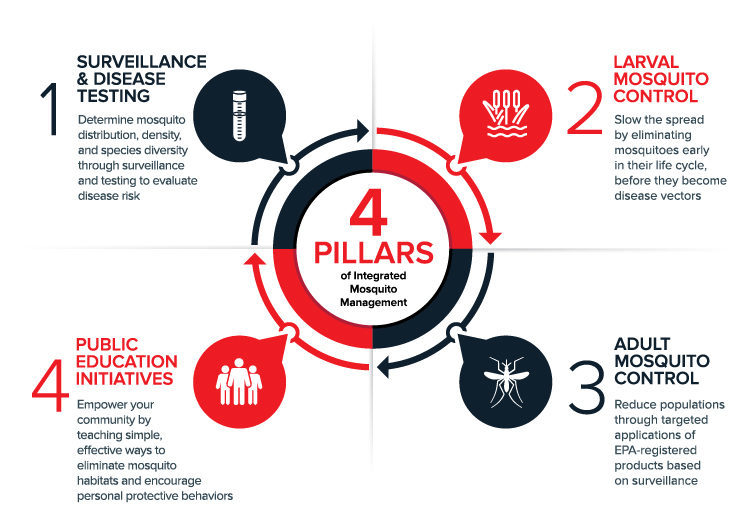

Effective and responsible mosquito control involves more than just spraying insecticides. Integrated mosquito management (IMM) is the modern, comprehensive approach to controlling mosquito populations and reducing the risk of mosquito-borne disease. It takes a multi-pronged and data-backed approach that uses high-impact techniques like chemical applications as sparingly as possible.
For this reason, several proactive approaches are taken before insecticide applications are considered.
1. Mosquito Surveillance
It’s crucial to have a plan for controlling local mosquito populations, and any plan has to start with quality information. The process of understanding the specifics of local mosquito populations is called surveillance.
Mosquito surveillance information is crucial to determining which different mosquito species are present in an area, what diseases these mosquitoes can carry, and which methods of control may be most effective. Surveillance may also be conducted post-treatment to determine whether chemical applications are having the intended effect or if populations are developing resistance.
Surveillance is split into larval mosquito surveillance and adult mosquito surveillance.
Types of Mosquito Surveillance (Larval and Adult)
Larval mosquito surveillance is conducted by inspecting water sources that may provide breeding sites for local mosquito populations. These sources can be mapped, and larval samples can be taken.
Adult mosquito surveillance often relies on trapping. Traps like the New Jersey light trap or CDC light traps attract adult mosquitoes with a combination of light and a carbon dioxide source, which mimics the respiratory gases of mammals that mosquitoes use to find their hosts. Other devices like gravid traps, which specifically target Culex mosquitoes, attract adult mosquitoes with a combination of water and vegetal matter that mimics naturally occurring stagnant water.
All of these traps use a fan to pull mosquitoes into a collection chamber from which they are too weak to fly out.

Analyzing Mosquitoes In the Lab
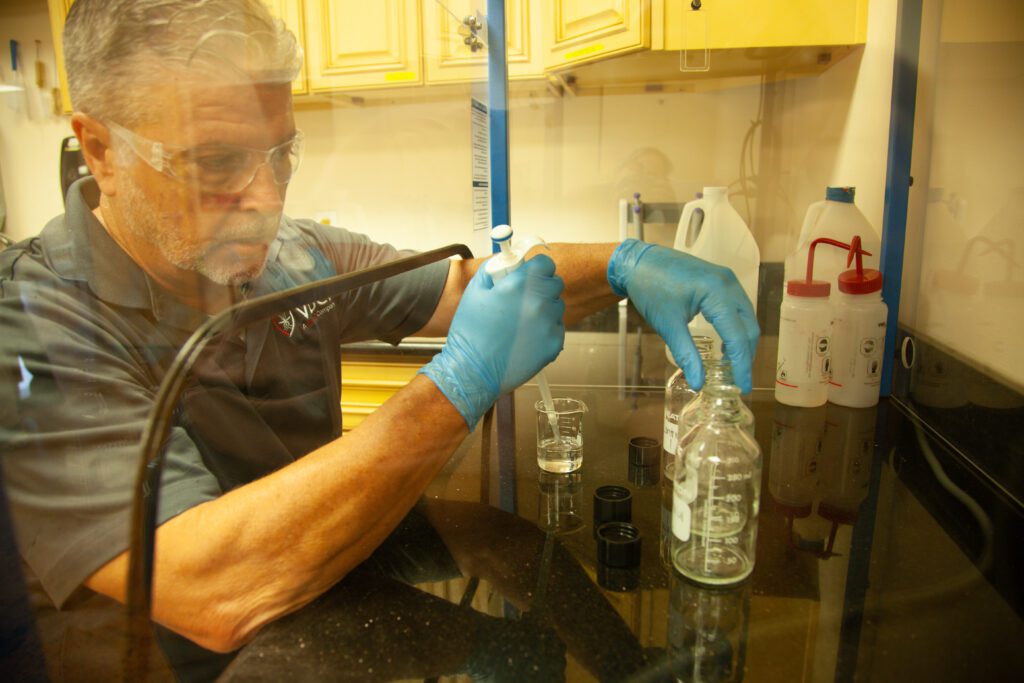
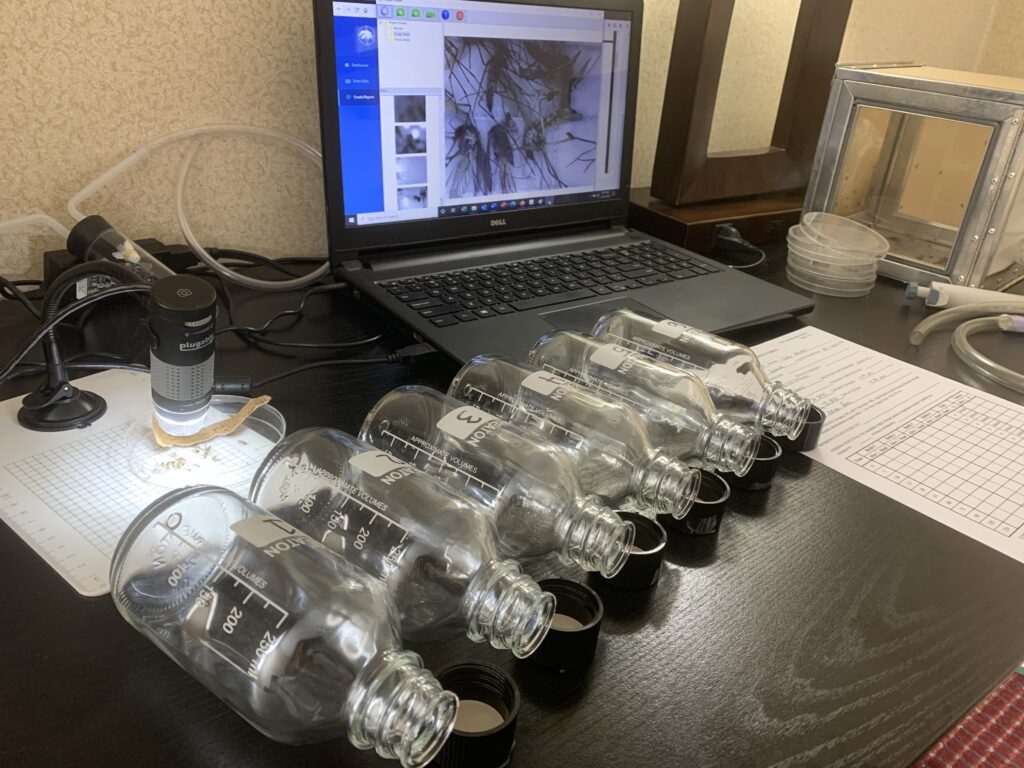
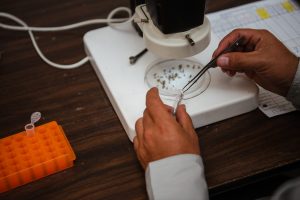
Larvae and adult mosquitoes that are collected must be analyzed in a laboratory by professional entomologists. In this setting, entomologists can identify specific mosquito species present in an area, test them for transmissible diseases, and derive other information such as population numbers. This data is then shared with all appropriate local and state health departments and is utilized to guide an effective city mosquito control plan.
Using Mosquito Surveillance Data to Set Action Thresholds
Mosquito control professionals rely on action thresholds to determine when to deploy control strategies. An action threshold is used to determine when a specific mosquito species has increased within a region or when a disease risk that necessitates intervention. It is only through consistent surveillance that mosquito professionals can compile the data needed to set and follow action thresholds.
2. Source Reduction: Removing Mosquito Breeding Habitats
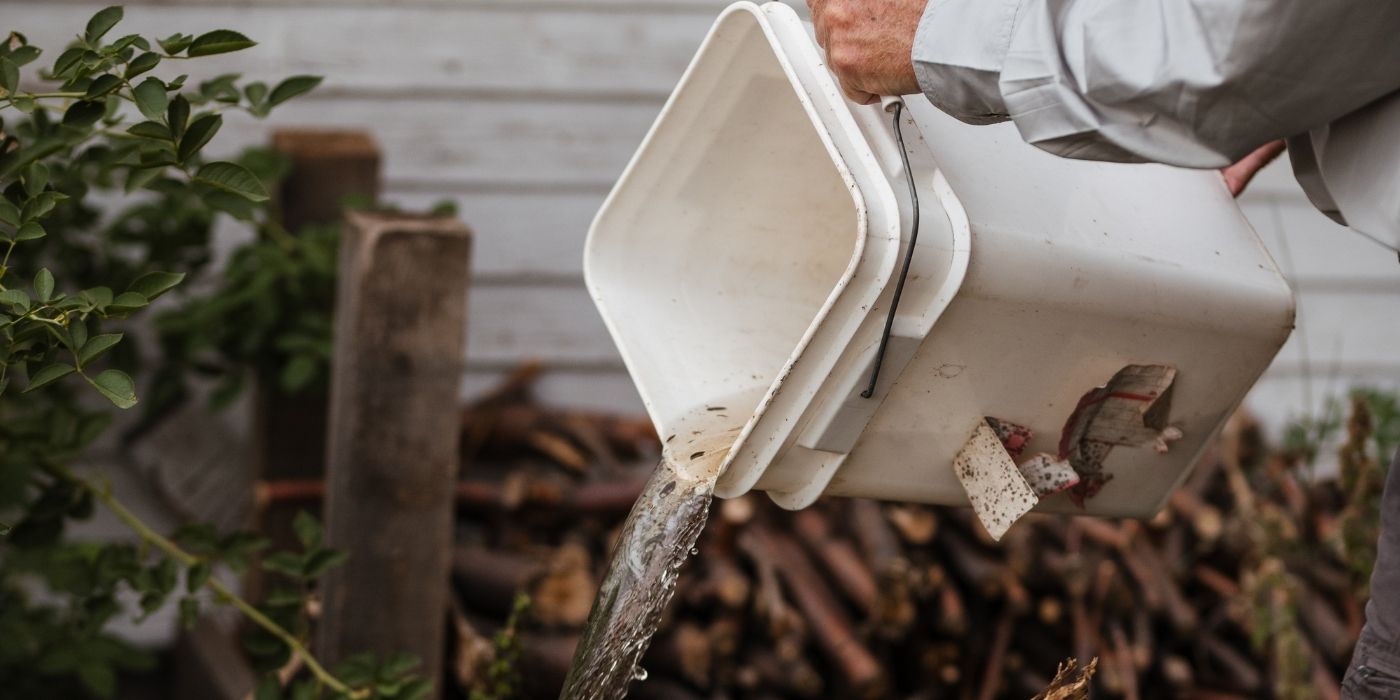
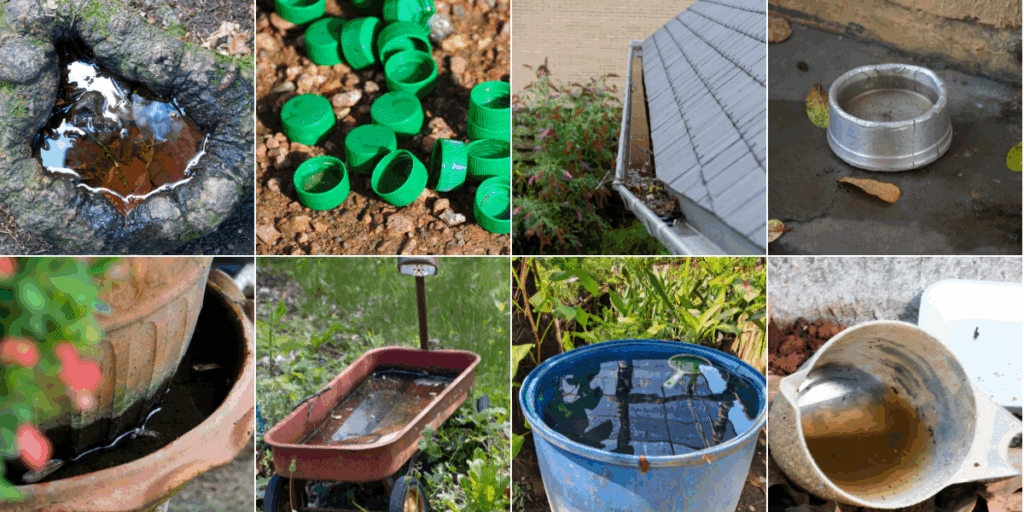
Prevention is key to controlling mosquito populations, and the most direct method of prevention is identifying and eliminating mosquito breeding sites, a process referred to as source reduction.
While all mosquitoes breed in water, they utilize a wide range of breeding sites, with some species preferring specific habitats. Large, permanent or semi-permanent sources like marshes and floodplains cannot be truly eliminated, but many other sources can be.
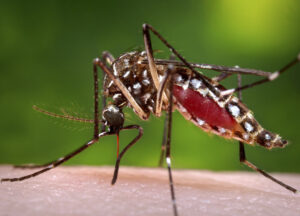
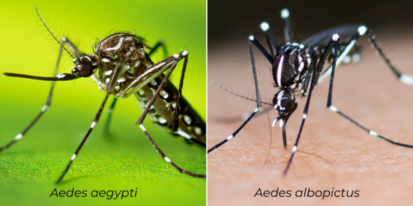
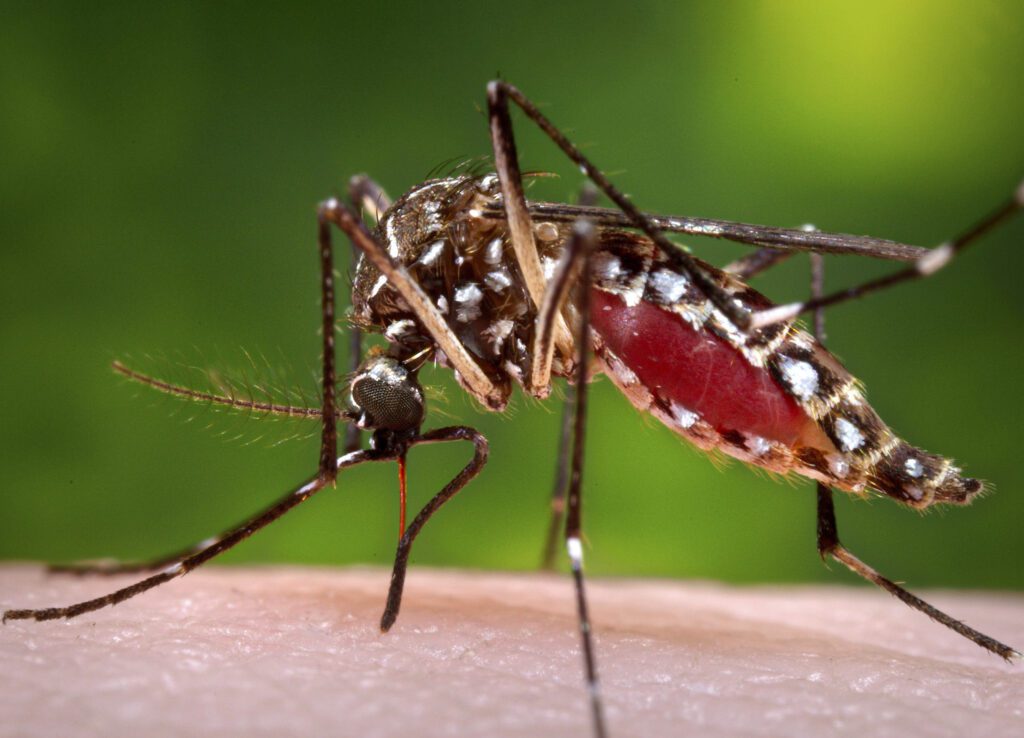
Container mosquitoes like Aedes aegypti and Aedes albopictus take advantage of discarded containers such as buckets, bottle caps, and tires. These containers, although small, provide an ideal habitat once they fill with rainwater. Moreover, these two species are medically important due to the number of diseases they are capable of transmitting.
Poor drainage can create another common and preventable breeding site for mosquitoes. This can occur in different places, including leaf-clogged gutters on homes and buildings, clogged storm drains, and improperly drained landscaping on golf courses or other outdoor areas. Property managers and homeowners can utilize smart landscaping techniques to promote proper drainage and maintain water features to help prevent mosquitoes from breeding in standing water resources.
3. Mosquito Larvicide Applications
An effective way to limit adult mosquito populations is to eliminate existing larvae. This can be accomplished with larvicides, substances specifically designed to target and kill mosquito larvae before they develop into adults. Both chemical and biological larvicides are available, with biological controls being used first when and where possible.
Using Biological and Chemical Larvicides to Target Mosquitoes
Biological control options include introducing Gambusia affinis (the mosquitofish), which feeds on mosquito larvae, or introducing the bacterial agents Bacillus thuringiensis var israelensis (Bti) and Bacillus sphaericus (Bs), which are available in liquid, granular, and time-release applications. These options are able to control larvae populations with limited environmental impact and potential for developing insecticide resistance in the target populations.
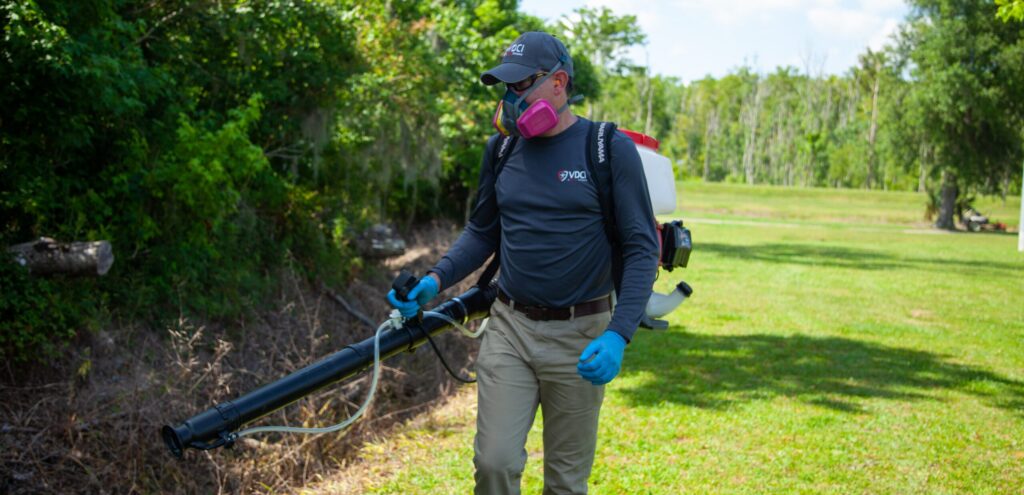
In some cases, biological controls are not feasible, and chemical larvicides must be used. Methoprene, an insect growth regulator (IGR), works by disrupting the growth of mosquito larvae and preventing them from developing to adulthood as they normally would. Chemical controls can be applied on foot using backpack sprayers or applied directly to water sources by hand. Aerial application over large areas or difficult terrain is also possible using airplanes or drones.
How Integrated Mosquito Management Helps Reduce Risk
As we have seen, Integrated Mosquito Management (IMM) relies on a foundation of several techniques that precede the spraying of insecticides. Surveillance, source reduction, and larviciding are all major tools that mosquito control professionals rely on to do their work in a highly targeted and considered way. This allows them to use chemical applications only when doing so is truly and demonstrably necessary.

Contact Our Experts
Complete the form below or call us at 800-413-4445 to speak to an expert about your mosquito management needs.
 Since 1992, Vector Disease Control International (VDCI) has taken pride in providing municipalities, mosquito abatement districts, industrial sites, planned communities, homeowners associations, and golf courses with the tools they need to run effective mosquito control programs. We are determined to protect the public health of the communities in which we operate. Our mosquito control professionals have over 100 years of combined experience in the field of public health, specifically vector disease control. We strive to provide the most effective and scientifically sound mosquito surveillance and control programs possible based on an Integrated Mosquito Management approach recommended by the American Mosquito Control Association (AMCA) and Centers for Disease Control and Prevention (CDC). VDCI is the only company in the country that can manage all aspects of an integrated mosquito management program, from surveillance to disease testing to aerial application in emergency situations.