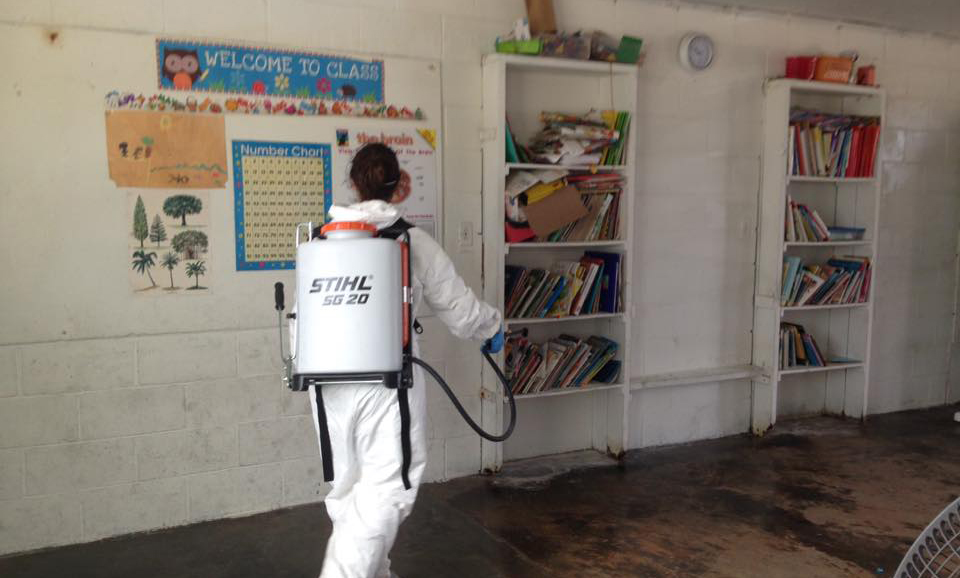
What Can You Expect After a Major Storm – Mosquito Edition

Mosquito management

Rainstorms, floods, and hurricanes not only cripple infrastructure, they also result in excess moisture and standing water causing mosquito populations to increase aggressively. Read about the mosquito problems that you can except after a major storm and how VDCI can help communities reduce associated risks.

Continue reading

Anatomy of an Aerial Mosquito Application

Utilizing Planes to Control Mosquito Populations

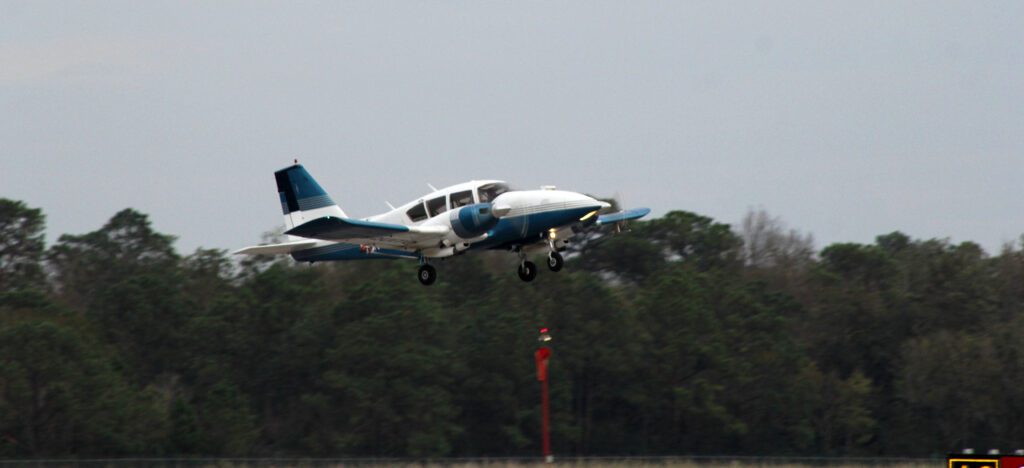
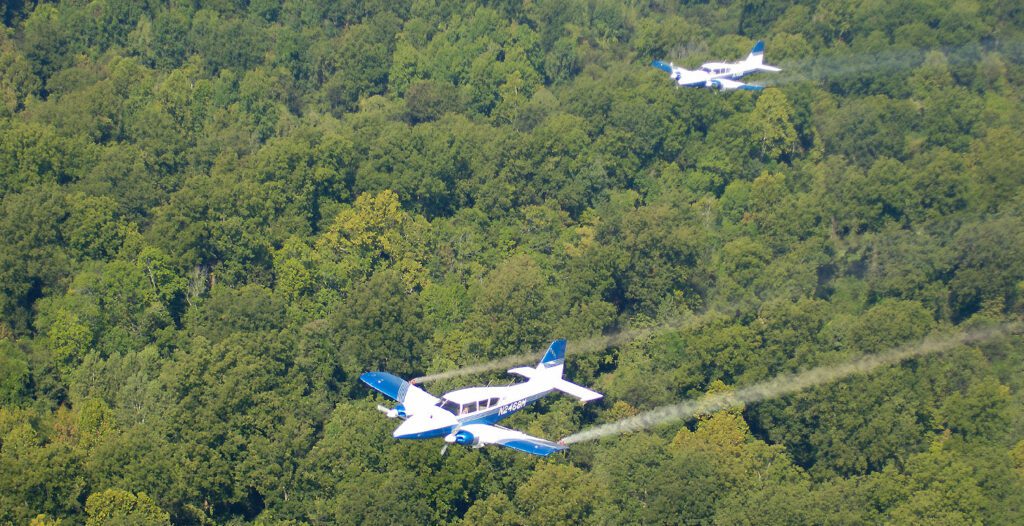
Vector Disease Control International (VDCI) is proud to own the largest fleet of aircraft in the world dedicated specifically to mosquito management. Aerial applications can be an important component of an integrated mosquito management (IMM) program. Current events, such as the threat of Zika virus (2016), multiple positive West Nile mosquito traps reported, and natural disasters where severe flooding occurs, have created awareness about mosquito habitats that can sometimes be difficult or too large to treat on the ground. 

Therefore, having the ability to utilize aircraft can be an effective complement to ground-based activities. Aerial applications may be the only way to break the mosquito breeding cycle in emergency response situations or when mosquito populations are abnormally high.

plane taking off

6 Steps Required To Conduct Aerial Mosquito Control

Conducting these missions for municipalitiesmosquito abatement districts, military bases, and several other communities where residential properties must be considered, is a highly scientific and advanced process. We will discuss some of the steps required to conduct an aerial application for the control of mosquitoes.

1. Determine the Target Species

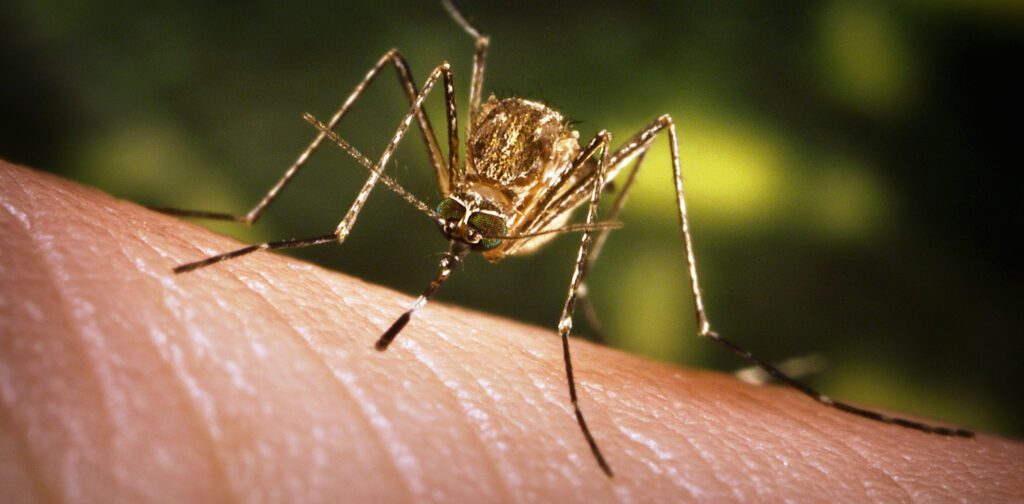
Like other aspects of an IMM program, aerial application must be justified by surveillance of mosquito populations. Surveillance allows us to understand not only the number of mosquitoes present but also the distribution of species in a given area. Culex mosquitoes fly at certain times of night (depending on the geography, temperature, and daylight) and are susceptible to certain types of products. An Anopheles mosquito can behave quite differently and might require a different product or application rate. Therefore, knowing the target species allows the manager and applicator to understand which product should be used, at what rate it should be applied, and during what time the application should be made.
2. Low-Level Waiver, Congested Area Plan, and Regulatory Thresholds

Before an aerial mosquito management mission can begin, the applicator must receive a low-level waiver from the FAA and a Congested Area Plan must be approved for the actual location of the impending aerial application. The FAA prohibits flying over congested areas at low altitudes and aerial mosquito management missions are typically performed at 300 feet above the ground. An applicator must also be sure that National Pollutant Discharge Elimination System (NPDES) permit thresholds have been met in order to justify an aerial application. The most common method to meet such thresholds is simply surveillance using standard trapping techniques. If indeed those thresholds have been met, the public must be notified of the upcoming aerial application. Finally, pilots file a Notice to Airmen (NOTAM). This filing alerts other pilots about the presence of a low-flying aircraft and helps ensure the safety of the application crew.

3. Calibration of Spray Equipment

Calibrating the aircraft’s spray equipment is the law as well as essential for a safe and effective application. Calibration ensures proper flow rates and the application of product to the target area. In addition to flow rates, the second component of calibration is ensuring the correct droplet size. Droplets that are too large will fall to the ground and not kill any mosquitoes, while droplets that are too small will either float away or not harm the mosquito (and perhaps even foster resistance). So it is imperative to have just the right size droplet.  Below lists the three most critical pieces of equipment, related to calibration and accurate product deposition, that should be checked prior to each application.

AIMMS Unit: A weather probe that takes real-time weather data and feeds it to the aircraft’s GPS unit, thereby automatically directing the pilot where to fly to ensure a successful application

Micronairs: Rotary atomizer that ensures the proper droplet size is being produced

GPS Unit: Critical to telling pilots where to fly to apply product in the targeted application zone

4. Pre Fly the Application Zone

Aerial application is performed at night when mosquitoes are flying. Unfortunately, flying at low altitudes at night can be dangerous if the proper precautions are not taken. During the daytime, each crew should fly the application zone, noting any potential obstacles and recording them in the aircraft’s GPS unit. In the event that these obstacles are not properly lighted, the GPS unit will alert the crew of the presence of the obstacle during the application mission.

5. Conduct the Mission

After all of the above has been completed, an aerial mosquito management mission can commence. The aircraft is loaded with the product to be used and the crew performs the application.
6. Download GPS Data and Produce Application Maps

Once the spray system has been rinsed, and the aircraft inspected after the mission, the crew should download the GPS data and send it to a GIS professional. Once the GIS professional receives the information, an application map is produced and delivered to the manager of the Integrated Mosquito Management program.

The aerial application can be a critical component of an IMM program, particularly when disease transmission has been identified as a risk to public health. Many, many steps must be taken before an airplane is in the air conducting the application. Preparation, technology, and a skilled pilot are all critical to ensuring a safe and effective aerial mosquito management mission.

Contact Us to Learn More About Effective Mosquito Management Strategies:

VDCI_Logo_squareSince 1992, Vector Disease Control International (VDCI) has taken pride in providing municipalities, mosquito abatement districts, industrial sites, planned communities, homeowners associations, and golf courses with the tools they need to run effective mosquito control programs. We are determined to protect the public health of the communities in which we operate. Our mosquito control professionals have over 100 years of combined experience in the field of public health, specifically vector disease control. We strive to provide the most effective and scientifically sound mosquito surveillance and control programs possible based on an Integrated Mosquito Management approach recommended by the American Mosquito Control Association (AMCA) and Centers for Disease Control and Prevention (CDC). VDCI is the only company in the country that can manage all aspects of an integrated mosquito management program, from surveillance to disease testing to aerial application in emergency situations.

VDCI Assists CDC with Zika Virus in U.S. Territories

Protecting Public Health Worldwide

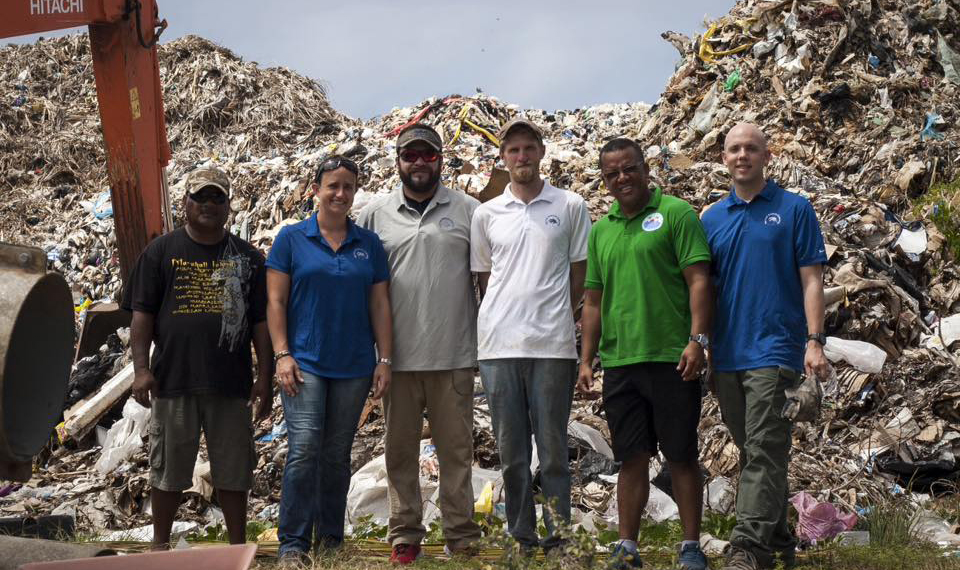
VDCI began a contract with the Centers for Disease Control and Prevention (CDC) in April of 2016. The goal of the partnership is to assist U.S. Territories with public health efforts by defending the population against the threat of Zika. As part of the partnership, VDCI team members have been active in the U.S. Virgin Islands, the Marshall Islands, and Guam

Dr. Broox Boze, Operations Manager in Northern Colorado, discusses her work while in the Marshall Islands.

“The support from several public agencies as well as residents was immediate. Our team was able to review a course of action and quickly perform treatment applications. Residents prepared their homes for treatments in as little as 24 hours and churches offered to postpone services to help keep us on schedule. It was amazing to see the sense of urgency and duty illustrated towards keeping the island nation’s residents safe.”

marshall-islands-zika-response

The country has seen its residents fall ill to vector-borne diseases in the past. In 2011, a large dengue outbreak resulted in 867 laboratory-positive cases recorded. Last year, the islands reported over a thousand cases of chikungunya. Zika virus is the newest concern in the Marshall Islands, with the first local case recorded in February of this year. The tropical nation provides an ideal climate for the mosquito species Aedes ageypti and Aedes albopictus, with both species a concern in the fight against Zika.

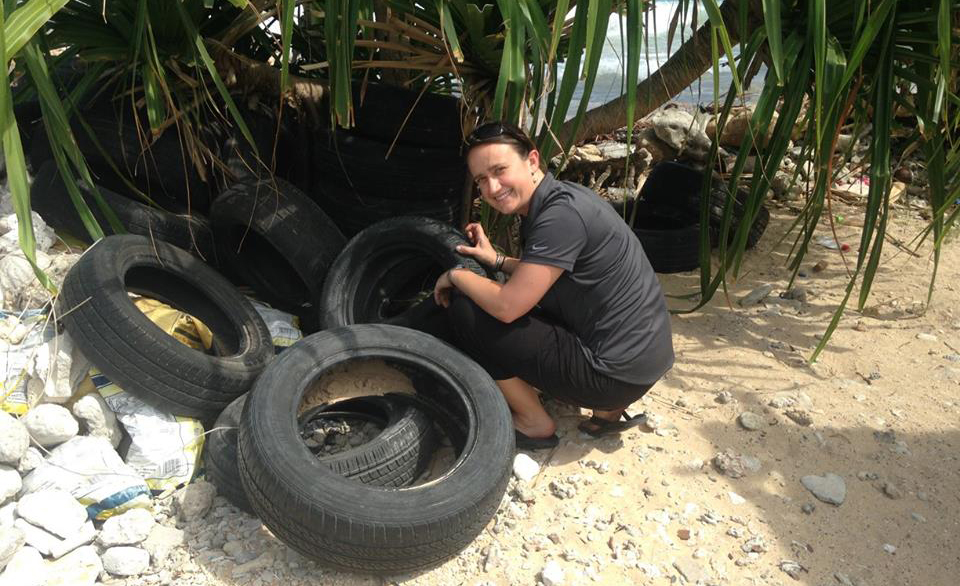
Dr. Boze highlighted the need to focus on the habitats of the Aedes ageypti and Aedes albopictus, saying, “The species are container breeding, which is why we often discover larval habitats around homes as well as areas with large amounts of discarded waste. On this project, we found larvae in a range of receptacles, from coconut shells to car tires. Our team applied outdoor residual larvicide, with more time dedicated to areas of  high-density trash. An additional focus was provided to homes of pregnant women, schools, and churches.”

Along with treatment applications, public relations and education are an important part of VDCI’s community involvement. With a belief that an educated public is extremely beneficial to the successful implementation of an integrated mosquito management program. Dr. Boze reinforced this belief. “Our team provided Ministry of Health and Public Works employees with education in the field and the classroom as well as donated application equipment to aid in further management efforts,” she said, when discussing ways, the company ensured the community was provided with several tools to continue effective mosquito management.

Currently, another integrated mosquito management program is underway in Guam. The country is preparing for the Festival of the Pacific Arts, held every four years. Guam is the host country for 2016 and will welcome delegations from 27 Island Nations and Territories around the Pacific region. The VDCI and CDC partnership is working hard to ensure that the populations of several U.S. Territories are protected against vector-borne diseases during the large event.

Contact Us to Learn More About Effective Mosquito Management Strategies:

VDCI_Logo_squareSince 1992, Vector Disease Control International (VDCI) has taken pride in providing municipalities, mosquito abatement districts, industrial sites, planned communities, homeowners associations, and golf courses with the tools they need to run effective mosquito control programs. We are determined to protect the public health of the communities in which we operate. Our mosquito control professionals have over 100 years of combined experience in the field of public health, specifically vector disease control. We strive to provide the most effective and scientifically sound mosquito surveillance and control programs possible based on an Integrated Mosquito Management approach recommended by the American Mosquito Control Association (AMCA) and Centers for Disease Control and Prevention (CDC). VDCI is the only company in the country that can manage all aspects of an integrated mosquito management program, from surveillance to disease testing to aerial application in emergency situations.