
The Battle Against Mosquitoes: What Does “Winning” Look Like?

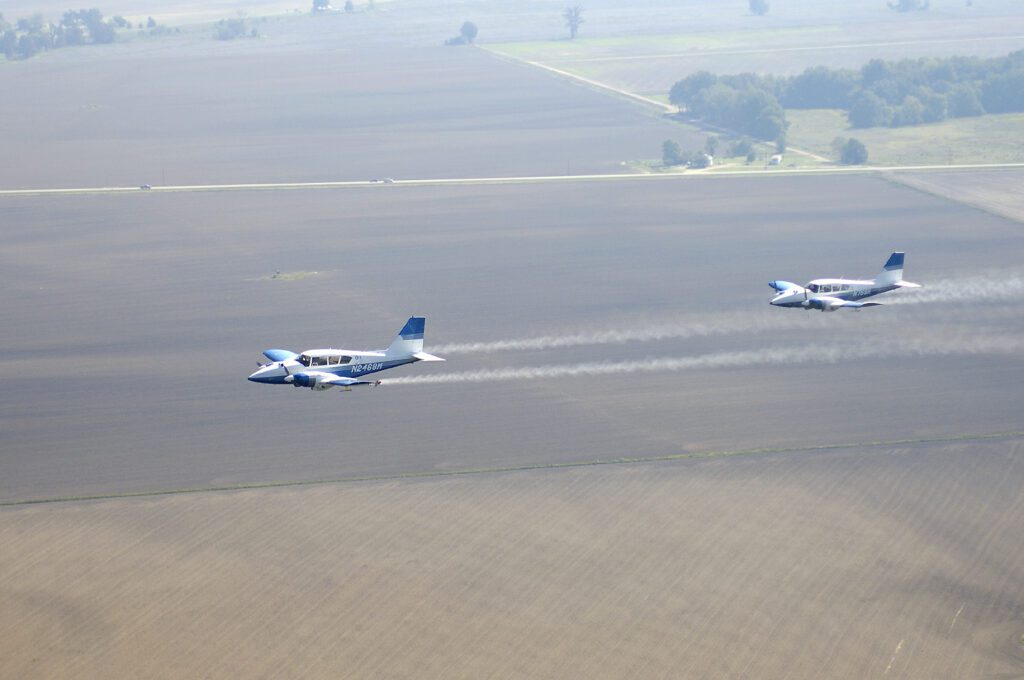
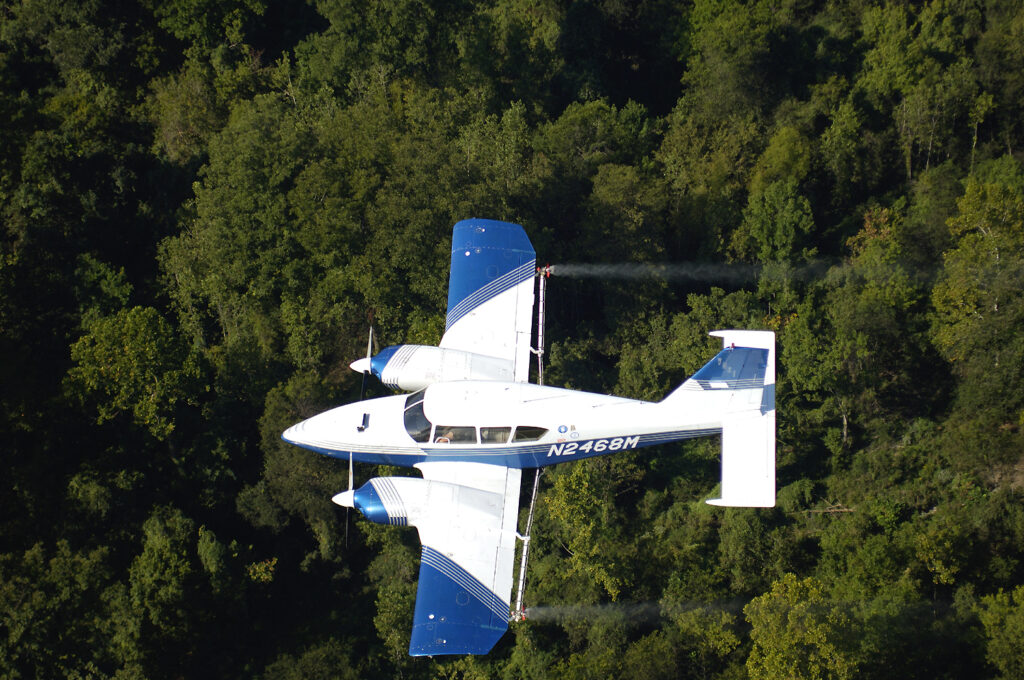
larviciding-plane-in-air-applying-aerial-treatment

Mosquitoes Are Here to Stay—So What Does Success Look Like?

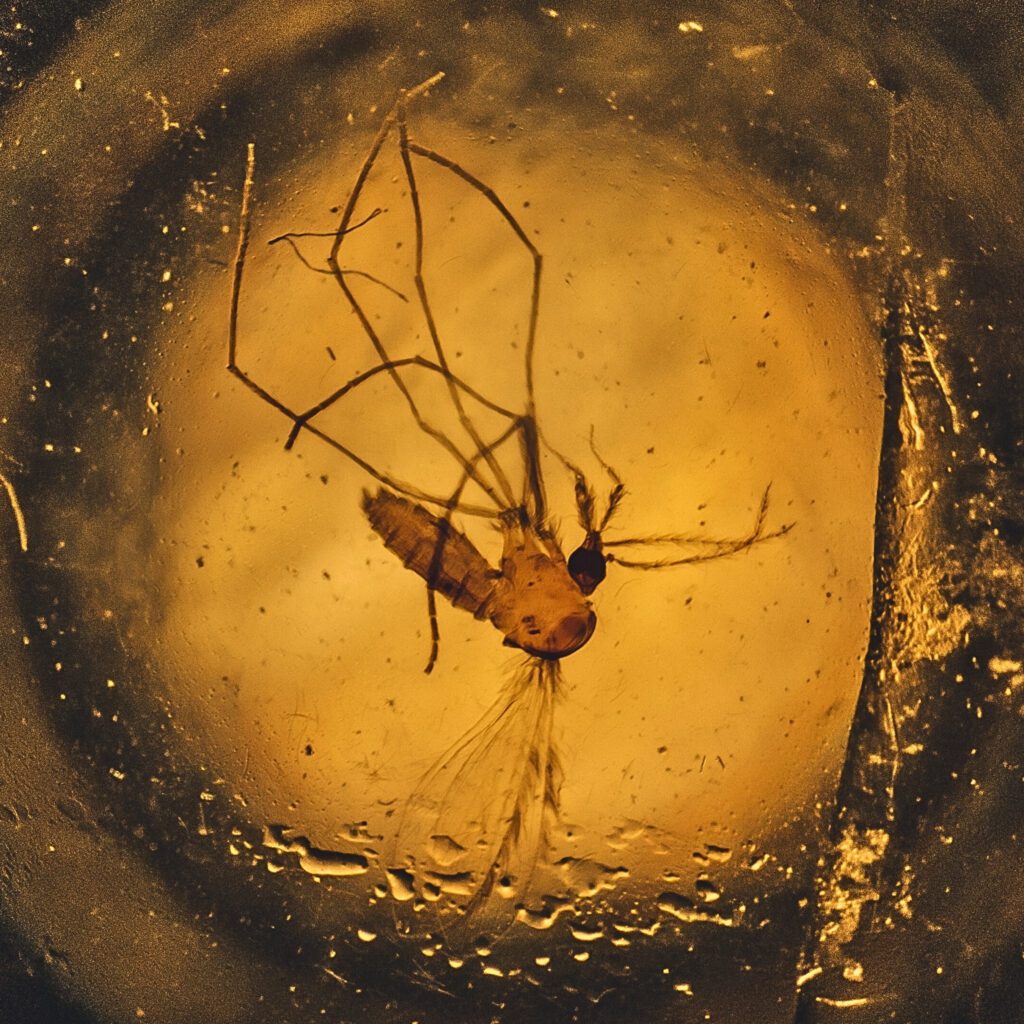
Mosquitoes have existed for over 100 million years, surviving through the Jurassic Period, the Ice Age, and numerous environmental extremes thanks to their remarkable adaptability. While it’s appealing to imagine a world free from itchy mosquito bites, completely eliminating mosquitoes is an unrealistic goal. “Winning” the battle isn’t about eliminating all mosquitoes; it’s about protecting public health by reducing the mosquito population to a manageable level, thereby reducing the spread of vector-borne diseases. Historical precedent suggests this is only possible through a coordinated, integrated management approach.

Ancient Mosquito Preserved in Amber

A Historic Example of Targeted Mosquito Control

For example, in the 1950s, Anopheles gambiae, a vector of malaria, was accidentally imported from Africa to Brazil, leading to thousands of deaths. In response, Brazil launched a highly organized campaign to eliminate this invasive species. This involved daily surveys, mapping infestations, and suffocating larvae by applying oil to their preferred breeding sites—puddles, irrigated fields, and even water that collected in cattle hoof prints. Because Anopheles gambiae feeds exclusively on humans and stays close to its breeding areas, teams could systematically move from the outskirts of communities inward. This approach successfully eliminated the Anopheles gambiae from Brazil and stands as one of the most historically successful mosquito elimination programs ever instituted.

Why Short-Term Mosquito Management Programs Fall Short

Similar strategies were used in the United States in the 1960s to control Aedes aegypti, the primary vector of yellow fever. Programs combined careful monitoring, habitat management, and door-to-door community education. Residents were encouraged to eliminate standing water from buckets, tires, birdbaths, and other small containers that serve as Aedes aegypti breeding grounds. These efforts temporarily reduced their populations to near-zero numbers in some areas. Unfortunately, when the program ended in the early 1970s due to funding and commitment challenges, this mosquito species rebounded in full force.

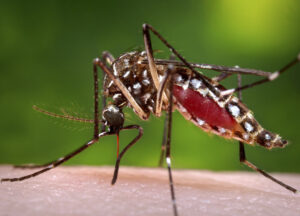
Clsoe-up-mosquito
dumping-standing-water

These examples illustrate that mosquito population dynamics are always evolving, particularly due to increased global trade, travel,  insecticide resistance, and climate change, which are creating new areas and conditions for mosquitoes to spread. Today’s mosquito management programs build on the lessons and successes of past initiatives. They are scientifically precise, carefully tailored, and designed to achieve maximum impact while minimizing environmental effects. 

Targeting Mosquitoes at Every Life Stage

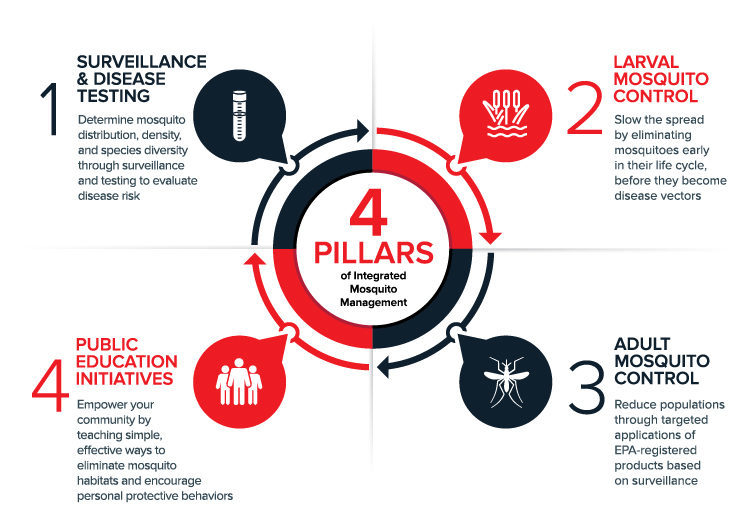
VDCI’s Integrated Mosquito Management (IMM) programs are defined by four pillars: surveillance and disease testing, larval control, adult control, and public education. By leveraging the latest technologies and targeting mosquitoes at every stage of their life cycle, these programs can help reduce mosquito populations and the risk of disease transmission. Nonetheless, true success depends on the support and cooperation of the local community, particularly in removing standing water where many urban mosquitoes breed.

4 pillars of integrated mosquito management plans infographic

The Cost of Letting Mosquito Control Lapse

Historical examples prove that when mosquito management is prioritized, populations can be effectively managed. However, they also demonstrate that if efforts lapse due to funding gaps, political changes, or public disengagement, decades of progress can be quickly reversed. Government leaders and public health officials must recognize that the battle against mosquitoes can never be truly won. It is a continuous effort that requires a sustained investment in time, resources, and community education.

YouTube player

Contact Our Experts

Complete the form below or call us at 800-413-4445 to speak to an expert about your mosquito management needs.

VDCI_Logo_squareSince 1992, Vector Disease Control International (VDCI) has taken pride in providing municipalities, mosquito abatement districts, industrial sites, planned communities, homeowners associations, and golf courses with the tools they need to run effective mosquito control programs. We are determined to protect the public health of the communities in which we operate. Our mosquito control professionals have over 100 years of combined experience in the field of public health, specifically vector disease control. We strive to provide the most effective and scientifically sound mosquito surveillance and control programs possible based on an Integrated Mosquito Management approach recommended by the American Mosquito Control Association (AMCA) and Centers for Disease Control and Prevention (CDC). VDCI is the only company in the country that can manage all aspects of an integrated mosquito management program, from surveillance to disease testing to aerial application in emergency situations.


How Urbanization Impacts the Mosquito Population

What Communities Can Do to Control Mosquito Breeding in Urban Areas

Urban development changes the natural landscape, and while the effects on native plants and wildlife are often discussed, these conversations rarely include mosquitoes. It’s important to understand that whenever environmental conditions shift, mosquito dynamics can also change. And when mosquito dynamics change, new public health risks may emerge.

Hundreds of mosquito species can be found around the globe, each of which are adapted to specific ecological niches. Some, such as “tree-hole” mosquitoes, are typically found in undisturbed, forested areas where they rely on wildlife for blood meals. Others thrive in well-populated urban areas. These mosquitoes breed in standing water that collects in small artificial containers like plant saucers, old tires, outdoor pet bowls, clogged gutters, buckets, and even bottle caps.

mosquito-breeding-sites-public-education-awareness

It’s Not About More Mosquitoes — Just Different Ones

It’s natural to assume that urban development causes mosquitoes to move from cities into rural areas, or vice versa. In reality, urbanization tends to reduce the presence of mosquitoes adapted to rural and sylvatic (forests) environments while creating ideal conditions for species that thrive near humans. This shift doesn’t necessarily result in more mosquitoes overall, but it does increase populations of species that are likely to bite humans, causing viruses to spread more widely and rapidly.

Here are some mosquito species and diseases city residents should be aware of:

Culex quinquefasciatus is the primary vector of the most widespread disease in the country, West Nile virus (WNv). Culex quinquefasciatus can also serve as a secondary vector for Oropouche virus (OROV). OROV has been primarily isolated in South American countries like Brazil and Peru since the 1960s, but has spread significantly in a short period. Since 2024, over 120 cases have been identified in the U.S., likely due to travel-related exposure1.

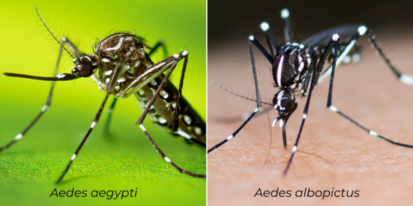
Other urban mosquitoes, including Aedes aegypti and Aedes albopictus, feed primarily on humans. They search for bloodmeals during the day when humans are most active, and are highly efficient vectors of diseases such as dengue, Zika, and chikungunya.

The 4Ds: Protect Yourself from Dangerous Mosquitoes

Whether you live in an urban or rural area, it’s important to protect yourself from biting mosquitoes by practicing the “4 D’s.”

DEFEND

   Use an EPA-approved repellent

   Protect pets with heartworm prevention

DRESS

     Wear light-colored, loose-fitting clothes and closed-toe shoes.

     Apply repellent to exposed skin on hands, ankles, neck, and face.

DRAIN

     Eliminate mosquito breeding sites by emptying standing water in buckets, birdbaths, tarps, plant saucers, and other containers.

     Ensure gutters, flower pots, rain barrels, and stormwater systems drain properly.

DUSK & DAWN

     Limit outdoor activity when mosquitoes are most active - Urban mosquitoes typically feed at dawn and dusk and rest in shaded, cool areas during the day.

Planning Ahead to Protect Public Health

Personal protection goes hand in hand with an Integrated Mosquito Management (IMM) program. These programs are designed to monitor changes in mosquito populations, identify new disease threats, and initiate targeted solutions. Surveillance and disease testing, larval and adult mosquito control, and public education are core pillars of an effective IMM program. Every city and region is different, which is why IMM programs are tailored based on goals, budgets, risk levels, and many other factors.

In many areas, urban development is only accelerating, but with proper planning, communities can stay ahead of mosquito-related threats as landscapes and populations change.

1 Why Is Oropouche Spreading so Fast? | Medscape, published May 19, 2025

YouTube player

Contact Our Experts

Complete the form below or call us at 800-413-4445 to speak to an expert about your mosquito management needs.

VDCI_Logo_squareSince 1992, Vector Disease Control International (VDCI) has taken pride in providing municipalities, mosquito abatement districts, industrial sites, planned communities, homeowners associations, and golf courses with the tools they need to run effective mosquito control programs. We are determined to protect the public health of the communities in which we operate. Our mosquito control professionals have over 100 years of combined experience in the field of public health, specifically vector disease control. We strive to provide the most effective and scientifically sound mosquito surveillance and control programs possible based on an Integrated Mosquito Management approach recommended by the American Mosquito Control Association (AMCA) and Centers for Disease Control and Prevention (CDC). VDCI is the only company in the country that can manage all aspects of an integrated mosquito management program, from surveillance to disease testing to aerial application in emergency situations.
Top 6 Mosquito Mangement Articles of 2024

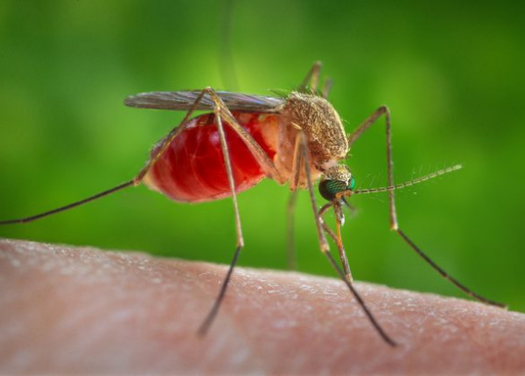
Culex quinquefasciatus

Reflecting on Mosquito Control Best Practices

Mosquitoes continue to be one of the biggest threats to public health. To effectively manage nuisance and potential disease-carrying mosquitoes, it’s important to understand these pests. From where they breed to which mosquito species are located in your community, having this knowledge can help drive more effective mosquito management programs. That’s why, at VDCI, we produce educational articles to help government leaders and citizens understand the fundamentals of mosquito control so that they can make informed decisions regarding the community’s mosquito management program.

From exploring mosquito surveillance to discussing mosquito emergency response strategies, our top articles of the year have provided valuable insights into how we can come together to protect ourselves and our communities from the threats mosquitoes pose. 

Here’s a roundup of our top six articles that have captured the attention of readers:

1. 4 Ways Government Leaders Can Help Protect Their Citizens from Mosquitoes

There are four ways government leaders can safeguard citizens from potential mosquito threats and nuisance populations. From surveillance to public education, an Integrated Mosquito Management (IMM) program can enhance how local leaders protect public health. Dive into this article to learn about the four pivotal strategies of an IMM program and how they can help create safer outdoor spaces for citizens.

2. Fighting Insecticide-Resistant Mosquitoes: How You Can Help

In the fight against reducing mosquito-borne diseases, the growing challenge of insecticide resistance is threatening existing control strategies. In this blog, our experts explain how mosquitoes become resistant to insecticides and discuss how surveillance, data collection, and regular insecticide resistance testing, and public education can help preserve the efficacy of insecticides.

3. The Two Types of Mosquito Emergency Response Planning

Emergency response planning is critical in managing mosquito outbreaks, and this article breaks down the two primary types: those influenced by weather conditions and those characterized by heightened risks of disease transmission. Dive into this article to learn why proactive emergency response planning is critical for the well-being of citizens and how to plan for either type of mosquito-driven emergency.

4. Is Aerial Mosquito Spraying Right for Your Community?

Aerial mosquito spraying is a powerful and safe tool that can be used to control nuisance and potentially disease-carrying mosquitoes. Mosquito control aircraft can be utilized after a major storm or to help prevent a disease outbreak, making aerial applications an effective tool in mosquito management programs or emergency response plans. Learn about when aerial applications can be used to control mosquitoes and the factors we consider before, during, and after aerial mosquito spraying to ensure the safety and effectiveness of each application.

5. Reduce Mosquito-Borne Diseases with Disease Testing

Early detection and monitoring of mosquito-borne diseases is essential for protecting public health and implementing swift control measures. In this popular article, our experts explain how mosquito-borne disease testing works, share testing best practices, and discuss why regular surveillance and disease testing is a vital part of an Integrated Mosquito Management program. Discover how you can help mitigate the transmission of mosquito-borne diseases like West Nile virus (WNv), Eastern equine encephalitis (EEE), and dengue fever through proactive mosquito surveillance and disease testing.

6. How Professional Mosquito Trapping Works

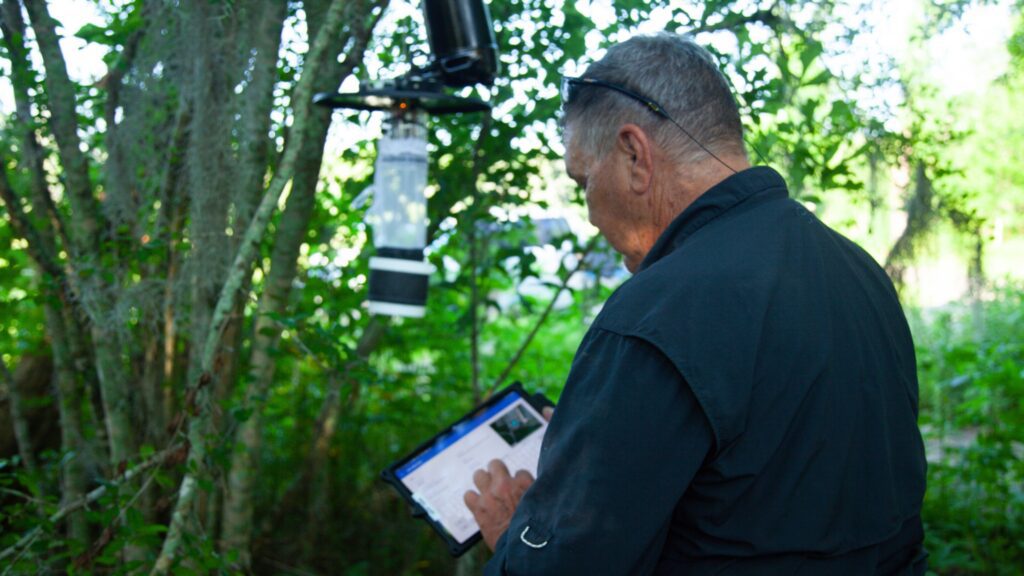
Professional mosquito trapping is utilized to gain a better understanding of the local adult mosquito population and to determine if there is a potential disease threat. Professional mosquito traps are important tools to determine the species and size of the mosquito population in a specific area. Explore this popular article to learn about the different types of mosquito surveillance traps and how the data collected from trapping helps guide mosquito management decisions.

We hope these articles have not only informed and educated government leaders and citizens, but also inspired action against the pervasive threat of mosquitoes. As we continue to combat these tiny yet dangerous pests, staying informed and proactive remains our best defense. We hope these articles have empowered you with the knowledge and tools needed to contribute to a healthier, mosquito-free future.

Contact Our Experts

Complete the form below or call us at 800-413-4445 to speak to an expert about your mosquito management needs.

VDCI_Logo_squareSince 1992, Vector Disease Control International (VDCI) has taken pride in providing municipalities, mosquito abatement districts, industrial sites, planned communities, homeowners associations, and golf courses with the tools they need to run effective mosquito control programs. We are determined to protect the public health of the communities in which we operate. Our mosquito control professionals have over 100 years of combined experience in the field of public health, specifically vector disease control. We strive to provide the most effective and scientifically sound mosquito surveillance and control programs possible based on an Integrated Mosquito Management approach recommended by the American Mosquito Control Association (AMCA) and Centers for Disease Control and Prevention (CDC). VDCI is the only company in the country that can manage all aspects of an integrated mosquito management program, from surveillance to disease testing to aerial application in emergency situations.
How Much Does an Integrated Mosquito Management Plan Cost?

mosquito traps

Planning for Mosquito Control Services

Cities, municipalities, and other government agencies recognize the paramount importance of mosquito management. This diligence is necessary not only to prevent nuisance mosquitoes from disrupting outdoor community events, recreation, and tourism, but also to help limit the transmission of harmful diseases such as West Nile Virus, dengue, and Eastern equine encephalitis. When evaluating an Integrated Mosquito Management (IMM) program, leaders and stakeholders often seek detailed information about the anticipated costs. However, numerous factors shape the pricing of these programs.

Understanding Integrated Mosquito Management

IMM is a multifaceted approach that incorporates various control methods to target mosquitoes at all stages of their life cycle and minimize the development of insecticide resistance. These methods typically include surveillance and disease testing, larviciding (targeting mosquito larvae), adulticiding (targeting adult mosquitoes), and public education. The data gathered through mosquito surveillance and lab testing is utilized to help drive decision-making on larviciding and adulticiding applications to ensure they are conducted effectively and in the most environmentally responsible way.

One of the fundamental principles of IMM is its adaptability to local conditions and requirements. Municipalities often work closely with mosquito control experts to customize programs according to their specific needs and budget constraints. This tailored process takes into account factors such as the size of the area to be covered, the prevalence of mosquito-borne diseases, the necessary resources such as trucks and traps, the number of professionals required to execute the program efficiently, and several other considerations:

Size of the Area

aerial-mosquito-control

The size of the target area directly influences the resources and manpower required for mosquito control efforts. Larger areas may require more extensive surveillance networks, increased larviciding and adulticiding efforts, and additional personnel, all of which contribute to the overall program cost. In addition, the proximity of the target area to a mosquito control service hub affects logistical considerations such as transportation costs, fuel expenses, and the availability of resources. Remote areas that require longer travel times may incur higher operational costs.

Type of Control Methods

truck spraying adulticide

Different municipalities may require different mosquito control methods or combinations, based on their unique circumstances. For example, some areas may prioritize larviciding over adulticiding, while others may opt for aerial spraying during peak mosquito seasons. Municipalities may also have preferences for specific types of insecticides based on factors such as efficacy, environmental impact, and cost, which can significantly affect the price of a program.

Balancing Scientific Efficacy with Budget Constraints

While scientific efficacy is paramount in mosquito control efforts, budgetary constraints often play a significant role in decision-making. Often, municipalities must strike a balance between implementing effective control measures and staying within budgetary limits. This balancing act requires careful consideration of costs, prioritization of control methods, and strategically setting action thresholds to optimize resources while preventing the development of insecticide resistance.

Seasonal Events and Emergency Response

Mosquito activity varies seasonally and peak activity times require more intensive control efforts. Programs and pricing may need to be adjusted throughout the year to account for fluctuations in mosquito populations. While standard IMM plans cover routine mosquito control activities, municipalities may also need to respond to emergencies such as disease outbreaks or natural disasters. Emergency response efforts require additional resources and may incur higher costs due to the scale and urgency of the situation. Similarly, municipalities may choose to temporarily increase mosquito control measures to ensure public safety ahead of special events such as outdoor festivals.

Contracts and Pricing Structures

mosquito technicians collaborating

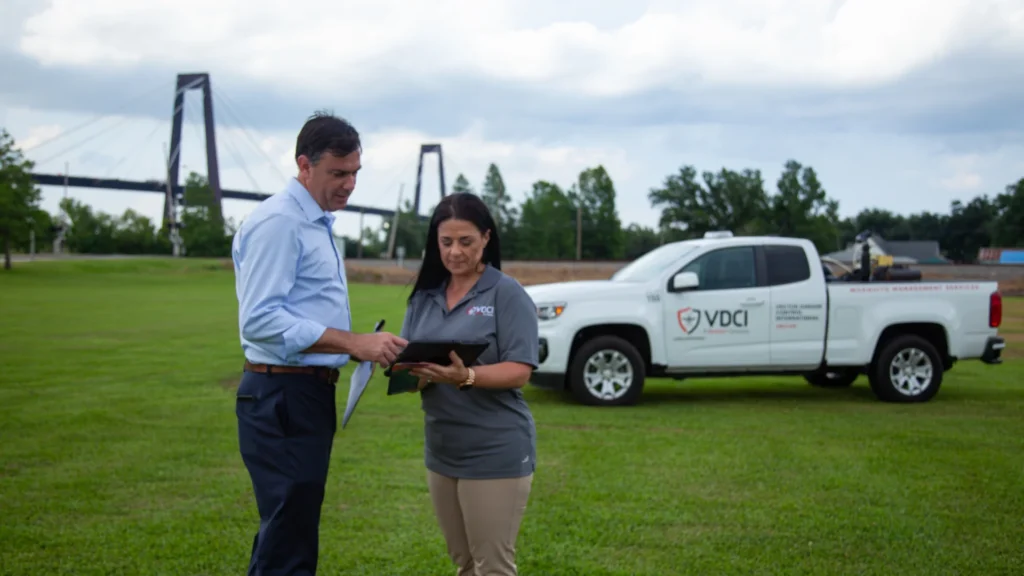
Contracting for IMM services involves a thorough assessment of the municipality’s needs, budget, and desired outcomes. Pricing structures may vary, with some municipalities opting for flat fees, monthly payments, or services based on the frequency of service and the scope of work. Additionally, municipalities may collaborate with neighboring jurisdictions to share costs and resources, further optimizing budget allocations.

IMM programs are valuable for protecting public health and mitigating the risks posed by mosquito-borne diseases, but municipalities must carefully consider these factors and anticipate pricing structures that balance scientific efficacy with any budget constraints that may exist. By investing in effective mosquito control measures, government leaders can better safeguard public health and create safer, more enjoyable environments for their communities.

Contact Our Experts

Complete the form below or call us at 800-413-4445 to speak to an expert about your mosquito management needs.

VDCI_Logo_squareSince 1992, Vector Disease Control International (VDCI) has taken pride in providing municipalities, mosquito abatement districts, industrial sites, planned communities, homeowners associations, and golf courses with the tools they need to run effective mosquito control programs. We are determined to protect the public health of the communities in which we operate. Our mosquito control professionals have over 100 years of combined experience in the field of public health, specifically vector disease control. We strive to provide the most effective and scientifically sound mosquito surveillance and control programs possible based on an Integrated Mosquito Management approach recommended by the American Mosquito Control Association (AMCA) and Centers for Disease Control and Prevention (CDC). VDCI is the only company in the country that can manage all aspects of an integrated mosquito management program, from surveillance to disease testing to aerial application in emergency situations.

What’s Your Community’s Action Threshold? Knowing When to Spray for Mosquitoes

truck spraying mosquito adulticide

Know When to Spray for Mosquitoes with Action Thresholds

There is no one-size-fits-all approach to responsibly and effectively managing mosquitoes. Every jurisdiction faces unique challenges that may be influenced by community desires, budgetary constraints, prevalent mosquito species, disease risks, and local environmental factors. To optimally address these challenges and safeguard public health while minimizing the risk of insecticide resistance, professionals rely on action thresholds.

Action thresholds serve as critical benchmarks in an Integrated Mosquito Management (IMM) program. They represent the tipping point at which control measures become necessary to reduce the potential of mosquito-borne diseases, nuisance mosquito populations, or prevent a particular species from reaching levels that pose a significant risk to public health. Action thresholds are not arbitrary; they are meticulously tailored to the specific goals and characteristics of each jurisdiction.

What does it take to develop action thresholds?

Developing action thresholds involves a multidisciplinary approach that integrates scientific expertise with local knowledge and community input. Entomologists, government leaders, and public health officials collaborate to assess various factors, such as mosquito abundance, disease prevalence, ecological dynamics, and human population density. Through comprehensive mosquito surveillance, disease monitoring, and data analysis, mosquito experts identify thresholds that signal the need for targeted control interventions.

Aerial Spraying Malcom 8

One of the primary objectives of employing action thresholds is to ensure the judicious and effective deployment of mosquito control products. Over-reliance on insecticides without regard for action thresholds can accelerate the development of insecticide resistance among mosquito populations, causing control measures to lose their effectiveness over time. Applying insecticides only when mosquito populations exceed predetermined thresholds or if a particular species or disease is present can reduce insecticide resistance and prolong the efficacy of available insecticides – with the ultimate goal of limiting the environmental impact. 

Action thresholds also enable authorities to prioritize locations most in need of intervention. By strategically focusing resources on areas where mosquito populations pose the greatest risk to public health, interventions can be more impactful. This facilitates funds, time, and manpower to be utilized more effectively. Moreover, this limits unnecessary insecticide applications, ensuring our actions are environmentally responsible and prudent. 

The Importance of Community Engagement In Mosquito Management

vdci-education-public

Furthermore, action thresholds serve as a valuable tool for community engagement and communication. By transparently communicating the rationale behind mosquito control decisions and their thresholds, authorities can foster trust and cooperation within the community. Empowering residents with this knowledge also encourages participation in preventive measures and promotes a shared responsibility for mosquito control.

Action thresholds play a vital role in effective mosquito management by providing clear guidelines for intervention based on scientific evidence and community-specific factors. By employing targeted interventions only when and where they are needed, authorities can optimize the allocation of resources, limit environmental impacts, and safeguard the health, happiness, and well-being of the public.

Contact Our Experts

Complete the form below or call us at 800-413-4445 to speak to an expert about your mosquito management needs.

VDCI_Logo_squareSince 1992, Vector Disease Control International (VDCI) has taken pride in providing municipalities, mosquito abatement districts, industrial sites, planned communities, homeowners associations, and golf courses with the tools they need to run effective mosquito control programs. We are determined to protect the public health of the communities in which we operate. Our mosquito control professionals have over 100 years of combined experience in the field of public health, specifically vector disease control. We strive to provide the most effective and scientifically sound mosquito surveillance and control programs possible based on an Integrated Mosquito Management approach recommended by the American Mosquito Control Association (AMCA) and Centers for Disease Control and Prevention (CDC). VDCI is the only company in the country that can manage all aspects of an integrated mosquito management program, from surveillance to disease testing to aerial application in emergency situations.

Adult Mosquito Control Best-Practices

Adult Mosquito Control

ULV Mosquito Spraying Explained

Mosquito populations can get out of hand very quickly. Even in small numbers, mosquitoes can endanger communities by spreading infectious diseases like West Nile virus, Zika, and Yellow Fever. Through professional Integrated Mosquito Management (IMM) programs, experts are able to monitor population levels and take action when thresholds are surpassed. Often, this means applying EPA-registered adulticides through ULV spraying to keep mosquitoes in check using industrial mosquito spray techniques. These products are an essential part of an environmentally-friendly Integrated Mosquito Management (IMM) program and offer an effective and low-risk solution to helping manage nuisance mosquito populations. Industrial mosquito spray methods are a key component of environmentally-friendly Integrated Mosquito Management (IMM) programs.

What is ULV Spraying?​

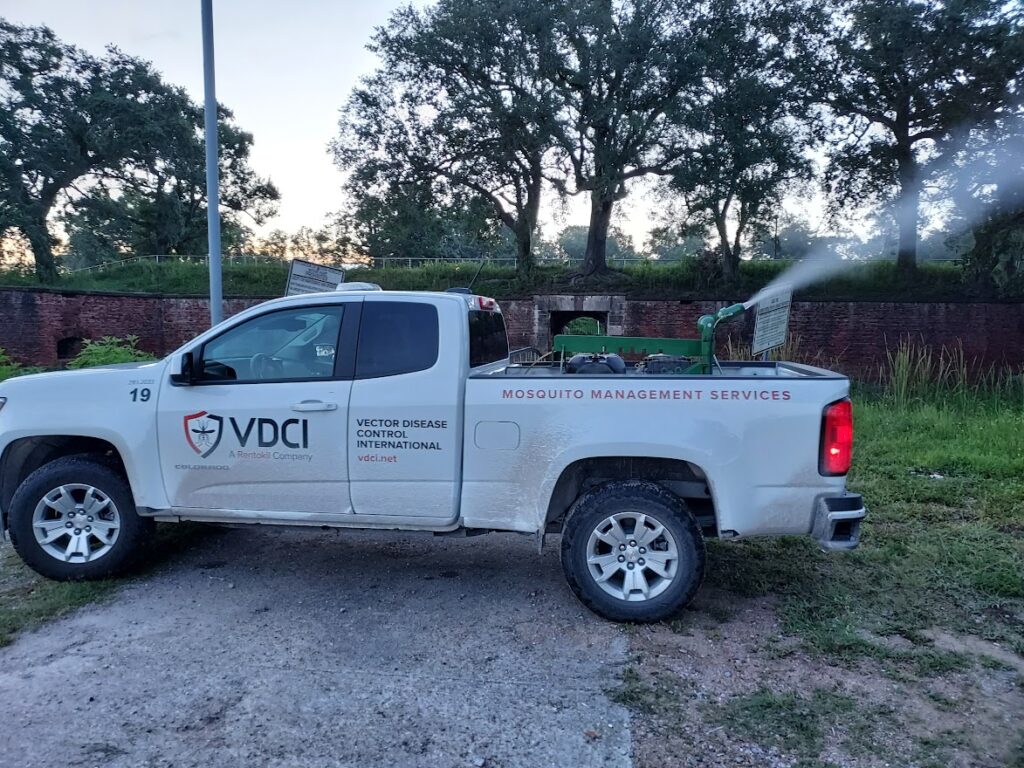
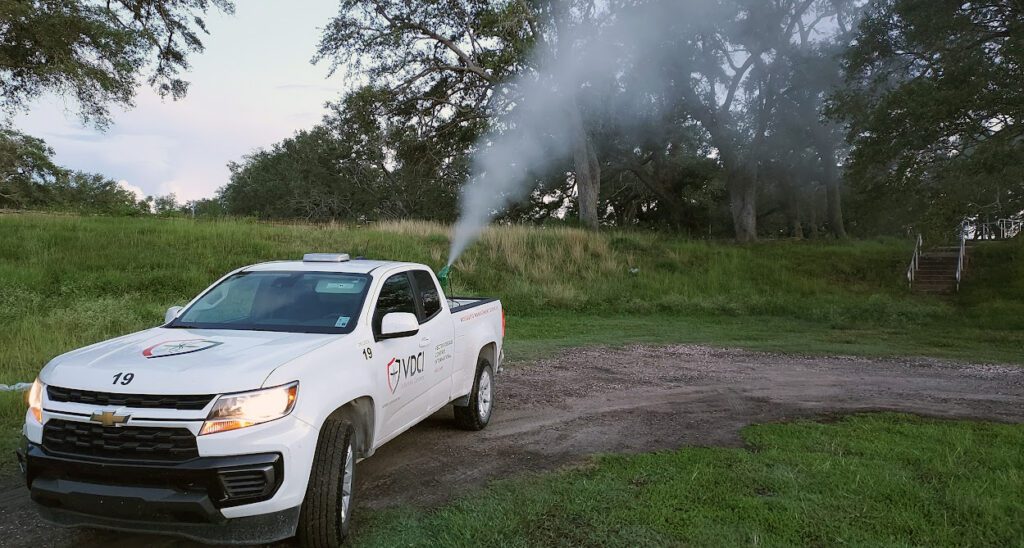
ULV stands for ultra-low volume sprays, a common industrial mosquito spray technique. When applied with ULV equipment via truck, backpack foggers, or plane, adulticides remain suspended in the air as fine aerosol droplets. These droplets kill mosquitoes on contact as they fly through the target area. A primary benefit of ULV sprays is adulticide optimization. Very little product is necessary to treat large areas of land, typically less than one ounce per acre. This industrial mosquito spray method ensures effective coverage with minimal product use.


Are there any risks to using ULV spraying for mosquito control?

Numerous, peer-reviewed, articles indicate that industrial mosquito spray applications, including ULV spraying, do not pose a significant risk to humans or non-target insects.  In one study (Effects of single and multiple applications of mosquito insecticides on non target arthropods, Davis and Peterson, 2008), the researchers determined that “measurable and persistent biological effects on non-target arthropods, exposed to larvicides and adulticides applied via ULV sprayer would be small.   Also in an article published by the CDC (Human Exposure to Mosquito-Control Pesticides — Mississippi, North Carolina, and Virginia, 2005), the researchers measured the pesticide metabolite concentrations in urine of people pre-and post-application.  And it was determined that “ULV application in mosquito control activities did not result in substantial pesticide exposure to humans”.  In contrast, they were able to show an “association between home and/or work application of pesticides and pesticide metabolite concentrations”. In other words, individuals are far more likely to have pesticide exposure from home and work-related uses of pesticides than from ULV mosquito control efforts. 

In another study (A Human-Health Risk Assessment for West Nile Virus and Insecticides Used in Mosquito Management, Peterson et al., 2006), the researchers state, “Results from our risk assessment and the current weight of scientific evidence indicate that human-health risks from residential exposure to mosquito insecticides are low and are not likely to exceed levels of concern. Further, our results indicate that, based on human health criteria, the risks from WNV exceed the risks from exposure to mosquito insecticides.” This work is extremely important, as they were able to determine that the risk of adverse health impacts from contracting WNV is greater than the risk of health impacts from the pesticides used to control WNV vectors.  This is just a small sample of the published scientific literature regarding the potential harmful effects of our mosquito control applications.

These findings reinforce the safety and necessity of industrial mosquito spray efforts in public health applications.

mosquito management services truck spraying adulticide

ULV Spraying as Part of a Professional IMM Program ​

Industrial mosquito spray applications using adulticides are an effective and necessary tool to combat mosquito populations. When applied as part of an IMM program, the products are also utilized alongside other important strategies, including larval control, public education, and surveillance and disease testing. These solutions help make adulticide industrial mosquito spray applications more impactful while supporting more long-lasting results.

Professionals lean on the data compiled during surveillance and disease testing to inform their decision to intervene. Surveillance data is gathered through weekly trapping, and different types of traps can be used depending on the species that are being monitored. Once collected, each mosquito is identified and examined for disease. Understanding the unique species bionomics and disease threat helps professionals determine ULV spraying needs. Using science allows professionals to spray the right amount, at the right place, at the right time.

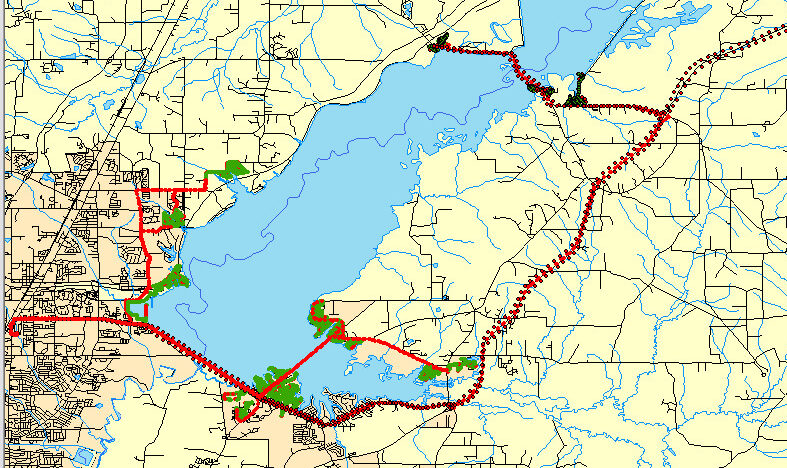
During the application process, GPS technologies play an important role. GPS tracking units create spray maps to help ensure even product coverage. This information can also be shared with the public. For successful control in large communities, ULV spray applications may be paired with residual “barrier” treatments via backpack applicators near homes and areas where mosquitoes tend to concentrate. Industrial mosquito spray equipment, such as trucks and aerial systems, can also be used to target adult mosquitoes across large areas of land.

Mosquito Control, Adulticides, Integrated Mosquito Management (IMM) programs

How VDCI Utilizes ULV Spraying

When used as part of a comprehensive Integrated Mosquito Management program, ULV spraying, an industrial mosquito spray solution, is a necessary and highly effective method for reestablishing mosquito populations to more manageable levels. These tools and solutions can provide more long-lasting protection and reduce the risk of insecticide resistance. VDCI is committed to choosing strategies that support our goal to protect people, preserve the environment, and maximize the impact of our essential adulticide products. 

We own and operate the nation’s most robust fleet of industrial mosquito spray trucks, backpack sprayers, and aircraft dedicated to mosquito management and prevention. State entities, municipalities, and other community groups can rest assured that all equipment is properly calibrated and maintained to dispense proper droplet sizes at appropriate rates to achieve the highest level of mosquito control possible.

Contact Our Experts​​

Fill out the form below or call our experts at 866.977.6964 so that they can help you develop a custom IMM program to meet your community’s needs.

VDCI_Logo_squareSince 1992, Vector Disease Control International (VDCI) has taken pride in providing municipalities, mosquito abatement districts, industrial sites, planned communities, homeowners associations, and golf courses with the tools they need to run effective mosquito control programs. We are determined to protect the public health of the communities in which we operate. Our mosquito control professionals have over 100 years of combined experience in the field of public health, specifically vector disease control. We strive to provide the most effective and scientifically sound mosquito surveillance and control programs possible based on an Integrated Mosquito Management approach recommended by the American Mosquito Control Association (AMCA) and Centers for Disease Control and Prevention (CDC). VDCI is the only company in the country that can manage all aspects of an integrated mosquito management program, from surveillance to disease testing to aerial application in emergency situations.