Mosquito Threats: The True Cost of Inaction

mosquito-borne-diseases-treats-cost-of-inaction-disease-transmission

The Financial Repercussions of Not Controlling Mosquitoes

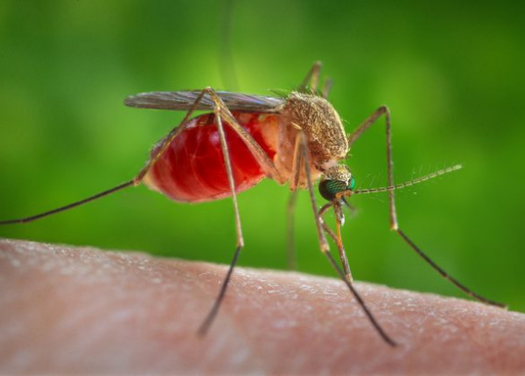
When communities consider establishing an Integrated Mosquito Management (IMM) program, budget is often a top concern. But focusing only on costs can overshadow a much bigger issue – the price of doing nothing. When mosquito populations aren’t properly managed, they can trigger a chain reaction that affects public health, local economies, and everyday quality of life. 

The true cost of mosquito control inaction often appears in ways that are more challenging and expensive to resolve:

  • Increased healthcare costs associated with disease outbreaks
  • Veterinary expenses tied to diseases affecting pets and livestock
  • Lost productivity from missed workdays and disability
  • Tourism impacts driven by travel concerns and perceived health risks
  • Property value decline linked to nuisance mosquito populations
mosquito-borne-diseases-treats-cost-of-inaction-disease-transmission-warning-sign

Mosquito Management Is an Investment

There is no denying that effective city mosquito control programs require judicious funding, and budgets can vary widely depending on geography, community size, and disease risk.

For example:

  • Miami-Dade County, Florida, invests roughly $16.7 million annually to serve a population of approximately 2.7 million residents.

  • The Central Massachusetts Mosquito Control Project operates on about $2.3 million per year to protect 42 towns and nearly one million people.

  • Smaller municipalities also make notable investments. For instance, Bentonville, Arkansas, allocates around $500,000 annually for surveillance and control efforts.

At first glance, these numbers may seem high. But when compared to the costs of disease outbreaks, emergency response, and lost economic activity, mosquito control functions much like insurance that helps communities avoid far larger, unplanned expenses.

Healthcare Cost Tied to Mosquito-Borne Diseases

Mosquito-borne diseases carry real, measurable financial burdens in the United States. West Nile virus alone costs approximately $56 million a year in direct medical expenses. When long-term care, lost productivity, and premature deaths are also included, the total annual economic impact is estimated to reach $450 million annually.

Florida’s 2016 Zika outbreak further illustrates the long-term financial consequences of mosquito-transmitted disease. Children born with Zika-related birth defects such as microcephaly—a neurological condition where an infant’s brain does not fully develop—carry estimated lifetime care costs averaging $4 million per child. These expenses have heavily impacted Medicaid programs, state health budgets, and social services, creating long-term financial obligations that may far exceed the cost of mosquito prevention and surveillance.

mosquito-borne-disease-transmission-healthcare-cost

Mosquitoes’ Financial Impact on Tourism and Local Businesses

The economic consequences of mosquito-borne disease outbreaks extend well beyond healthcare. During the 2016 Zika outbreak, concerns over mosquito-transmitted disease also impacted tourism, hospitality revenue, and local business activity. 

A peer-reviewed study found that 91% of surveyed local businesses reported decreased revenues compared to the same period the previous year.

Just the perception of disease risks can result in significant economic losses for communities that depend on seasonal travel and outdoor recreation. Following a CDC travel advisory for the Wynwood district of Miami, some restaurants and hospitality businesses reported revenue declines of up to 75%, which led to staff layoffs and reduced operating hours. Many business owners attributed these losses directly to public fear, even though transmission was limited to specific areas. 

As mosquito habitats expand across the country, numerous mosquito-transmitted diseases are increasing in previously unaffected regions. In fact, researchers believe as many as a billion people could be newly exposed to mosquito-borne diseases within the century.

mosquito-borne-disease-transmission-financial-impact=on-tourism-local-businesses

How Mosquitoes Impact Property Values

Property values can increase significantly when located near natural areas. Properties close to parks and green spaces typically sell at price points 5-20% higher than similar homes farther away.

But these areas can also serve as habitats for various mosquito species. Painful, itchy bites and concerns about mosquito-transmitted diseases discourage outdoor use, reducing enjoyment of yards, patios, parks, and waterfronts. This, in turn, may lower the overall appeal and desirability of a community, especially in amenity-focused areas.

The Cost of Reaction vs Prevention

Once a disease outbreak commences, response costs escalate rapidly. Research consistently shows that proactive surveillance and early intervention are far more cost-effective than outbreak response:

  • A proactive mosquito monitoring program in Brazilian cities prevented an estimated 27,000 dengue cases, saving a combined $364,000 in direct healthcare and control costs and more than $7 million annually in avoided lost wages.

  • A study by Emory University revealed that cutting back on mosquito surveillance can increase epidemic management costs by more than 300-fold compared to sustained monitoring and early detection. 

  • Long-term economic evaluations indicate that maintaining city mosquito control programs often costs a little more than responding to outbreaks alone once medical treatment, emergency response, and productivity losses are factored in. Even programs that achieve only a 50-70% reduction of mosquitoes can remain economically valuable.

Furthermore, evidence suggests the public generally supports stronger mosquito control efforts. A New Jersey study found that residents were willing to pay about $9.50 per person per year through taxes or donations for improved mosquito management. When combined across the community, the perceived benefit totaled nearly $10 million annually. That’s almost four times the existing mosquito control program’s costs, indicating that residents valued mosquito abatement well above what was being spent.

mosquito-borne-disease-transmission-cost-reaction-vs-prevention

Understanding the True Cost of Integrated Mosquito Management

Integrated Mosquito Management is not about eliminating mosquitoes entirely. It is about reducing populations to safe levels through surveillance, data-driven decision-making, habitat modification, larval control, and targeted adult mosquito control when necessary. 

Programs are tailored, and costs are based on a range of factors:

  • Scope and size of the service area
  • Program components included
  • Type of control methods required
  • Local disease risk and mosquito pressure
  • Seasonality and flexibility needs
  • Emergency response preparedness
  • Action thresholds and insecticide resistance management
  • Public education and communication
  • Contract structure and cost sharing

The Big Picture

The takeaway is clear: most communities will pay for mosquito control whether they plan for it or not. The difference is whether those costs are predictable or reactive. An IMM program helps communities avoid unplanned expenses and preserve quality of life.

mosquito-borne-disease-transmission-true-cost-imm-trucks
YouTube player

Contact Our Experts

Complete the form below or call us at 800-413-4445 to speak to an expert about your mosquito management needs.
VDCI_Logo_squareSince 1992, Vector Disease Control International (VDCI) has taken pride in providing municipalities, mosquito abatement districts, industrial sites, planned communities, homeowners associations, and golf courses with the tools they need to run effective mosquito control programs. We are determined to protect the public health of the communities in which we operate. Our mosquito control professionals have over 100 years of combined experience in the field of public health, specifically vector disease control. We strive to provide the most effective and scientifically sound mosquito surveillance and control programs possible based on an Integrated Mosquito Management approach recommended by the American Mosquito Control Association (AMCA) and Centers for Disease Control and Prevention (CDC). VDCI is the only company in the country that can manage all aspects of an integrated mosquito management program, from surveillance to disease testing to aerial application in emergency situations.

Everyday Items Around Your Citizens’ Homes That Attract Mosquitoes

mosquito-breeding-sites-public-education-awareness

Where Do Mosquitoes Lay Eggs?

All mosquito species require water to breed and complete their lifecycle. Mosquitoes lay their eggs in or near stagnant water, where they hatch into fully aquatic larvae. The larvae feed and develop in the water until they pupate, leaving only after the fully mature adult emerges from the pupa and flies off. However, different mosquito species require different water sources, and each source can be categorized into one of three groups: permanent water mosquitoes, floodwater mosquitoes, and container mosquitoes.

Permanent Water:
These mosquitoes seek out large standing water sources, such as stagnant ponds and marshes, to breed. Many species will lay their eggs directly on the water’s surface, while others will lay their eggs on aquatic plants. Most mosquitoes will seek out freshwater sources; however, some mosquito species are able to breed in coastal salt marshes.

permanent-water-mosquito-on-water-surface (2)

Floodwater:
While all mosquito eggs need water to hatch, some species are capable of “waiting it out.” Floodwater mosquitoes lay their eggs on or just above the water line of plants or other aquatic structures near ditches or floodplains. The eggs are able to survive in a dormant state when these places are relatively dry, and then hatch when they flood. This can lead to large, localized spikes in mosquito numbers after heavy rainfall, when many of these mosquitoes’ eggs hatch simultaneously.

floodwater-mosquito-breeding-sites (3)

Containers:
Container-breeding mosquitoes lay their eggs in nearly anything capable of holding water. Common sources often include artificial containers such as discarded tires, buckets, and bird baths and natural containers such as tree holes or leaf axils of plants. Container mosquitoes are especially problematic in urban areas and suburban areas where many of these containers are found within the environment. Fortunately, there are plenty of precautions citizens can take to eliminate these breeding sites.

containers-mosquito-breeding-sites (2)

Common Mosquito Breeding Containers Near Homes

Container mosquitoes will use nearly anything that holds water as a breeding site. Containers do not need to be especially large or permanent to host container mosquito larvae. Here are just a few of the small but common containers these mosquitoes will seek out:

  • Buckets
  • Flowerpots and planters
  • Leaf-clogged gutters 
  • Old tires
  • Wheelbarrows
  • Bird baths
  • Trash cans
  • Swimming pools
  • Pet dishes

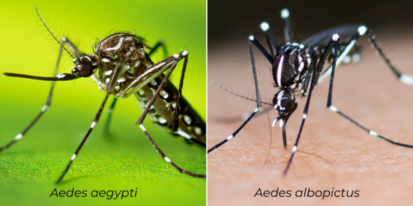
Because some container mosquitoes like Aedes aegypti and Aedes albopictus are potential disease vectors, it can be just as important to monitor container sources as it is permanent water and floodwater sources. Fortunately, there’s plenty the average citizen can do to help eliminate container breeding sites.

What Can Citizens Do to Reduce Mosquito Breeding Sites?

Because of mosquitoes’ quick life cycle, it’s important to limit breeding sites on an ongoing basis, and especially after substantial rainfall. Cleaning up a property and removing any discarded cups, jars, old tires, or other debris is a great start. Ensuring that gardening equipment like wheelbarrows and buckets are either covered or turned over when not in use can prevent them from becoming breeding sites later on. Clearing clogged gutters or planters is a great next step, and draining any larger water sources like unused swimming pools can also go a long way toward limiting the spread of container mosquitoes and potential mosquito-bite diseases.

dumping-standing-water-reduce-mosquito-breeding-sites

Sources:
“Where Mosquitoes Live.” Center for Disease Control. https://www.cdc.gov/mosquitoes/about/where-mosquitoes-live_1.html. Accessed 2 February 2026.

Schattenberg, Paul. “Texas Mosquito Populations Boom After Rains.” Texas A&M Stories.  https://stories.tamu.edu/news/2023/06/28/texas-mosquito-populations-boom-after-rains/. Accessed 2 February 2026.

YouTube player

Contact Our Experts

Complete the form below or call us at 800-413-4445 to speak to an expert about your mosquito management needs.

VDCI_Logo_squareSince 1992, Vector Disease Control International (VDCI) has taken pride in providing municipalities, mosquito abatement districts, industrial sites, planned communities, homeowners associations, and golf courses with the tools they need to run effective mosquito control programs. We are determined to protect the public health of the communities in which we operate. Our mosquito control professionals have over 100 years of combined experience in the field of public health, specifically vector disease control. We strive to provide the most effective and scientifically sound mosquito surveillance and control programs possible based on an Integrated Mosquito Management approach recommended by the American Mosquito Control Association (AMCA) and Centers for Disease Control and Prevention (CDC). VDCI is the only company in the country that can manage all aspects of an integrated mosquito management program, from surveillance to disease testing to aerial application in emergency situations.

The Battle Against Mosquitoes: What Does “Winning” Look Like?

larviciding-plane-in-air-applying-aerial-treatment

Mosquitoes Are Here to Stay—So What Does Success Look Like?

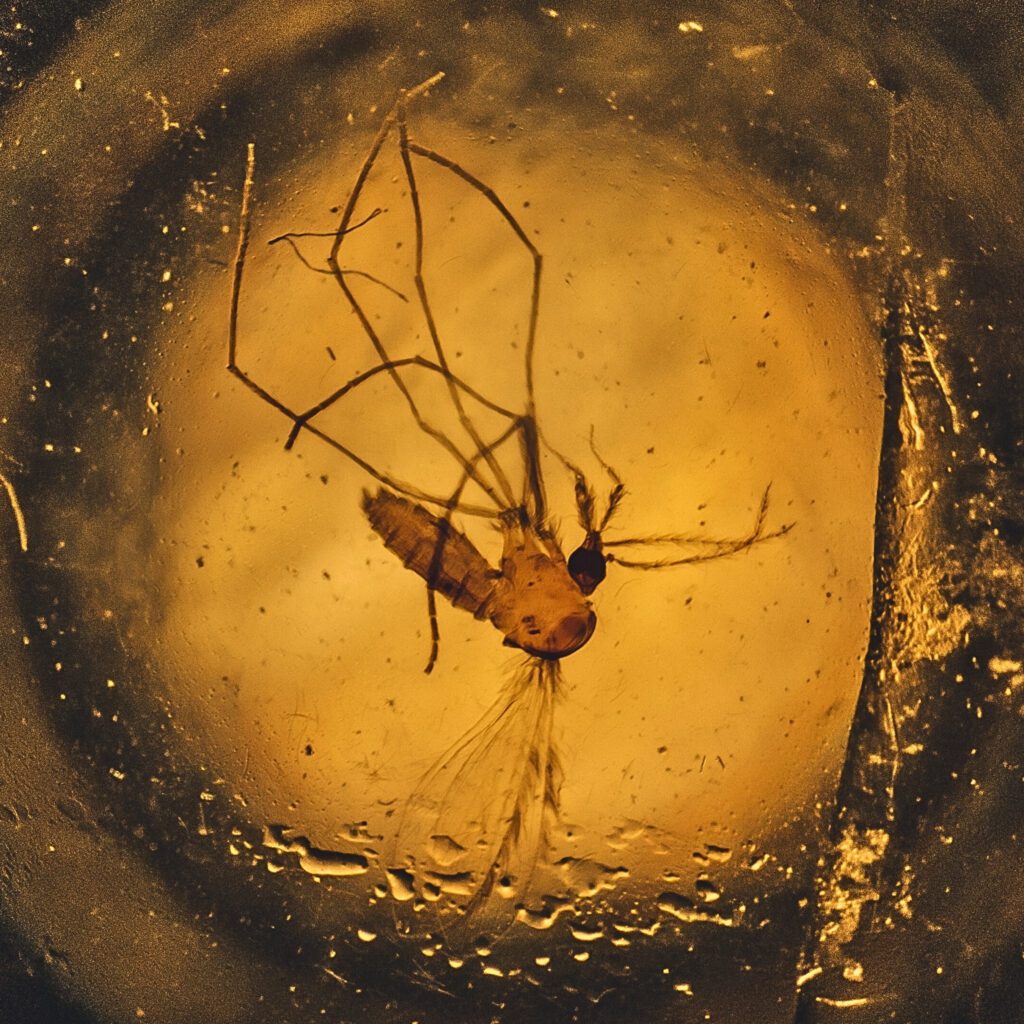
Mosquitoes have existed for over 100 million years, surviving through the Jurassic Period, the Ice Age, and numerous environmental extremes thanks to their remarkable adaptability. While it’s appealing to imagine a world free from itchy mosquito bites, completely eliminating mosquitoes is an unrealistic goal. “Winning” the battle isn’t about eliminating all mosquitoes; it’s about protecting public health by reducing the mosquito population to a manageable level, thereby reducing the spread of vector-borne diseases. Historical precedent suggests this is only possible through a coordinated, integrated management approach.

Ancient Mosquito Preserved in Amber

A Historic Example of Targeted Mosquito Control

For example, in the 1950s, Anopheles gambiae, a vector of malaria, was accidentally imported from Africa to Brazil, leading to thousands of deaths. In response, Brazil launched a highly organized campaign to eliminate this invasive species. This involved daily surveys, mapping infestations, and suffocating larvae by applying oil to their preferred breeding sites—puddles, irrigated fields, and even water that collected in cattle hoof prints. Because Anopheles gambiae feeds exclusively on humans and stays close to its breeding areas, teams could systematically move from the outskirts of communities inward. This approach successfully eliminated the Anopheles gambiae from Brazil and stands as one of the most historically successful mosquito elimination programs ever instituted.

Why Short-Term Mosquito Management Programs Fall Short

Similar strategies were used in the United States in the 1960s to control Aedes aegypti, the primary vector of yellow fever. Programs combined careful monitoring, habitat management, and door-to-door community education. Residents were encouraged to eliminate standing water from buckets, tires, birdbaths, and other small containers that serve as Aedes aegypti breeding grounds. These efforts temporarily reduced their populations to near-zero numbers in some areas. Unfortunately, when the program ended in the early 1970s due to funding and commitment challenges, this mosquito species rebounded in full force.

Clsoe-up-mosquito
dumping-standing-water

These examples illustrate that mosquito population dynamics are always evolving, particularly due to increased global trade, travel,  insecticide resistance, and climate change, which are creating new areas and conditions for mosquitoes to spread. Today’s mosquito management programs build on the lessons and successes of past initiatives. They are scientifically precise, carefully tailored, and designed to achieve maximum impact while minimizing environmental effects. 

Targeting Mosquitoes at Every Life Stage

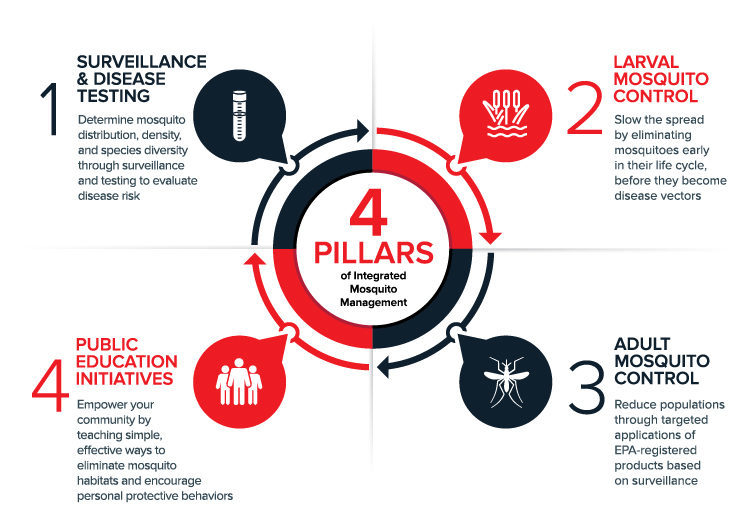
VDCI’s Integrated Mosquito Management (IMM) programs are defined by four pillars: surveillance and disease testing, larval control, adult control, and public education. By leveraging the latest technologies and targeting mosquitoes at every stage of their life cycle, these programs can help reduce mosquito populations and the risk of disease transmission. Nonetheless, true success depends on the support and cooperation of the local community, particularly in removing standing water where many urban mosquitoes breed.

4 pillars of integrated mosquito management plans infographic

The Cost of Letting Mosquito Control Lapse

Historical examples prove that when mosquito management is prioritized, populations can be effectively managed. However, they also demonstrate that if efforts lapse due to funding gaps, political changes, or public disengagement, decades of progress can be quickly reversed. Government leaders and public health officials must recognize that the battle against mosquitoes can never be truly won. It is a continuous effort that requires a sustained investment in time, resources, and community education.

YouTube player

Contact Our Experts

Complete the form below or call us at 800-413-4445 to speak to an expert about your mosquito management needs.

VDCI_Logo_squareSince 1992, Vector Disease Control International (VDCI) has taken pride in providing municipalities, mosquito abatement districts, industrial sites, planned communities, homeowners associations, and golf courses with the tools they need to run effective mosquito control programs. We are determined to protect the public health of the communities in which we operate. Our mosquito control professionals have over 100 years of combined experience in the field of public health, specifically vector disease control. We strive to provide the most effective and scientifically sound mosquito surveillance and control programs possible based on an Integrated Mosquito Management approach recommended by the American Mosquito Control Association (AMCA) and Centers for Disease Control and Prevention (CDC). VDCI is the only company in the country that can manage all aspects of an integrated mosquito management program, from surveillance to disease testing to aerial application in emergency situations.

How Urbanization Impacts the Mosquito Population

What Communities Can Do to Control Mosquito Breeding in Urban Areas

Urban development changes the natural landscape, and while the effects on native plants and wildlife are often discussed, these conversations rarely include mosquitoes. It’s important to understand that whenever environmental conditions shift, mosquito dynamics can also change. And when mosquito dynamics change, new public health risks may emerge.

Hundreds of mosquito species can be found around the globe, each of which are adapted to specific ecological niches. Some, such as “tree-hole” mosquitoes, are typically found in undisturbed, forested areas where they rely on wildlife for blood meals. Others thrive in well-populated urban areas. These mosquitoes breed in standing water that collects in small artificial containers like plant saucers, old tires, outdoor pet bowls, clogged gutters, buckets, and even bottle caps.

mosquito-breeding-sites-public-education-awareness

It’s Not About More Mosquitoes — Just Different Ones

It’s natural to assume that urban development causes mosquitoes to move from cities into rural areas, or vice versa. In reality, urbanization tends to reduce the presence of mosquitoes adapted to rural and sylvatic (forests) environments while creating ideal conditions for species that thrive near humans. This shift doesn’t necessarily result in more mosquitoes overall, but it does increase populations of species that are likely to bite humans, causing viruses to spread more widely and rapidly.

Here are some mosquito species and diseases city residents should be aware of:

Culex quinquefasciatus is the primary vector of the most widespread disease in the country, West Nile virus (WNv). Culex quinquefasciatus can also serve as a secondary vector for Oropouche virus (OROV). OROV has been primarily isolated in South American countries like Brazil and Peru since the 1960s, but has spread significantly in a short period. Since 2024, over 120 cases have been identified in the U.S., likely due to travel-related exposure1.

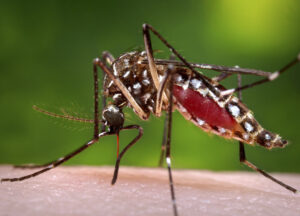
Other urban mosquitoes, including Aedes aegypti and Aedes albopictus, feed primarily on humans. They search for bloodmeals during the day when humans are most active, and are highly efficient vectors of diseases such as dengue, Zika, and chikungunya.

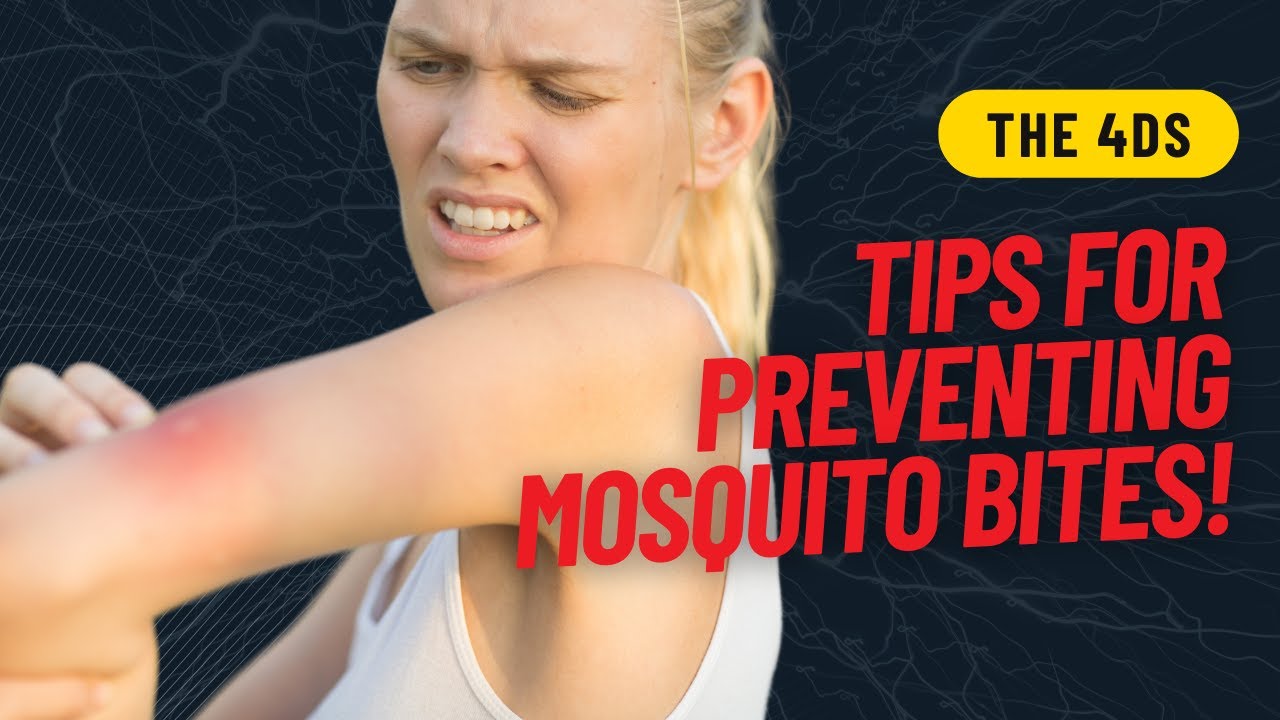
The 4Ds: Protect Yourself from Dangerous Mosquitoes

Whether you live in an urban or rural area, it’s important to protect yourself from biting mosquitoes by practicing the “4 D’s.”

DEFEND

   Use an EPA-approved repellent

   Protect pets with heartworm prevention

DRESS

     Wear light-colored, loose-fitting clothes and closed-toe shoes.

     Apply repellent to exposed skin on hands, ankles, neck, and face.

DRAIN

     Eliminate mosquito breeding sites by emptying standing water in buckets, birdbaths, tarps, plant saucers, and other containers.

     Ensure gutters, flower pots, rain barrels, and stormwater systems drain properly.

DUSK & DAWN

     Limit outdoor activity when mosquitoes are most active - Urban mosquitoes typically feed at dawn and dusk and rest in shaded, cool areas during the day.

Planning Ahead to Protect Public Health

Personal protection goes hand in hand with an Integrated Mosquito Management (IMM) program. These programs are designed to monitor changes in mosquito populations, identify new disease threats, and initiate targeted solutions. Surveillance and disease testing, larval and adult mosquito control, and public education are core pillars of an effective IMM program. Every city and region is different, which is why IMM programs are tailored based on goals, budgets, risk levels, and many other factors.

In many areas, urban development is only accelerating, but with proper planning, communities can stay ahead of mosquito-related threats as landscapes and populations change.

1 Why Is Oropouche Spreading so Fast? | Medscape, published May 19, 2025

YouTube player

Contact Our Experts

Complete the form below or call us at 800-413-4445 to speak to an expert about your mosquito management needs.

VDCI_Logo_squareSince 1992, Vector Disease Control International (VDCI) has taken pride in providing municipalities, mosquito abatement districts, industrial sites, planned communities, homeowners associations, and golf courses with the tools they need to run effective mosquito control programs. We are determined to protect the public health of the communities in which we operate. Our mosquito control professionals have over 100 years of combined experience in the field of public health, specifically vector disease control. We strive to provide the most effective and scientifically sound mosquito surveillance and control programs possible based on an Integrated Mosquito Management approach recommended by the American Mosquito Control Association (AMCA) and Centers for Disease Control and Prevention (CDC). VDCI is the only company in the country that can manage all aspects of an integrated mosquito management program, from surveillance to disease testing to aerial application in emergency situations.

Reshaping the Mosquito Control Industry

SOL_VDCI_Day1_finals_2915_737

Every year, new technologies emerge that help keep people safer, healthier, and happier. This includes technologies used in the mosquito management industry.

Vector-borne diseases spread by mosquitoes are responsible for killing more than one million people annually. That’s why the development of new innovations is key in the mission to prevent mosquitoes from endangering communities worldwide. 

When we choose to utilize advanced technologies, it’s because they enhance the accuracy, efficacy, and safety of our work. Here are some of the advanced mosquito trapping methods and innovations we utilize as part of mosquito surveillance programs and Integrated Mosquito Management programs to help keep the communities we serve safe.

Without data, it’s difficult to understand the effectiveness of mosquito control efforts or fully demonstrate to stakeholders the financial return of their investment. It’s also more challenging to strategize an effective management plan. GIS mapping can be utilized in nearly every facet of an integrated mosquito management program, from tracking larval and adulticide applications to monitoring mosquito populations and disease data via mosquito surveillance equipment. Over time, this information can be analyzed to identify trends or patterns and determine the overall impact of treatment efforts.

Mosquito Surveillance Traps and Lab Analysis

Mosquito Surveillance & Disease Testing Reduce Mosquito-borne Disease 3

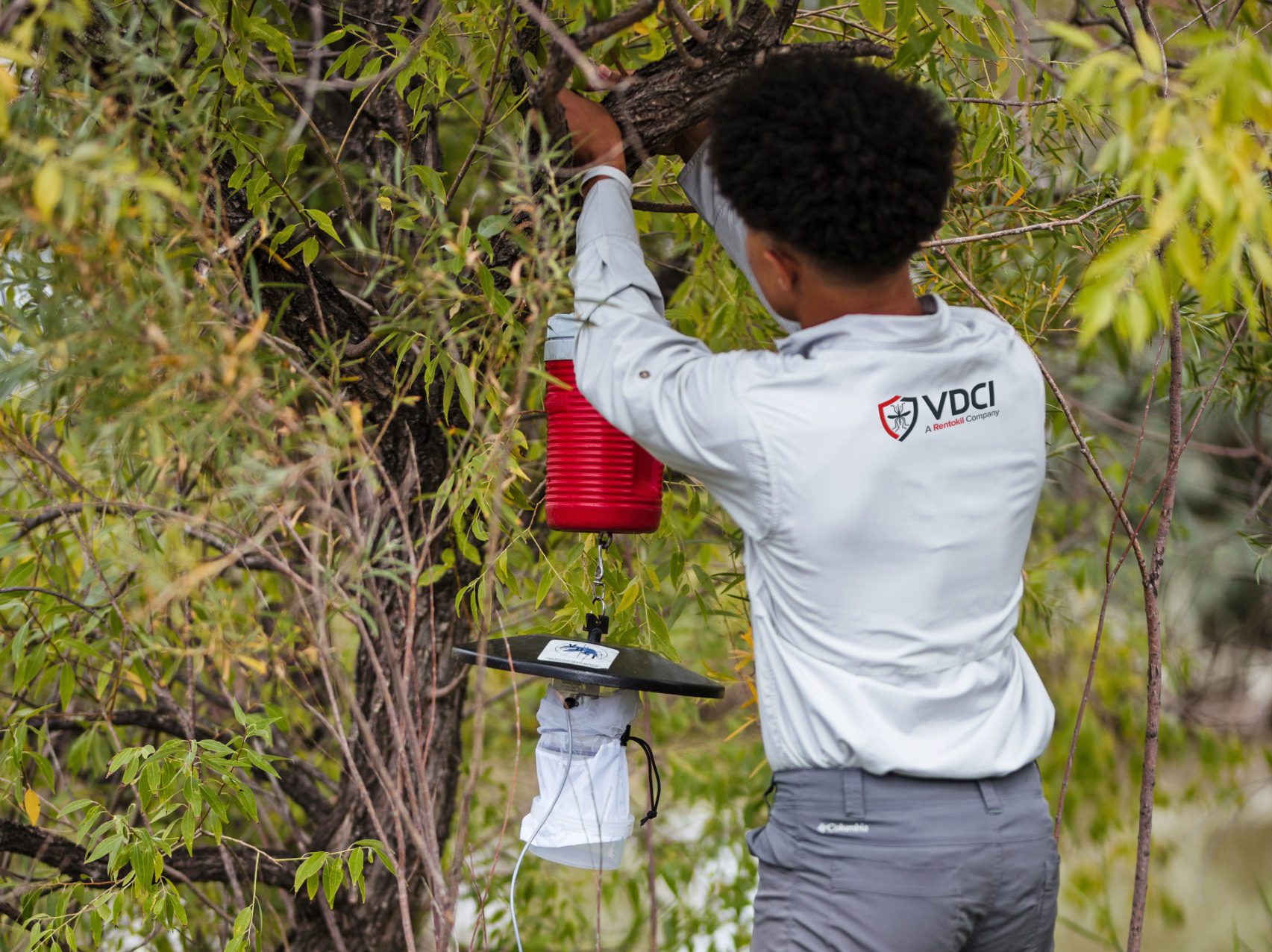
Mosquito surveillance traps are not used to control adult mosquitoes; rather, they serve as an advanced mosquito trapping method and an important surveillance tool for collecting data on species distribution and population dynamics. This advanced mosquito trapping method allows experts to assess vector competence and calculate disease risk effectively.

Our professionals utilize several types of mosquito surveillance traps, including the CDC Miniature Light Trap, Gravid Trap, BG-Sentinel, and New Jersey Light Trap, just to name a few.  Collection, counting, and identification of the mosquitoes through a mosquito surveillance program help staff determine which abatement solutions should be employed.  Once collected, mosquitoes also undergo professional testing and analysis at the lab. Oftentimes, the diseases mosquitoes can transmit can be detected in the mosquitoes themselves weeks before they can be passed on to their human and animal hosts. This gives mosquito management experts a window of opportunity to take action to reduce the risk of human disease transmission in the local community and is one of the reasons that mosquito surveillance programs are so vital.


Mosquito management professionals utilize several technologies when conducting larviciding and adulticiding applications. Data gathered from advanced mosquito trapping methods ensures that we are spraying in the right places and at the right time.
CDCMosquito-adult-larviciding-2-scaled

Ground Application Technology

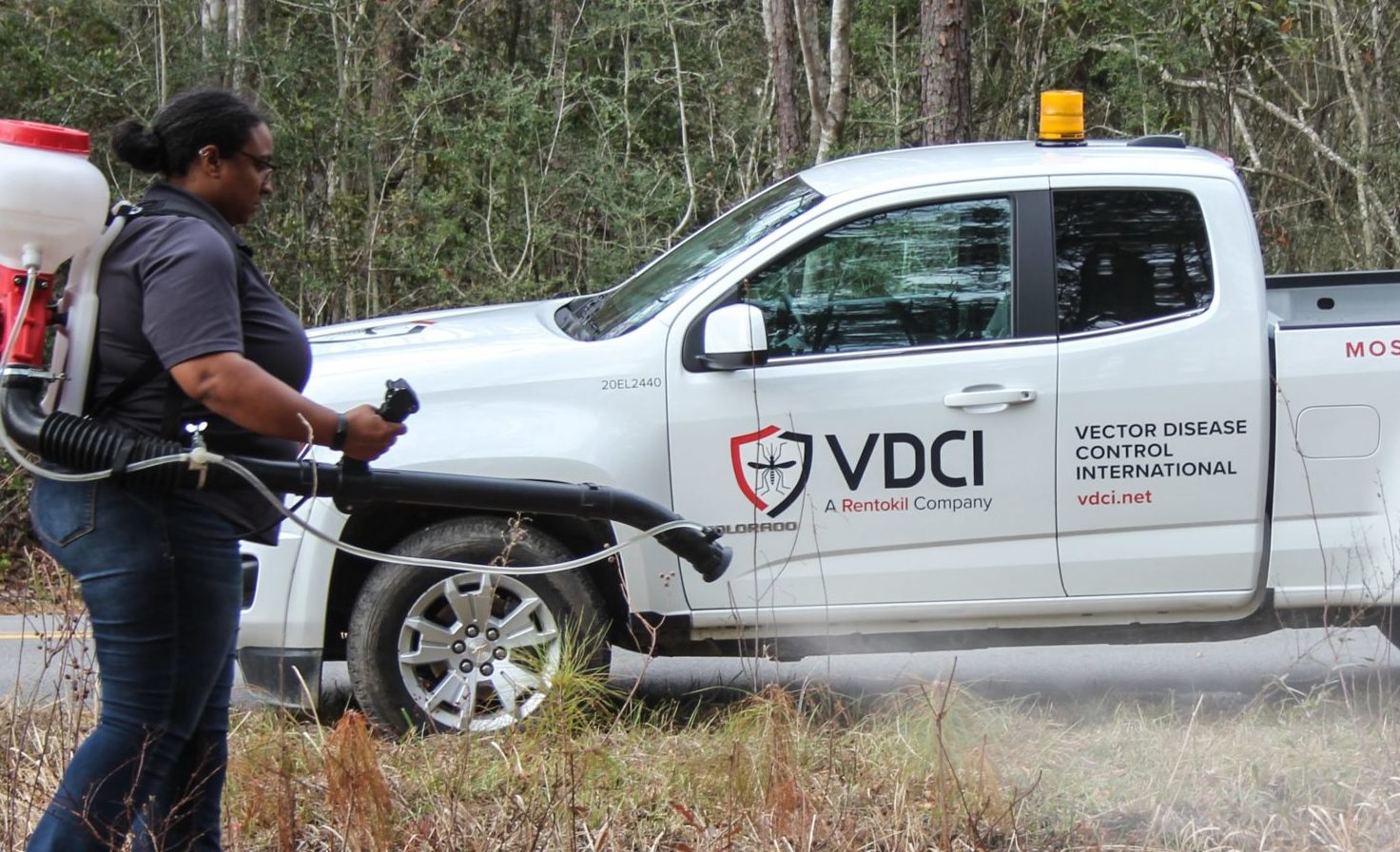
For smaller areas, crews may choose to perform ground applications using either backpacks or power sprayers capable of holding 2-100 gallons of product.  Whether an application is done by hand or with specialized truck-based equipment, they’re calibrated frequently, and all applications are recorded in VDCI”s proprietary database.

Planes

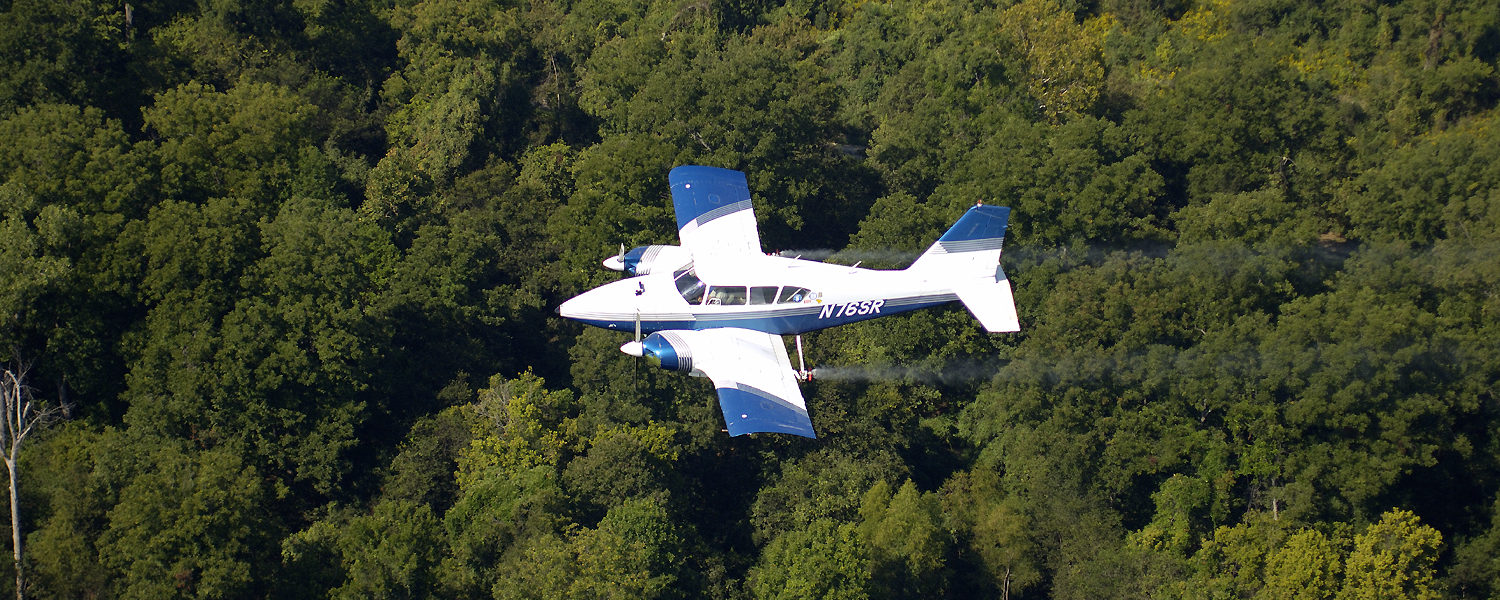
For large areas that need to be treated quickly or places you simply can’t access with vehicles, aerial fleets are the go-to option. VDCI operates one of the world’s largest aerial fleets dedicated to mosquito control and services customers from coast to coast.

Aerial Spraying Malcom 9

Aircraft equipped for adult mosquito control utilize the Wingman® GX spray optimization and guidance software in addition to an AIMMS-20 onboard meteorological probe to ensure the most effective application possible. This integrated system is the only scientifically validated one of its kind that incorporates constant real-time meteorological data at the release height to optimize the entire application. This optimization ensures that the maximum spray cloud droplet density is delivered to the target zones, thus providing you with the maximum level of mosquito control.

Each member of VDCI’s flight crew is highly trained and licensed through the Federal Aviation Administration (FAA). Crews utilize military-grade ANVIS -6 night vision goggles on all nighttime spray missions to increase visibility and accuracy. At the completion of each spray mission, data is downloaded from the aircraft, and reports are generated, providing our customers with a visual depiction of the spray mission, along with the vital statistics of each spray.

Unmanned Aerial Drones

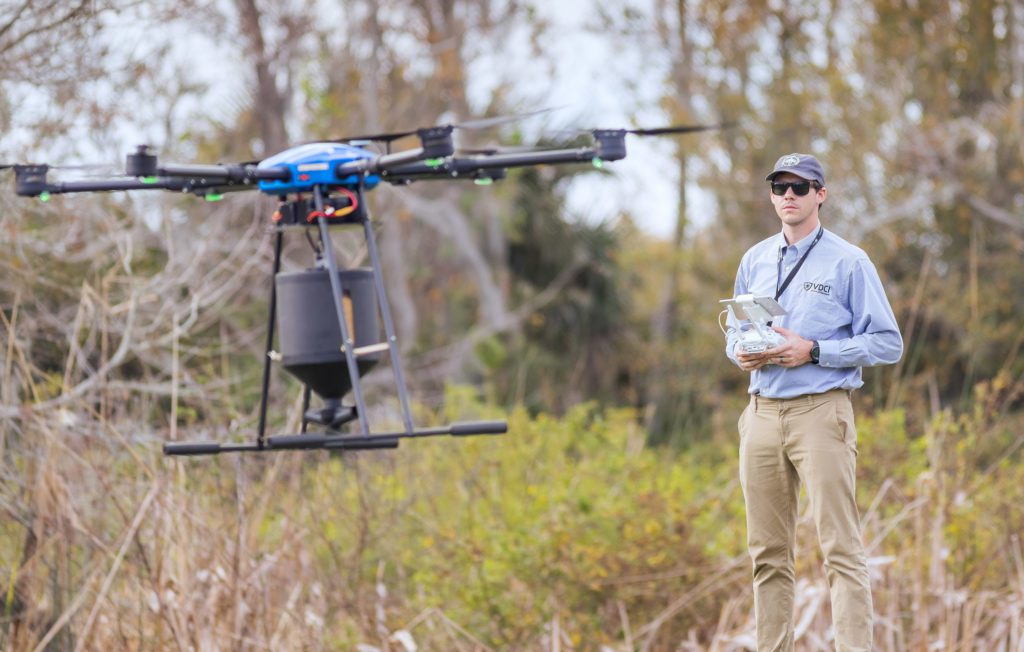
Recent advancements in drone technology have provided a new way to reach and treat areas that were previously inaccessible via ground or plane.

drones mosquito management

Our drones are custom-built by Leading Edge Aerial Technologies, Inc. for commercial applications. Each drone exhibits a 6ft wingspan and is equipped with superior features that are operated remotely by a professional team. Drones are supported by GPS technology to access mapped target sites and guide precision applications using granular products. They are also configured with state-of-the-art software that blocks filming, so homeowners can have peace of mind while drone applications occur nearby.
VDCI Remains At The Forefront of Vector Industry Advancements

VDCI is committed to staying at the forefront of technological advancements in mosquito surveillance and mosquito control, and creating new standards for safety and efficiency. We employ a wide array of technology, ranging from advanced mosquito trapping methods and laboratory analysis to advanced software systems.and specialized application equipment. Our advanced mosquito trapping methods and state-of-the-art technology ensure the highest standards of precision and efficiency in mosquito management. We strive to provide you with the most comprehensive mosquito surveillance and management services possible to help keep your communities safe and outdoor spaces enjoyable. Contact or call our experts at 844-369-9472 to discuss the most effective control solutions for your community.

VDCI Wants To Make Your Property Safer.
How Can We Help?

Fill out the information below, and one of our experts will follow up with you shortly.

VDCI_Logo_squareSince 1992, Vector Disease Control International (VDCI) has taken pride in providing municipalities, mosquito abatement districts, industrial sites, planned communities, homeowners associations, and golf courses with the tools they need to run effective mosquito control programs. We are determined to protect the public health of the communities in which we operate. Our mosquito control professionals have over 100 years of combined experience in the field of public health, specifically vector disease control. We strive to provide the most effective and scientifically sound mosquito surveillance and control programs possible based on an Integrated Mosquito Management approach recommended by the American Mosquito Control Association (AMCA) and Centers for Disease Control and Prevention (CDC). VDCI is the only company in the country that can manage all aspects of an integrated mosquito management program, from surveillance to disease testing to aerial application in emergency situations.