
Debunking Myths: Bats for Effective Mosquito Control

Eastern Small Footed Bat

Written by:
Michael “Doc” Weissmann, Ph.D., VDCI Entomologist

Co-Written by:
Dr. Louise Lynch-O’Brien of the University of Nebraska at Lincoln

Though mosquitoes are considered the most dangerous species in the world, they are more widely known as one of the most annoying. For thousands of years, humans have sought out solutions and techniques to thwart mosquitoes when spending time outdoors – some effective, some not. While modern scientific advancements have provided us the tools and knowledge to manage mosquitoes more safely and effectively than ever before, dozens of old wives’ tales still persist. One of the most common misconceptions centers around bats.

Bats can consume up to 1,000 mosquitoes in an hour, right? This “fact” is often presented as a primary reason to promote bat conservation. In more extreme instances, some activists claim that installing bat boxes in a neighborhood will lead to successful mosquito control and prevent people from contracting mosquito-borne illnesses like West Nile virus.
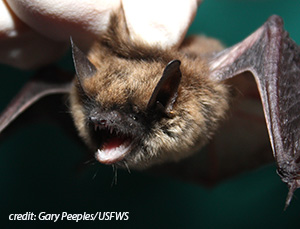
Eastern Small Footed BatThe claim likely originated from a study published in 1960 about how certain bats use echolocation to detect and capture small insects (Griffin et al. 1960). As part of the study, Donald Griffin and colleagues at Harvard University photographed little brown bats (Myotis lucifugus) and Eastern small-footed bats (M. leibii) preying on mosquitos (Culex quinquefasciatus) placed together in a room measuring (2.44 m. wide by 4.88 m. long by 2.44 m. tall (8 ft. wide by 16 ft. long by 8 ft. high). Only a small fraction of the bats (less than 10%) demonstrated prey capture behavior when released into the room that initially contained approximately 2000 mosquitoes, but the study focused on these “good catchers.” Again, this was a study on prey capture technique, not prey quantity.

Based on the amount of weight gained by the bats during each trial, the researchers estimated the number of mosquitoes consumed on average during that period. The study began with 2,000 mosquitoes for the initial trial, but they were not able to replenish the mosquito population to that same level during subsequent trials. The “champion catcher” was an individual M. leibii that was recorded to consume an average of 9.5 mosquitoes per minute during the 15-minute trial. It is summarized in the paper with the statement, “This bat was thus catching about ten mosquitoes per minute or one every six seconds.” Note that this was the highest rate recorded during the study, with all other capture rates being significantly less.

Since that publication, others have quoted this statement out of context, and used it to extrapolate numbers to greater time periods. Ten mosquitoes per minute becomes 600 mosquitoes in an hour. Just as the 9.5 mosquitoes per minute was rounded to 10, the 600 mosquitoes per hour is usually generously rounded up to 1000. Over an 8-hour mid-summer night, that would be 8,000 mosquitoes per night, or more than 2.9 million mosquitoes in a year, or nearly 117 million mosquitoes over a 40-year lifespan – just for one bat! Very impressive.

Is this kind of extrapolation justified? It assumes that the “champion catcher” rate of consumption is 1) true for all bats; 2) maintained for a full hour (or for the full evening, week, month, year, lifetime); and 3) no other insects are consumed except mosquitoes. The original study placed the bats in a room with only mosquitoes to feed on and nothing else. It has been demonstrated that some species of bats do consume mosquitoes as part of their diet (for example, Wray et al. 2018). However, bats tend to be generalist and opportunistic predators, feeding on a wide variety of nocturnal insects as available at different times of year and different times during a single evening. Optimal foraging strategy suggests that bats would prefer larger insects like beetles and moths that provide more dietary value for the predatory effort (“more bug for the buck”). Except in circumstances where mosquitoes are temporally and locally extremely abundant, they are likely to comprise only a small fraction of a bat’s caloric intake on a typical night of foraging.

Bats are important predators, valuable to humans for their role in reducing agricultural pest populations. Boyles et al. (2011) estimate the annual benefit of bat predation to North American agriculture at more than US$3.7 billion, based on consumption of crop pest species (a value that should be quoted with caution, of course, since that dollar figure is itself an extrapolation, based on the per-acre value of cotton in Texas!). However, studies confirming bats’ importance in mosquito control are limited, and the “1000 mosquitoes per hour” claim is not likely to be true under natural conditions.

Luckily, there are much more impactful ways to prevent the spread of mosquito-borne diseases. Integrated Mosquito Management (IMM) programs are designed to proactively target mosquitoes at every stage of their lifecycle using professional surveillance and disease testing, population monitoring, larviciding, and adulticiding. These science-backed actions are supported by public education initiatives that empower community members to wear EPA-registered repellents and clothing that covers their bare skin, drain standing water where mosquitoes breed, and stay indoors during dusk and dawn when mosquitoes are most active.

Seeing bats swooping around in the evening does not mean you’re being defended, but they can serve as an important reminder to continue practicing responsible mosquito prevention efforts that protect ourselves and our communities.

Boyles, J.G., Cryan, P.M., McCracken, G.F., & Kunz, T.H. (2011). Economic importance of bats in agriculture. Science, 332 (6025): 41-42.

Griffin, D.R., Webster, F.A., & Michael, C.R. (1960). The echolocation of flying insects by bats. Animal Behaviour, 8 (3-4): 141-154.

Wray, A.K, Jusino, M.A., Banik, M.T., Palmer, J.M., Kaarakka, H., White, J.P., Lindner, D.L., Gratton, C., & Peery, M.Z. (2018). Incidence and taxonomic richness of mosquitoes in the diets of little brown and big brown bats. Journal of Mammalogy, 99 (3): 668-674.­

Contact Us to Learn More About Effective Mosquito Prevention Strategies

VDCI_Logo_square Since 1992, Vector Disease Control International (VDCI) has taken pride in providing municipalities, mosquito abatement districts, industrial sites, planned communities, homeowners associations, and golf courses with the tools they need to run effective mosquito control programs. We are determined to protect the public health of the communities in which we operate. Our mosquito control professionals have over 100 years of combined experience in the field of public health, specifically vector disease control. We strive to provide the most effective and scientifically sound mosquito surveillance and control programs possible based on an Integrated Mosquito Management approach recommended by the American Mosquito Control Association (AMCA) and Centers for Disease Control and Prevention (CDC). VDCI is the only company in the country that can manage all aspects of an integrated mosquito management program, from surveillance to disease testing to aerial application in emergency situations.

Do These Mosquito Prevention Products and Strategies Work?

mosquito-born diseases webinar

We’ve all experienced aggravating mosquito bites when spending time outdoors, and for most people, they’re nothing more than a nuisance. And many of us have heard about outbreaks of West Nile Virus, Dengue, Eastern Equine Encephalitis, and other diseases, but may have dismissed the risk of contracting them as extremely rare. These are dangerous misunderstandings; mosquitoes kill more than one million people each year, making them the deadliest species in the world. 

Protecting ourselves from mosquito bites is essential to the well-being of our communities, but unfortunately, there are many myths and misconceptions about popular mosquito deterrents. VDCI is committed to educating the public on the safety and efficacy of common mosquito prevention tools – and supporting communities, state agencies, and mosquito-abatement districts with science-backed solutions and management strategies. 

Common mosquito prevention myths and misconceptions

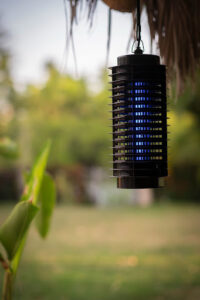
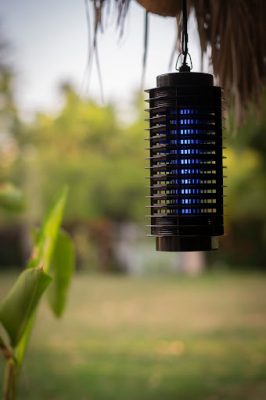
Bug zappers – There’s a common belief that bug zappers attract and electrocute mosquitoes using ultraviolet lights or black lights. In fact, more than two million homeowners turn to bug zappers for mosquito management around their properties. In reality, research indicates that mosquitoes comprise only 6% of the bugs killed and these devices are actually detrimental to beneficial insects including moths and beetles. These devices do not work to reduce host-seeking mosquitoes, because females in search of a bloodmeal are most attracted to carbon dioxide expelled by humans and animals when they breathe.

bug-zapper

Misting sprays – Private misting systems have become a popular solution marketed by companies that are not licensed in public health. This means that the spray products they use do not have to be registered with the Environmental Protection Agency (EPA). While the products are capable of killing mosquitoes, this approach can be harmful to the environment and may result in unnecessary exposure to people. When insecticides are sprayed in unnecessary amounts or intervals, mosquitoes can become resilient to them over time. Improperly applied insecticides can also harm non-target insects that are beneficial to the environment. The American Mosquito Control Association (AMCA) has taken a stance against these misting systems until there has been more research and efficacy testing done.

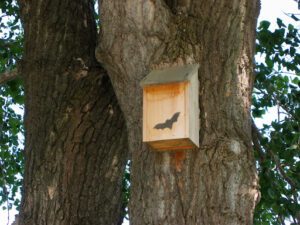
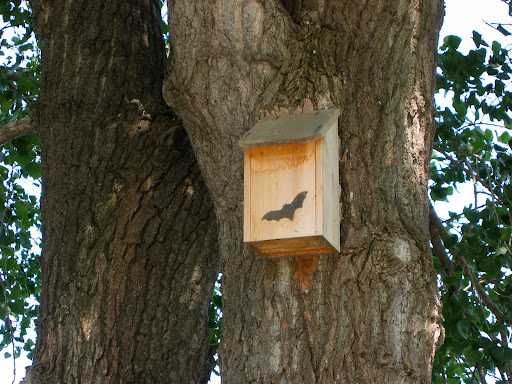
Bats – While they do feed on insects, fecal studies suggest that mosquitoes make up less than 1% of a typical bat’s diet. Attracting them with bat houses can certainly help reduce moths, beetles, and leafhoppers, which are favored food sources, but will have no significant impact on mosquito populations. Furthermore, some bat species may actually pose risks to humans, particularly when they’re able to roost near attics and other living areas. Bat droppings (guano) are capable of producing spores that cause a harmful respiratory disease when inhaled. They can also carry parasites and viruses like rabies. According to the Centers for Disease Control and Prevention (CDC), bats are the leading cause of rabies deaths in the United States. 

bat house hanging on tree

Integrated Mosquito Management

The safest and most effective mosquito management solutions are backed by science and executed as part of an Integrated Mosquito Management (IMM) program. IMM programs provide solutions that target mosquitoes at every stage of their lifecycle. And diligent monitoring and surveillance efforts ensure diseases, population changes, and signs of insecticide resistance are identified as soon as possible. When adult populations reach unacceptable or dangerous levels, then insecticides that are registered with the EPA should only be applied by licensed professionals in appropriate amounts, in the right places, and at the right times.

mosquito techs in swamp

Proactive science-backed solutions are most effective when supported by knowledgeable citizens. VDCI partners with municipalities, mosquito abatement districts, and public health organizations to disseminate educational resources that bust myths and misconceptions about mosquito management and arm people with essential mosquito prevention tips to help them limit breeding habitats on their property and protect themselves from bites – because everyone deserves peace of mind while enjoying the outdoors.

Contact Us to Learn More About Effective Mosquito Prevention Strategies

VDCI_Logo_square Since 1992, Vector Disease Control International (VDCI) has taken pride in providing municipalities, mosquito abatement districts, industrial sites, planned communities, homeowners associations, and golf courses with the tools they need to run effective mosquito control programs. We are determined to protect the public health of the communities in which we operate. Our mosquito control professionals have over 100 years of combined experience in the field of public health, specifically vector disease control. We strive to provide the most effective and scientifically sound mosquito surveillance and control programs possible based on an Integrated Mosquito Management approach recommended by the American Mosquito Control Association (AMCA) and Centers for Disease Control and Prevention (CDC). VDCI is the only company in the country that can manage all aspects of an integrated mosquito management program, from surveillance to disease testing to aerial application in emergency situations.

Public Education Programs for Mosquito Control in the United States 1982 to the Present

PublicEducation_OH

by Broox Boze Ph.D., VDCI Director of Technical Services

Published in Wing Beats, Florida Mosquito Control Association

In 1979 the American Mosquito Control Association (AMCA) adopted a policy statement indicating that “methods for mosquito control should be chosen after careful consideration of the efficacy, ecological effects, and costs versus benefits of the various options, including public education, legal action, natural and biological control, elimination of breeding sources, and insecticide application.” Within a few years, a membership survey was conducted to analyze public education programs implemented by our members and found that 60% of respondents rated public education as “more important” than or “equally important” as chemical, biological, or physical control.”  However, survey respondents reported that only 1.7% of their budget was allocated for public education and an average of 30% was allocated for chemical, biological, and physical control (Beams, 1985).

AMCA’s general membership survey, conducted in 2020, indicated that a “lack of public understanding or support of mosquito control” was identified as the number one element having an impact on our profession in the next three years. “Increasing and improving public outreach” was also listed as our membership’s number one priority (Association Laboratories, 2020).

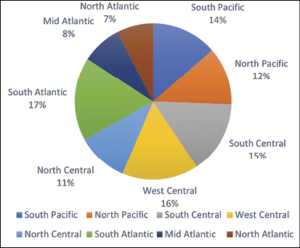
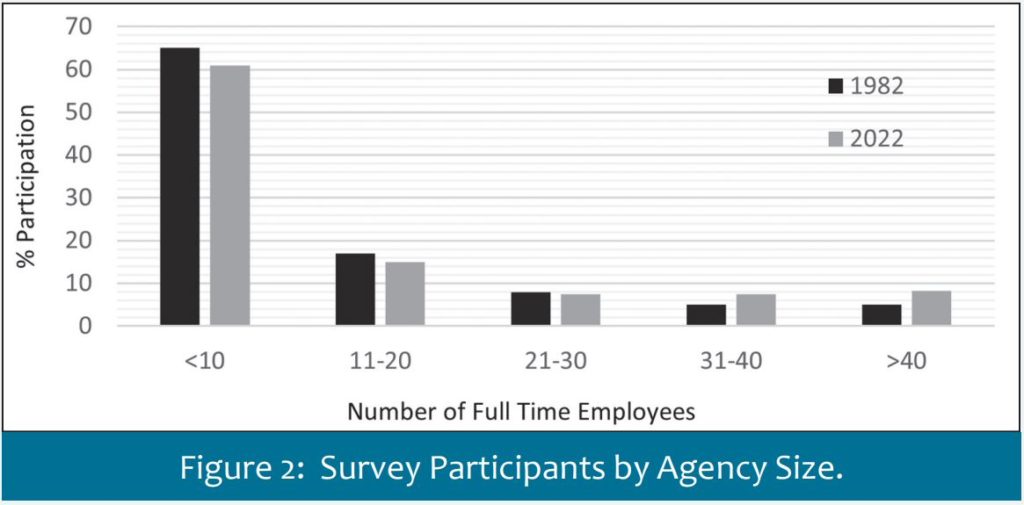
AMCA survey participantsTo examine the state of current public education programs within mosquito control agencies across the United States, we modified Beams 1985 survey and distributed it to 178 agencies across 38 states. Participants were selected for inclusion based on criteria established in the original design (Beams, 1985): inclusion of all geographic regions, and listing in the American Mosquito Control’s Directory of Mosquito Control Agencies (Challet and Keller, 1981). A total of 133 agencies completed the survey (74.7% response rate) with a relatively equal distribution across regions (Figure 1) and agency size across time (Figure 2).

AMCA survey participants

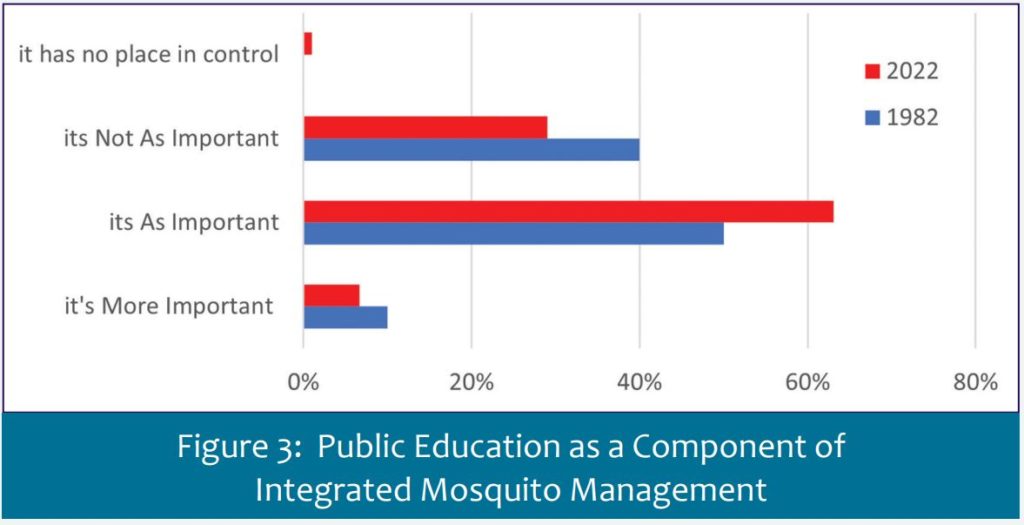
The survey results support an increased focus on public education within mosquito control and note a 10% increase in the number of agencies ranking public education as “more important” or “equally important” than chemical, biological or physical control (Figure 3) in addition to documenting a 300% increase in budget allocation from 1.7% to 5.19% of total operating expenses.

public education as a factor in integrated mosquito management

Despite the increased emphasis on public education as a leading component of Integrated Mosquito Management (IMM) there was little to no change in the number of agencies that make mosquito/vector control information (brochures, leaflets, pamphlets) available to the public (86% in 1982, 85% in 2022), the number of agencies making educational presentations available to the community (85% in 1982, 88% in 2022), or the use of press releases to local new agencies (83% in 1982, 86.5% in 2022).  There was also a decrease in agencies offering facility tours to the public (71% in 1982, 58% in 2022) and regular coverage of agency activities on local news sources (45% in 1982, 38% in 2022).  There has been no change in the number of districts that rank their public education programs as either excellent or good (34% in 1982, 34.5% in 2022) when presented with the following options: excellent, good, fair, poor, variable, and no opinion.

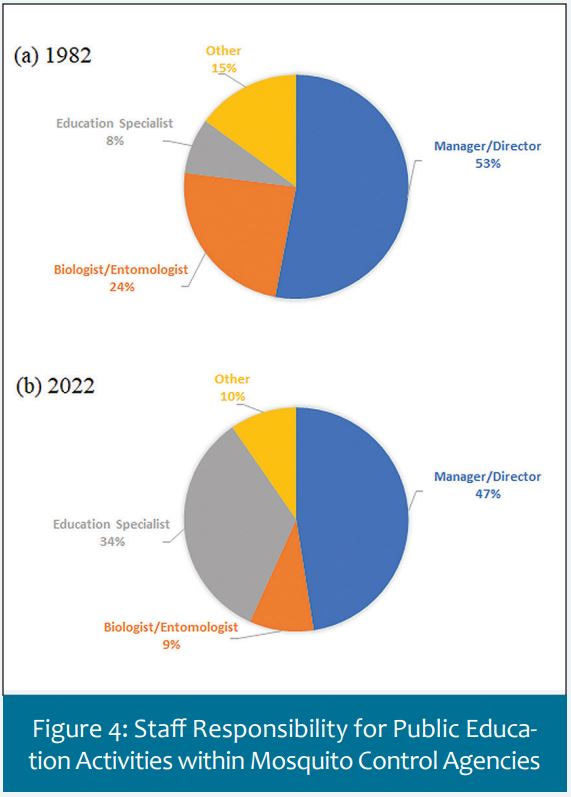
staff responsibility mosquito control public educationOne of the biggest changes identified with public education programs is the organizational level at which responsibilities principally fall (Figure 4). Forty-seven percent of agencies report that their manager/director is primarily responsible for educational activities within their jurisdiction, down from 53% in 1982.  Despite the small change in responsibility for managers/directors, the number of agencies relying on biologists/entomologists for educational outreach decreased from 34% in 1982 to only 9% in 2022. The number of agencies with a specialist focused primarily on education increased from only 8% in 1982 to 34% in 2022, which suggests an increased understanding of the unique skills needed for educational outreach and public relations.

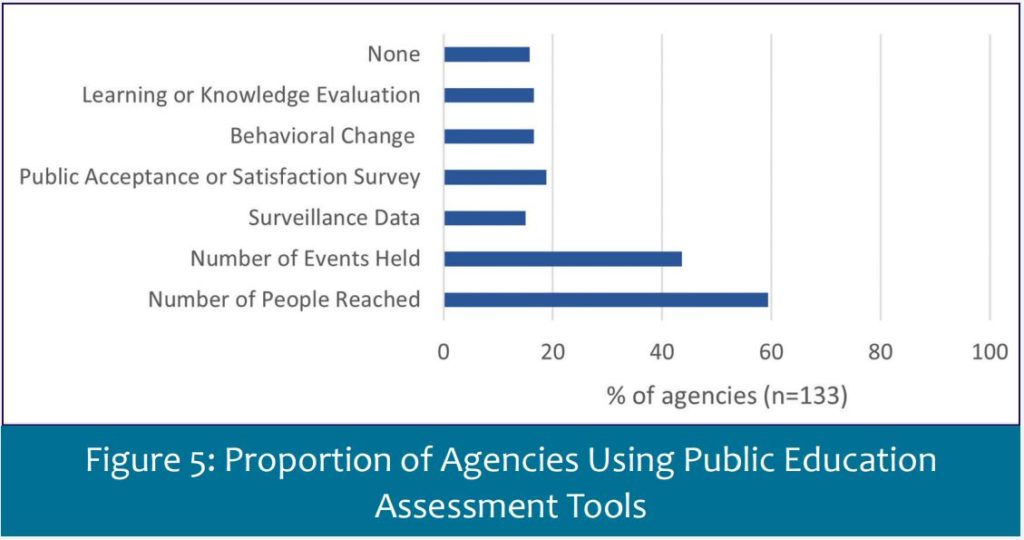
 The agencies surveyed in this study are public, tax-supported organizations with limited funds and the responsibility for protecting public health through management of mosquitoes in a fiscally responsible way. As a data-driven industry, the use of chemical pesticides to control mosquitoes gives rapid, noticeable, and quantifiable results that can be documented with standardized surveillance strategies.  As both the staff and budget allocated toward public education activities continues to increase, we should consider assessment strategies to document their efficacy and usefulness within the IMM framework.  Current strategies for gauging the success of public education activities include measuring the number of people reached via social media (clicks/likes/shares) and the number of outreach events held. However, surveillance data (trap counts/landing rates/service requests), public acceptance, behavioral change (container/house/breteau index), and learning/knowledge evaluations should also be a part of gauging success like the other components of IMM.  Unfortunately, the majority of mosquito control agencies are not using these measurable tools to document the success of their efforts (Figure 5) and only a small fraction of our community is utilizing surveillance-based data or behavioral change to document their public outreach impacts on protecting public health.  
 
agencies using public education assessment tools

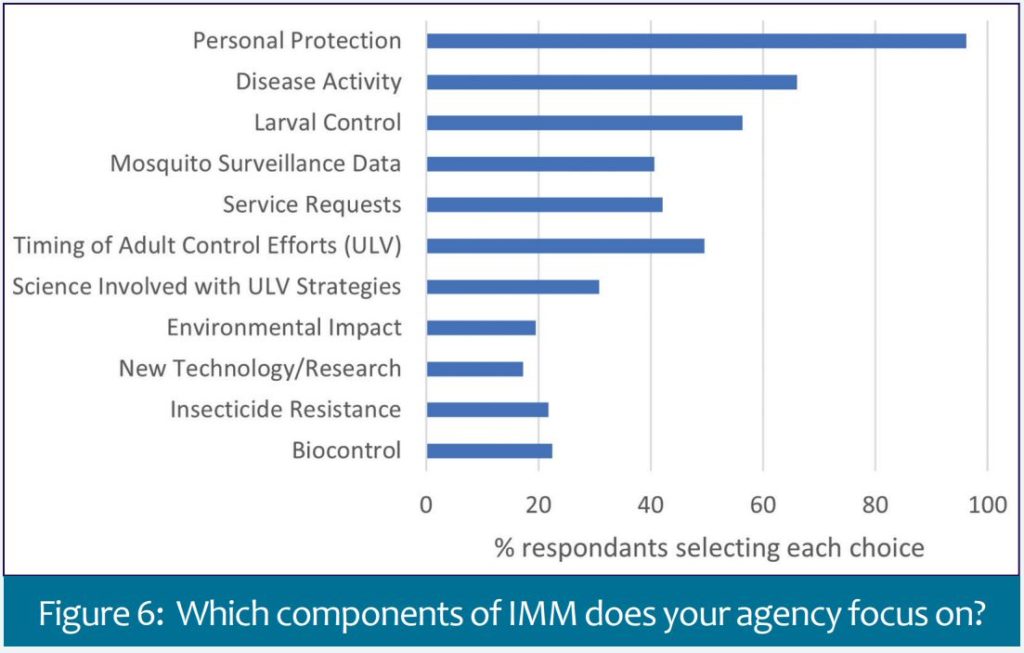
As AMCA works to build a national campaign and reduce the lack of understanding regarding mosquito control, we must remember that Integrated Mosquito Management involves careful consideration of the efficacy, ecological effects, and costs versus benefits of the various options, including public education, legal action, natural and biological control, elimination of breeding sources, and insecticide application. While most respondents (98.2%) focus on personal protective measures (including the use of repellent, avoiding certain times of day, and dressing appropriately), the focus on the other pieces of IMM which are essential to scientifically sound operations is markedly lower. Only 40.6% of agencies put any effort into highlighting surveillance data, 66.1% focus on disease activity and 56.3% focus on larval control suggesting that our industry has room for improvement when it comes to communicating with the public. Wide area applications for controlling adult mosquitoes continue to be scrutinized and it is not surprising to see that only 30.8% of agencies focus on the science behind these intervention strategies.  Less than 25% of respondents spend any time discussing environmental impact, insecticide resistance, biocontrol, or new technologies (Figure 6) which help to ensure the safe and effective use of our limited tools.

components of IMM agency focus

Both CDC and EPA acknowledge chemical control as a component of IMM and necessary tool for reducing the risk of transmission when pathogens are found in adult mosquitoes (Connelly et al., 2020). In areas where sheer number of mosquitoes create quality of life issues, adult mosquito control is not only required, but desired by the public. However, AMCA members often shy away from discussing this important component of IMM due to concerns of backlash from non-governmental organizations and/or anti-pesticide advocacy groups. The best way to counter these concerns is to demonstrate the solid science behind the use of these technologies. Failure to do so allows special interest groups to tell, and frame, the story in a way that may not acknowledge the science behind our efforts and causes a disservice to public health.

Mosquito Control public outreach should discuss ALL of the components of IMM, and the AMCA Public Relations Committee looks forward to developing messages to make this happen.

Contact Us to Learn More About Mosquito Management Public Education

VDCI_Logo_squareSince 1992, Vector Disease Control International (VDCI) has taken pride in providing municipalities, mosquito abatement districts, industrial sites, planned communities, homeowners associations, and golf courses with the tools they need to run effective mosquito control programs. We are determined to protect the public health of the communities in which we operate. Our mosquito control professionals have over 100 years of combined experience in the field of public health, specifically vector disease control. We strive to provide the most effective and scientifically sound mosquito surveillance and control programs possible based on an Integrated Mosquito Management approach recommended by the American Mosquito Control Association (AMCA) and Centers for Disease Control and Prevention (CDC). VDCI is the only company in the country that can manage all aspects of an integrated mosquito management program, from surveillance to disease testing to aerial application in emergency situations.

Adult Mosquito Control Best-Practices

Adult Mosquito Control

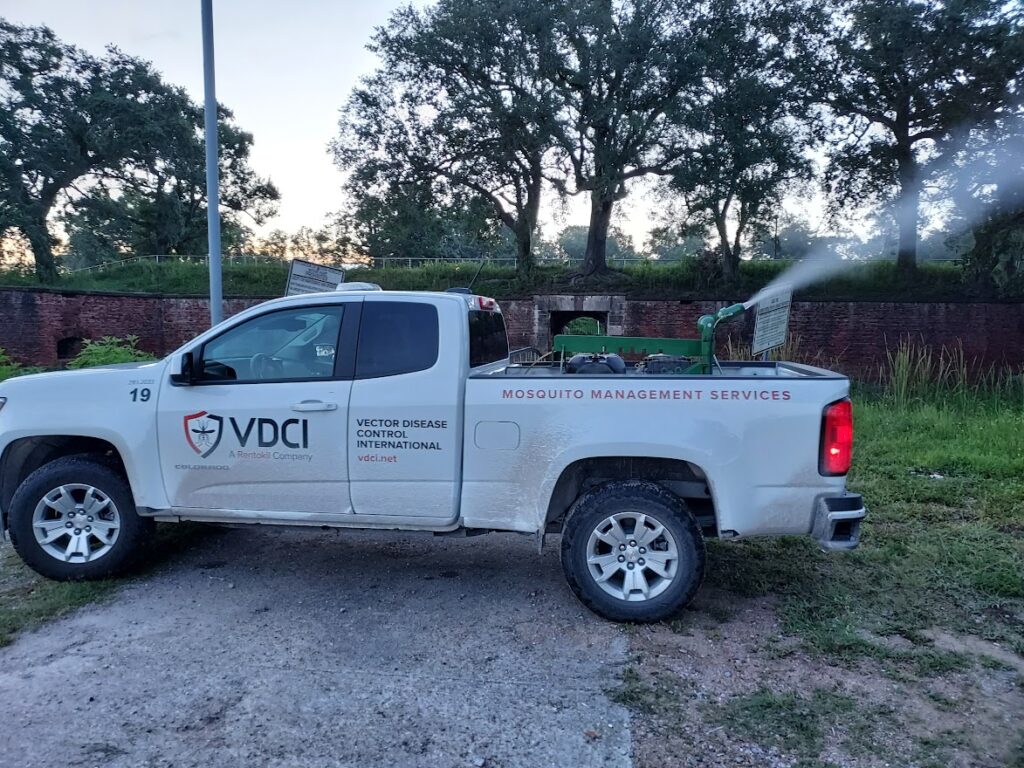
Mosquito populations can get out of hand very quickly. Even in small numbers, mosquitoes can endanger communities by spreading infectious diseases like West Nile virus, Zika, and Yellow Fever. Through professional Integrated Mosquito Management (IMM) programs, experts are able to monitor population levels and take action when thresholds are surpassed. Often, this means applying EPA-registered adulticides through ULV spraying to keep mosquitoes in check using industrial mosquito spray techniques.

These products are an essential part of an environmentally-friendly Integrated Mosquito Management (IMM) program and offer an effective and low-risk solution to helping manage nuisance mosquito populations. Industrial mosquito spray methods are a key component of environmentally-friendly Integrated Mosquito Management (IMM) programs.

What is ULV Mosquito Spraying?​

Truck-spraying-treatment

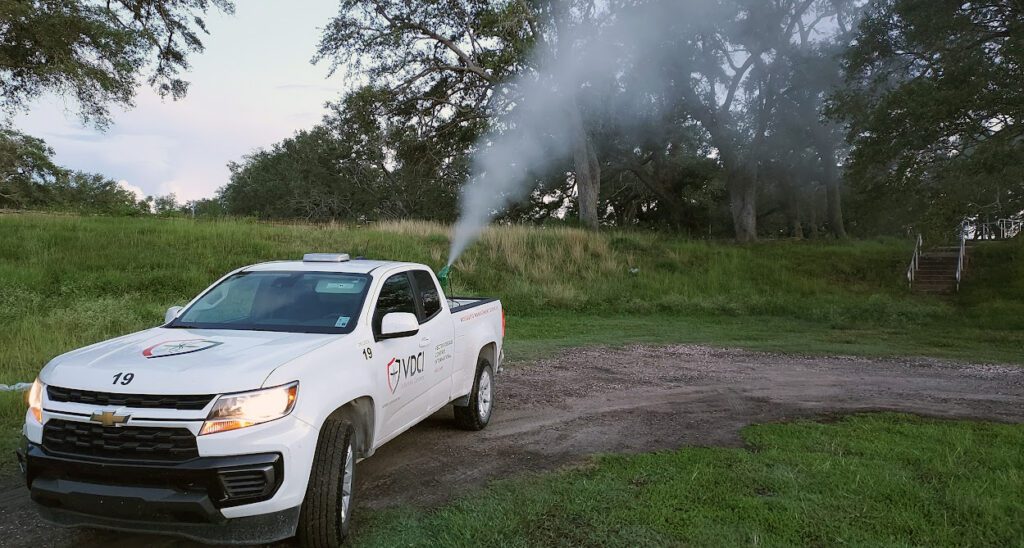
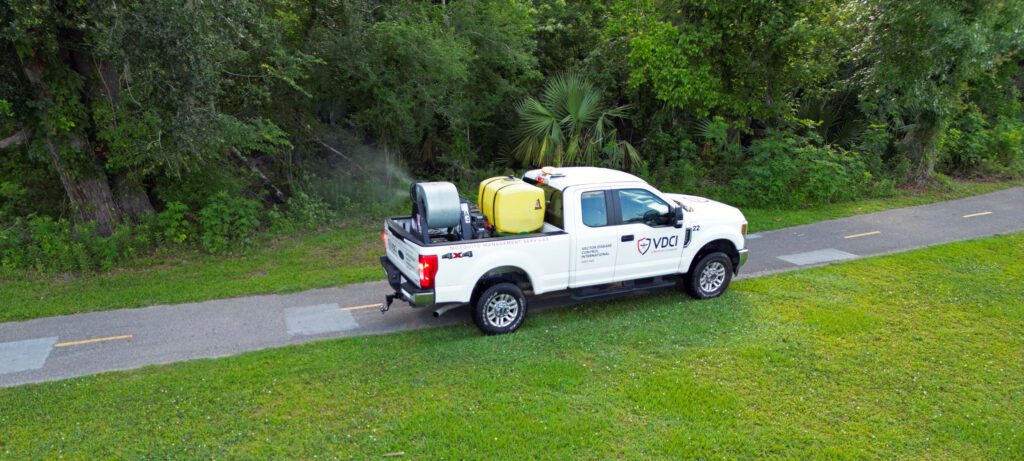
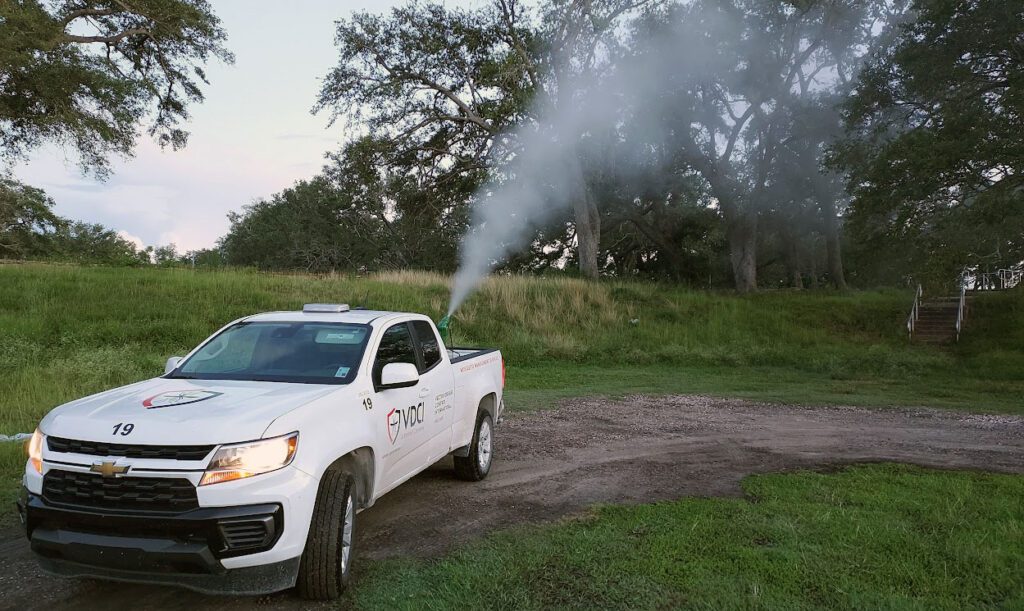
ULV stands for ultra-low volume sprays, a common industrial mosquito spray technique. When applied with ULV equipment via truck, backpack foggers, or plane, adulticides remain suspended in the air as fine aerosol droplets. These droplets kill mosquitoes on contact as they fly through the target area. A primary benefit of ULV sprays is adulticide optimization. Very little product is necessary to treat large areas of land, typically less than one ounce per acre. This industrial mosquito spray method ensures effective coverage with minimal product use. 

Are there any risks to using ULV spraying for mosquito control?

Numerous, peer-reviewed, articles indicate that industrial mosquito spray applications, including ULV spraying, do not pose a significant risk to humans or non-target insects.  In one study (Effects of single and multiple applications of mosquito insecticides on non target arthropods, Davis and Peterson, 2008), the researchers determined that “measurable and persistent biological effects on non-target arthropods, exposed to larvicides and adulticides applied via ULV sprayer would be small.   Also in an article published by the CDC (Human Exposure to Mosquito-Control Pesticides — Mississippi, North Carolina, and Virginia, 2005), the researchers measured the pesticide metabolite concentrations in urine of people pre-and post-application.  And it was determined that “ULV application in mosquito control activities did not result in substantial pesticide exposure to humans”.  In contrast, they were able to show an “association between home and/or work application of pesticides and pesticide metabolite concentrations”. In other words, individuals are far more likely to have pesticide exposure from home and work-related uses of pesticides than from ULV mosquito control efforts. 

In another study (A Human-Health Risk Assessment for West Nile Virus and Insecticides Used in Mosquito Management, Peterson et al., 2006), the researchers state, “Results from our risk assessment and the current weight of scientific evidence indicate that human-health risks from residential exposure to mosquito insecticides are low and are not likely to exceed levels of concern. Further, our results indicate that, based on human health criteria, the risks from WNV exceed the risks from exposure to mosquito insecticides.” This work is extremely important, as they were able to determine that the risk of adverse health impacts from contracting WNV is greater than the risk of health impacts from the pesticides used to control WNV vectors.  This is just a small sample of the published scientific literature regarding the potential harmful effects of our mosquito control applications.

These findings reinforce the safety and necessity of industrial mosquito spray efforts in public health applications.

ULV Spraying as Part of a Professional IMM Program ​

truck spraying adulticide

Industrial mosquito spray applications using adulticides are an effective and necessary tool to combat mosquito populations. When applied as part of an IMM program, the products are also utilized alongside other important strategies, including larval control, public education, and surveillance and disease testing. These solutions help make adulticide industrial mosquito spray applications more impactful while supporting more long-lasting results.

Professionals lean on the data compiled during surveillance and disease testing to inform their decision to intervene. Surveillance data is gathered through weekly trapping, and different types of traps can be used depending on the species that are being monitored. Once collected, each mosquito is identified and examined for disease. Understanding the unique species bionomics and disease threat helps professionals determine ULV spraying needs. Using science allows professionals to spray the right amount, at the right place, at the right time.

Using Technology to Guide Targeted ULV Mosquito Spraying

arcmap_bigger

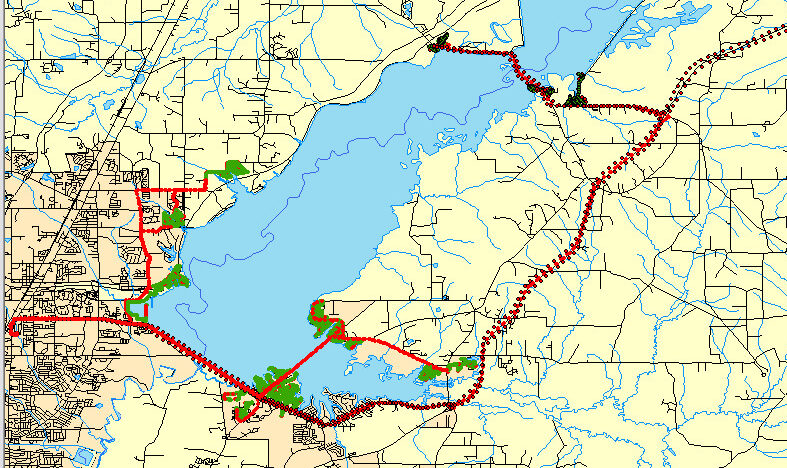
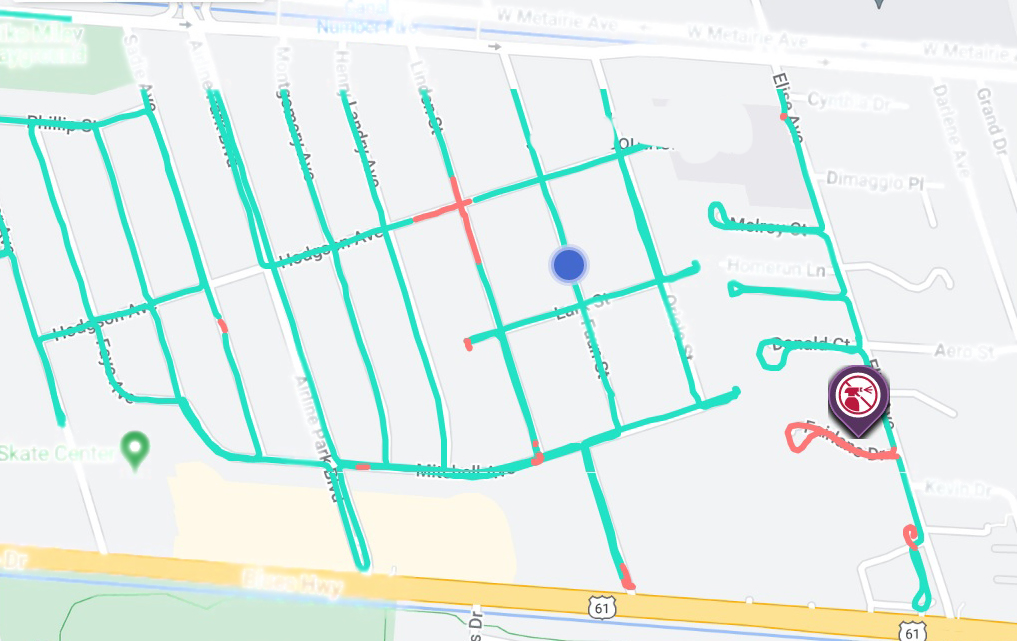
During the application process, GPS technologies play an important role. GPS tracking units create spray maps to help ensure even product coverage. This information can also be shared with the public. For successful control in large communities, ULV spray applications may be paired with residual “barrier” treatments via backpack applicators near homes and areas where mosquitoes tend to concentrate. Industrial mosquito spray equipment, such as trucks and aerial systems, can also be used to target adult mosquitoes across large areas of land.

How VDCI Utilizes ULV Spraying for Safe Mosquito Control Applications

When used as part of a comprehensive Integrated Mosquito Management program, ULV spraying, an industrial mosquito spray solution, is a necessary and highly effective method for reestablishing mosquito populations to more manageable levels. These tools and solutions can provide more long-lasting protection and reduce the risk of insecticide resistance. VDCI is committed to choosing strategies that support our goal to protect people, preserve the environment, and maximize the impact of our essential adulticide products. 

We own and operate the nation’s most robust fleet of industrial mosquito spray trucks, backpack sprayers, and aircraft dedicated to mosquito management and prevention. State entities, municipalities, and other community groups can rest assured that all equipment is properly calibrated and maintained to dispense proper droplet sizes at appropriate rates to achieve the highest level of mosquito control possible.

Contact Our Experts​​

Fill out the form below or call our experts at 866.977.6964 so that they can help you develop a custom IMM program to meet your community’s needs.

VDCI_Logo_squareSince 1992, Vector Disease Control International (VDCI) has taken pride in providing municipalities, mosquito abatement districts, industrial sites, planned communities, homeowners associations, and golf courses with the tools they need to run effective mosquito control programs. We are determined to protect the public health of the communities in which we operate. Our mosquito control professionals have over 100 years of combined experience in the field of public health, specifically vector disease control. We strive to provide the most effective and scientifically sound mosquito surveillance and control programs possible based on an Integrated Mosquito Management approach recommended by the American Mosquito Control Association (AMCA) and Centers for Disease Control and Prevention (CDC). VDCI is the only company in the country that can manage all aspects of an integrated mosquito management program, from surveillance to disease testing to aerial application in emergency situations.
Myths About Mosquito Control

bat house hanging on tree

Debunking Ineffective Mosquito Control Methods

Are you part of a municipality, mosquito abatement district, planned community, homeowners association, or military base that has received several phone calls from residents seeking relief this mosquito season? The VDCI team is here to help!

Implementing an integrated mosquito management program is essential to helping reduce nuisance populations and prevent mosquito bites that could transmit many serious vector-borne diseases. Before we outline our recommended 4-prong approach to target all phases of the mosquito’s life cycle, we would like to provide you and your residents with the facts on a few DIY methods of mosquito control.

BUG ZAPPER

Almost two million homeowners have turned to the use of ultraviolet or black light electrocutors to zap their residental mosquito problems, but do they work? No!

Researchers have found that while these traps do attract and kill thousands of insects every night, mosquitoes are a very small percentage of the bugs killed. In fact, mosquitoes comprised only 6.4% of a five-day insect catch. Not only was the mosquito population a small percentage of all insects killed during this particular study, but only half of the mosquitoes were females. Only female mosquitoes are blood-feeding and will bite humans.

MISTING SYSTEMS

Installed residential misting systems have been a hot topic in recent years. Buyer beware: There are numerous concerns with these systems which include, but are not limited to, un-needed or over pesticide application, negative impact on non-target beneficial insect populations, development of pesticide resistance as well as many other concerns. The American Mosquito Control Association (AMCA) has taken a stance against these misting systems until there has been more research and efficacy testing done. Read more on the AMCA’s apprehension to support this method of mosquito control here.

BATS

Attract bats to your backyard with a bat-roost box and you have effectively created an environment to manage mosquitoes. Right? Wrong!

Studies have shown that while bats devour a huge number of insects, mosquitoes are only a small part of their diet. A study of fecal pellets of bats in Indiana conducted throughout an entire summer revealed that the primary food items were beetles, moths, and leafhoppers. A very small number of mosquitoes (0.7%) were found in the stomachs of bats in another study. Bats are “selective opportunists” when it comes to their feeding habits, and they will take a variety of prey. Why take a scrawny little mosquito when you can have a fat juicy moth? Unfortunately, mosquitoes are just not a significant part of their diet. The evidence from stomach analysis and feces examination does not justify the hypothesis that insectivorous bats focus on particular types of insects.

Don’t forget to consider that creating a bat habit large enough to rid you of those irritating mosquitoes may trade a mosquito problem for a bat problem!

CITROSA PLANTS

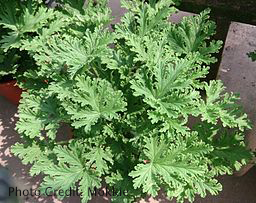
Many plants are commonly thought to repel mosquitoes. The citrosa plant, marketed as a mosquito plant, is believed to have been created by crossing tissue cultures of an African Germanium with the Grass of China that contains citronella oil. Citronella oil is an active ingredient in mosquito-repellent candles; however, while the smoke from the candles will repel a few mosquitoes itself, it has very little to do with the citronella. In fact, some researchers believe that the only way the citrosa plant can release the citronella oil is to crush the plant. No studies are available to support the idea that the citrosa plant or any other plant repels mosquitoes strongly enough to improve human comfort.

Effective Mosquito Management

The most effective way to control mosquitoes is through an Integrated Mosquito Management program. VDCI recommends a 4-pronged approach for communities, municipalities, mosquito abatement districts, industrial sites, planned communities, homeowners associations, military bases, and golf courses to target all phases of the mosquito’s life cycle:

1: Public Education

person-showing-protection-plan

Community understanding of how to properly eliminate mosquito breeding habitat and take personal protective measures is critical. Furthermore, distribution of educational pieces is important for treating symptoms and aids public health officials in identifying problem areas.

2: Surveillance

person-hanging-trap-mosquito

In order to understand the risk and address the threat appropriately, it is critical to determine the mosquito distribution, density, and species composition throughout the target area. Surveillance will also provide direct evidence of an increased transmission risk of vector-borne diseases such as West Nile virusZika virusDengue, and Chikungunya.

3: Larval Mosquito Control

When mosquito larvae are detected in an area, trained and experienced ground crews reduce breeding habitat when possible, then preferentially apply Bacillus thuringiensis var israelensis (Bti) to remaining areas of standing water, stagnant pools, and water-holding containers. Aerial and ground application of larvicide via ULV equipment can provide control in hard to reach container habitats.

4: Adult Mosquito Control


VDCI recommends targeted ultra low volume (ULV) applications when larviciding efforts are not sufficient to combat mosquito levels.  For direct control in residential areas, targeted ULV applications can be combined with residual “barrier” treatments via backpack applicators to mosquito harborage areas near homes and other structures.  In addition, truck and aerial ULV applications can be utilized across wide-areas to reduce the adult mosquito population.  These treatments should be performed based on surveillance data which includes mosquito populations and presence of disease. When combined with our larvicide efforts, these methods have proven highly effective at significantly reducing local populations of the target mosquitoes.

Contact Us to Learn More About Effective Mosquito Management Strategies:

VDCI_Logo_squareSince 1992, Vector Disease Control International (VDCI) has taken pride in providing municipalities, mosquito abatement districts, industrial sites, planned communities, homeowners associations, and golf courses with the tools they need to run effective mosquito control programs. We are determined to protect the public health of the communities in which we operate. Our mosquito control professionals have over 100 years of combined experience in the field of public health, specifically vector disease control. We strive to provide the most effective and scientifically sound mosquito surveillance and control programs possible based on an Integrated Mosquito Management approach recommended by the American Mosquito Control Association (AMCA) and Centers for Disease Control and Prevention (CDC). VDCI is the only company in the country that can manage all aspects of an integrated mosquito management program, from surveillance to disease testing to aerial application in emergency situations.

Adulticiding: Applications for Effective Mosquito Control

truck spraying mosquito adulticide

Utilizing Science and Technology to Manage Mosquitoes

Although surveillance and larviciding should be the first steps in any mosquito control program, the control of adult mosquito populations is a critical component of an integrated mosquito management effort. People often associate adult mosquito control with “truck spraying.” While a truck-mounted sprayer is often the delivery mechanism of choice, there are several other aspects you should take into account. Below are seven considerations for anyone considering an adulticide application.

1. Know the Target Mosquito

Surveillance of mosquito populations is critical for an effective adult mosquito control application. Surveillance allows us to understand not only the number of mosquitoes present but also the distribution of species in a given area. Culex mosquitoes fly at certain times of night (depending on the geography, temperature, and daylight) and are more susceptible to certain types of products. An Anopheles mosquito can behave quite differently and might require a different product or application rate. In summary, there are many decisions to make when considering an application for adult mosquito control and the first piece of information to understand when making those decisions is the species of mosquito that one is targeting.

mosquito technician looking at test sample in microscope

2. Know the Label

The label is the law and must be followed at all times. In addition to providing safety and handling information, the label outlines the proper application rate for the product. Based on the range of application rates, one must determine at what label rate he/she wishes to make the application. Different label rates are appropriate in different environmental situations for different species and even different densities.

3. Variable Flow Control

In the old days of mosquito control, application equipment generally had only one flow rate. In other words, the same amount of product was applied whether a truck was driving at 5 miles per hour or 15 miles per hour. Since it is difficult to drive one speed at all times, this resulted in inconsistent application rates. Thankfully, today’s technology allows mosquito control professionals to adjust the flow rate of their application equipment based on the speed of the truck. In fact, this happens automatically based on GPS information. The speed of the truck is fed into the application equipment, which then automatically adjusts its pump speed, resulting in variable flow rates. This has three main benefits:

a.  Consistent application rates. This technology ensures you are applying at the desired rate.
b.  Environmentally sustainable. Variable flow ensures that we are not over-applying product. On the same note, it also ensures that we are not under-applying product, which can lead to mosquito resistance.
c.  By ensuring you are applying according to label rates, variable flow technology ensures you are performing your adult mosquito control application according to the label requirements.

truck spraying mosquito adulticide

4. Calibration of Spray Equipment

Due to regular “wear and tear,” equipment can adjust over time. It is important to regularly calibrate your application equipment. For example, if your flow rate is set at 5 ounces per minute, you must regularly confirm that the equipment is dispensing product at that rate. One must pick the desired flow rate based on the label and the target mosquito. Before any application, you should confirm that the equipment is indeed calibrated for the exact flow rate you would like to achieve. Once the flow rate is calibrated, the variable flow process ensures that the properly calibrated amount of product is applied (see above).

5. Droplet Characterization

Similar to calibrating the flow rate of a machine, you should ensure that the equipment is producing droplets of product that are perfectly sized for mosquito control. Droplets that are too small will not kill the mosquito and can even lead to resistance. On the other hand, droplets that are too large will not drift through the target area and fall to the ground, not having any affect at all on the mosquito population either. Furthermore, proper droplet size can help to minimize the effects on non-target and beneficial insect populations. Droplet characterization requires advanced equipment to determine the size of each droplet your equipment is producing.

6. GPS Monitoring

All adult mosquito control applications should be monitored using GPS technology. This technology allows you to see the status of the application equipment (on or off) and the amount of product that was applied. In addition, GPS monitoring can allow for ‘spray maps’ to be created, which can be a good communication tool for the public and help to ensure that intended target areas were evenly covered.

7. Record Keeping

Maintaining data is a critical component of any Integrated Mosquito Management program and this is no different when it comes to adult mosquito control. Paper records should be considered an absolute minimum; ideally, a database of some kind is utilized to maintain application records.

Build An Effective Mosquito Control Program

A critical component of any Integrated Mosquito Management program is adult mosquito control. A successful adult control program should be one of the primary pillars for controlling nuisance and disease-vectoring mosquitoes. If you are not spraying at the right time, in the right place, and with the right flow rate, your effectiveness will be greatly reduced. There are many considerations to ensure an effective program, but you can contact a professional applicator at Vector Disease Control International (VDCI) with additional questions or to set up your community or business’ mosquito control program today

Contact Us to Learn More About Effective Mosquito Prevention Strategies:

VDCI_Logo_square Since 1992, Vector Disease Control International (VDCI) has taken pride in providing municipalities, mosquito abatement districts, industrial sites, planned communities, homeowners associations, and golf courses with the tools they need to run effective mosquito control programs. We are determined to protect the public health of the communities in which we operate. Our mosquito control professionals have over 100 years of combined experience in the field of public health, specifically vector disease control. We strive to provide the most effective and scientifically sound mosquito surveillance and control programs possible based on an Integrated Mosquito Management approach recommended by the American Mosquito Control Association (AMCA) and Centers for Disease Control and Prevention (CDC). VDCI is the only company in the country that can manage all aspects of an integrated mosquito management program, from surveillance to disease testing to aerial application in emergency situations.