How Urbanization Impacts the Mosquito Population

What Communities Can Do to Control Mosquito Breeding in Urban Areas

Urban development changes the natural landscape, and while the effects on native plants and wildlife are often discussed, these conversations rarely include mosquitoes. It’s important to understand that whenever environmental conditions shift, mosquito dynamics can also change. And when mosquito dynamics change, new public health risks may emerge.

Hundreds of mosquito species can be found around the globe, each of which are adapted to specific ecological niches. Some, such as “tree-hole” mosquitoes, are typically found in undisturbed, forested areas where they rely on wildlife for blood meals. Others thrive in well-populated urban areas. These mosquitoes breed in standing water that collects in small artificial containers like plant saucers, old tires, outdoor pet bowls, clogged gutters, buckets, and even bottle caps.

It’s Not About More Mosquitoes — Just Different Ones

It’s natural to assume that urban development causes mosquitoes to move from cities into rural areas, or vice versa. In reality, urbanization tends to reduce the presence of mosquitoes adapted to rural and sylvatic (forests) environments while creating ideal conditions for species that thrive near humans. This shift doesn’t necessarily result in more mosquitoes overall, but it does increase populations of species that are likely to bite humans, causing viruses to spread more widely and rapidly.

Here are some mosquito species and diseases city residents should be aware of:

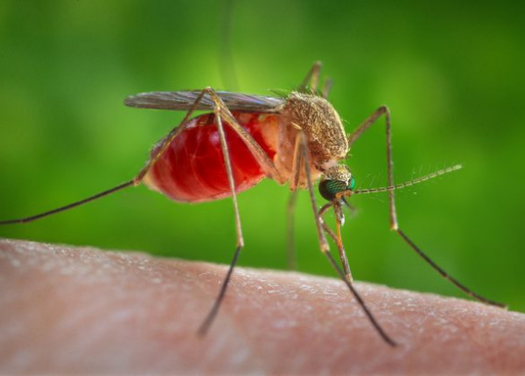
Culex quinquefasciatus is the primary vector of the most widespread disease in the country, West Nile virus (WNv). Culex quinquefasciatus can also serve as a secondary vector for Oropouche virus (OROV). OROV has been primarily isolated in South American countries like Brazil and Peru since the 1960s, but has spread significantly in a short period. Since 2024, over 120 cases have been identified in the U.S., likely due to travel-related exposure1.

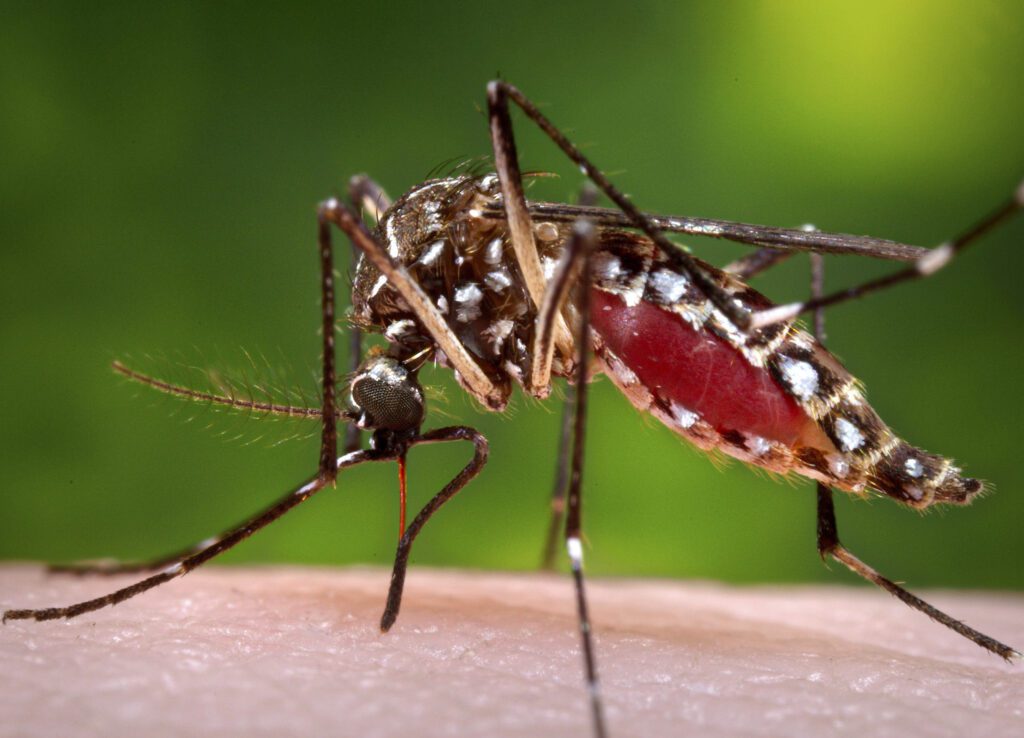
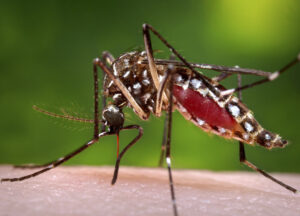
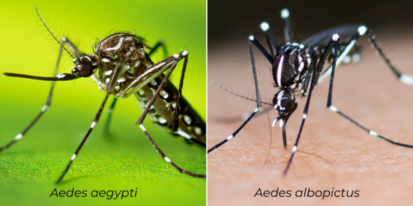
Other urban mosquitoes, including Aedes aegypti and Aedes albopictus, feed primarily on humans. They search for bloodmeals during the day when humans are most active, and are highly efficient vectors of diseases such as dengue, Zika, and chikungunya.

The 4Ds: Protect Yourself from Dangerous Mosquitoes

Whether you live in an urban or rural area, it’s important to protect yourself from biting mosquitoes by practicing the “4 D’s.”

DEFEND

   Use an EPA-approved repellent

   Protect pets with heartworm prevention

DRESS

     Wear light-colored, loose-fitting clothes and closed-toe shoes.

     Apply repellent to exposed skin on hands, ankles, neck, and face.

DRAIN

     Eliminate mosquito breeding sites by emptying standing water in buckets, birdbaths, tarps, plant saucers, and other containers.

     Ensure gutters, flower pots, rain barrels, and stormwater systems drain properly.

DUSK & DAWN

     Limit outdoor activity when mosquitoes are most active - Urban mosquitoes typically feed at dawn and dusk and rest in shaded, cool areas during the day.

Planning Ahead to Protect Public Health

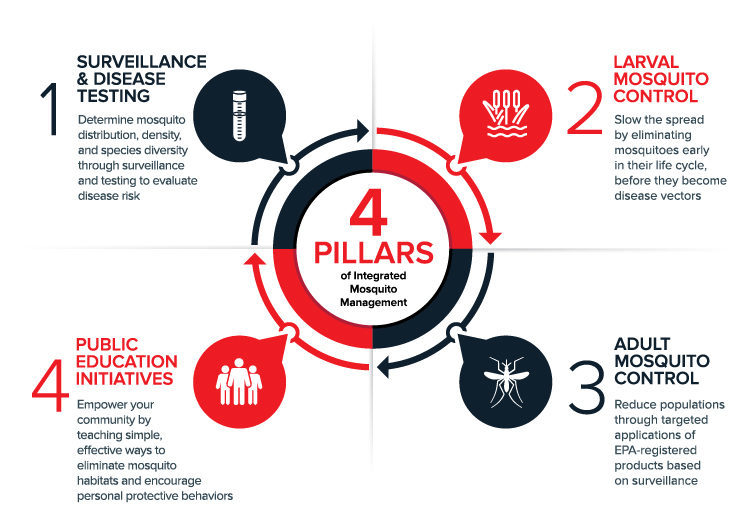
Personal protection goes hand in hand with an Integrated Mosquito Management (IMM) program. These programs are designed to monitor changes in mosquito populations, identify new disease threats, and initiate targeted solutions. Surveillance and disease testing, larval and adult mosquito control, and public education are core pillars of an effective IMM program. Every city and region is different, which is why IMM programs are tailored based on goals, budgets, risk levels, and many other factors.

In many areas, urban development is only accelerating, but with proper planning, communities can stay ahead of mosquito-related threats as landscapes and populations change.

1 Why Is Oropouche Spreading so Fast? | Medscape, published May 19, 2025

YouTube player

Contact Our Experts

Complete the form below or call us at 800-413-4445 to speak to an expert about your mosquito management needs.
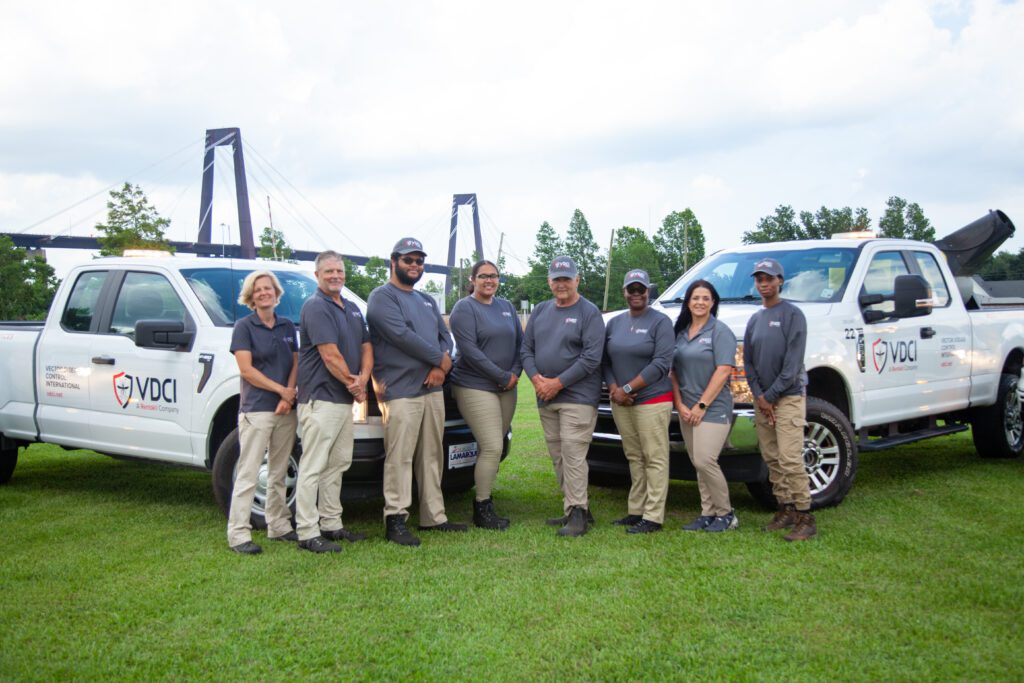
VDCI_Logo_squareSince 1992, Vector Disease Control International (VDCI) has taken pride in providing municipalities, mosquito abatement districts, industrial sites, planned communities, homeowners associations, and golf courses with the tools they need to run effective mosquito control programs. We are determined to protect the public health of the communities in which we operate. Our mosquito control professionals have over 100 years of combined experience in the field of public health, specifically vector disease control. We strive to provide the most effective and scientifically sound mosquito surveillance and control programs possible based on an Integrated Mosquito Management approach recommended by the American Mosquito Control Association (AMCA) and Centers for Disease Control and Prevention (CDC). VDCI is the only company in the country that can manage all aspects of an integrated mosquito management program, from surveillance to disease testing to aerial application in emergency situations.

Are Mosquito Control Programs Different from County to County or City to City?

Why Mosquito Control Programs Differ Across Communities

To those less familiar with mosquito control, it might seem straightforward. However, mosquito management approaches can vary widely from county to county and city to city. Whether a mosquito program is managed in-house by city or county departments such as public works or environmental services, or outsourced to contractors like VDCI, there’s no one-size-fits-all approach.

Each jurisdiction designs its program around many factors, including local mosquito species, community populations, surrounding geography, community management goals and desires, and available budget. The products and methods used for controlling mosquitoes can also vary greatly. Decisions are guided by the targeted mosquito species, their unique behaviors, and scientific analysis of resistance mechanisms within the local mosquito population. These insights help determine which control products will be most effective and whether ground-based, aerial, or a combination of methods should be used.

Matching Application Methods to Environments

The targeted mosquito species also influences whether ground-based methods are sufficient or if aerial applications are necessary for effective control. Some salt-marsh species like Aedes sollicitans and Aedes taeniorhynchus are strong flyers capable of traveling several miles from their breeding grounds. Others, such as the Asian tiger mosquito (Aedes albopictus), stay much closer to home—typically within 50 meters of small, artificial containers like buckets, flower saucers, pet bowls, and clogged gutters, often found in urban settings.

Furthermore, each city and county faces its own set of operational and environmental challenges that shape how mosquito control is approached. Terrain, climate, and the types of mosquitoes present can differ significantly, even within the same state. For instance, the coastal marshes of eastern Virginia can face very different challenges than the mountainous landscapes in the western part of the state. These distinctions play a critical role in shaping program design.

Challenges Facing Public Mosquito Programs

While many jurisdictions have sophisticated mosquito management programs and employ experienced entomologists and experts, others simply lack the resources. Some may be limited by budgets, insufficient manpower, or competing priorities. For example, mosquito control may take a backseat to urgent infrastructure issues like road repairs or sewer maintenance. Incorporation status can also influence coverage. Some unincorporated areas may be excluded from county-managed programs, leading to gaps in mosquito control.

Bridging the Gap with Specialized Teams

Contractors like VDCI can step in to bridge these gaps. Unlike municipal staff who often juggle multiple responsibilities, our team of experienced technicians and entomologists is solely dedicated to mosquito management. We stay current on emerging technologies, maintain required certifications, and continuously invest in specialized training. This focus allows us to respond quickly and strategically when mosquito threats arise. Meanwhile, some city or county employees may struggle to keep up with credentialing requirements or respond as swiftly amid competing demands.

Programs Designed Around Your Community’s Needs

No matter your level of need, VDCI has the technical expertise to run or support your program and collaborate with local leaders and stakeholders. Our Integrated Mosquito Management (IMM) programs are designed around each jurisdiction’s specific goals and budget. Essential strategies like surveillance, disease testing, and larval and adult mosquito control, and public education can be adapted as needed to keep your community safe. Together, we can develop a program that meets your immediate needs and remains effective over time.

YouTube player

Contact Our Experts

Complete the form below or call us at 800-413-4445 to speak to an expert about your mosquito management needs.

VDCI_Logo_squareSince 1992, Vector Disease Control International (VDCI) has taken pride in providing municipalities, mosquito abatement districts, industrial sites, planned communities, homeowners associations, and golf courses with the tools they need to run effective mosquito control programs. We are determined to protect the public health of the communities in which we operate. Our mosquito control professionals have over 100 years of combined experience in the field of public health, specifically vector disease control. We strive to provide the most effective and scientifically sound mosquito surveillance and control programs possible based on an Integrated Mosquito Management approach recommended by the American Mosquito Control Association (AMCA) and Centers for Disease Control and Prevention (CDC). VDCI is the only company in the country that can manage all aspects of an integrated mosquito management program, from surveillance to disease testing to aerial application in emergency situations.
What’s Your Community’s Action Threshold? Knowing When to Spray for Mosquitoes

Know When to Spray for Mosquitoes with Action Thresholds

There is no one-size-fits-all approach to responsibly and effectively managing mosquitoes. Every jurisdiction faces unique challenges that may be influenced by community desires, budgetary constraints, prevalent mosquito species, disease risks, and local environmental factors. To optimally address these challenges and safeguard public health while minimizing the risk of insecticide resistance, professionals rely on action thresholds.

Action thresholds serve as critical benchmarks in an Integrated Mosquito Management (IMM) program. They represent the tipping point at which control measures become necessary to reduce the potential of mosquito-borne diseases, nuisance mosquito populations, or prevent a particular species from reaching levels that pose a significant risk to public health. Action thresholds are not arbitrary; they are meticulously tailored to the specific goals and characteristics of each jurisdiction.

What does it take to develop action thresholds?

Developing action thresholds involves a multidisciplinary approach that integrates scientific expertise with local knowledge and community input. Entomologists, government leaders, and public health officials collaborate to assess various factors, such as mosquito abundance, disease prevalence, ecological dynamics, and human population density. Through comprehensive mosquito surveillance, disease monitoring, and data analysis, mosquito experts identify thresholds that signal the need for targeted control interventions.

Aerial Spraying Malcom 8

One of the primary objectives of employing action thresholds is to ensure the judicious and effective deployment of mosquito control products. Over-reliance on insecticides without regard for action thresholds can accelerate the development of insecticide resistance among mosquito populations, causing control measures to lose their effectiveness over time. Applying insecticides only when mosquito populations exceed predetermined thresholds or if a particular species or disease is present can reduce insecticide resistance and prolong the efficacy of available insecticides – with the ultimate goal of limiting the environmental impact. 

Action thresholds also enable authorities to prioritize locations most in need of intervention. By strategically focusing resources on areas where mosquito populations pose the greatest risk to public health, interventions can be more impactful. This facilitates funds, time, and manpower to be utilized more effectively. Moreover, this limits unnecessary insecticide applications, ensuring our actions are environmentally responsible and prudent. 

The Importance of Community Engagement In Mosquito Management

vdci-education-public

Furthermore, action thresholds serve as a valuable tool for community engagement and communication. By transparently communicating the rationale behind mosquito control decisions and their thresholds, authorities can foster trust and cooperation within the community. Empowering residents with this knowledge also encourages participation in preventive measures and promotes a shared responsibility for mosquito control.

Action thresholds play a vital role in effective mosquito management by providing clear guidelines for intervention based on scientific evidence and community-specific factors. By employing targeted interventions only when and where they are needed, authorities can optimize the allocation of resources, limit environmental impacts, and safeguard the health, happiness, and well-being of the public.

Contact Our Experts

Complete the form below or call us at 800-413-4445 to speak to an expert about your mosquito management needs.

VDCI_Logo_squareSince 1992, Vector Disease Control International (VDCI) has taken pride in providing municipalities, mosquito abatement districts, industrial sites, planned communities, homeowners associations, and golf courses with the tools they need to run effective mosquito control programs. We are determined to protect the public health of the communities in which we operate. Our mosquito control professionals have over 100 years of combined experience in the field of public health, specifically vector disease control. We strive to provide the most effective and scientifically sound mosquito surveillance and control programs possible based on an Integrated Mosquito Management approach recommended by the American Mosquito Control Association (AMCA) and Centers for Disease Control and Prevention (CDC). VDCI is the only company in the country that can manage all aspects of an integrated mosquito management program, from surveillance to disease testing to aerial application in emergency situations.

Mosquito Populations in a Changing World

Aedes_aegypti_Adult_Mosquitoes

Understanding How Mosquito Species and Human Activity Influence Management Strategies

In the world of mosquitoes, change is a constant. From competition between mosquito species to the profound impact of human activities, an intricate web of factors can shape mosquito populations. By understanding these dynamics, we can more effectively reduce the spread of mosquito-borne diseases and preserve public health. 

Clsoe-up-mosquito

Competing Mosquito Species

Mosquito populations are remarkably diverse, and in some cases, multiple species can coexist alongside one another. However, competition between species is common, with different species vying for the same resources, prey, or breeding sites. For example, the Asian Tiger mosquito (Aedes albopictus) has demonstrated its competitive advantage over Aedes japonicus in artificial container environments by outcompeting its counterpart in securing essential food resources within larval habitats and exhibiting superior overwintering survival rates.

Furthermore, such competition can lead to behavioral changes, as exemplified by the unique mating activity or “satyrization” that has been documented between Aedes aegypti and Aedes albopictus. While the displacement mechanism between these two species remains unknown, scientists cite mating interference, larval resource competition, and climatic factors as likely contributing factors.

As the density and distribution of mosquito species shift, so does the geographic range of diseases they transmit. For instance, the introduction of Aedes aegypti to new areas can result in the spread of dengue and yellow fever, which may have been absent from those regions. Conversely, a decrease in the prevalence of Aedes aegypti in a given area might reduce the transmission of the pathogens they carry. However, another disease-carrying mosquito species may fill this niche.

Such interactions between mosquito species highlight the intricate and ever-changing nature of mosquito populations, where even unusual species dynamics can have significant implications for species distribution and disease transmission.

Human Influence

Urban development and changes in land use may also impact mosquito habitats. The construction of cities and infrastructure may create artificial breeding sites, encouraging the proliferation of mosquito species that are most adapted to these environments.

Moreover, human activities like travel and trade play a prominent role in the spread of mosquito species and changes in population dynamics. The movement of people and goods across the globe has inadvertently led to the introduction of exotic mosquito species to non-native habitats. For example, Aedes albopictus eggs were imported to California via lucky bamboo plants and to Houston via infested retread tires. Backyards and patios became micro-habitats for these disease-carrying species. Today, the species can be found throughout parts of Southern California and many other states across the country.

Travel and trade may also explain recent malaria cases that have been documented in Florida, Texas, Maryland and Arkansas. Malaria was common throughout the United States until being eradicated by the early 1950s. However, the malaria vector responsible for the recent cases in Arkansas and Texas, Anopheles quadrimaculatus, is found throughout the Southeastern United States. Additionally, the malaria vector responsible for the recent cases in Florida, Anopheles crucians, is found throughout the entire Easter US. Therefore, malaria can be re-introduced to regions by individuals who are infected with the disease-carrying parasite. When a mosquito that is capable of transmitting the parasite bites an infected person, it ingests the malaria parasites contained in the person’s blood. These parasites then develop and multiply within the mosquito’s body and travel to the salivary glands of the mosquito. Subsequently, when the same mosquito bites another person, it injects these parasites into the new host’s bloodstream, potentially infecting them with malaria.

This chain of transmission underscores the importance of not only addressing the presence of infected individuals, but also the role of local mosquito species in facilitating the spread of the disease.

person-showing-protection-plan

Management and Prevention

Adapting to evolving mosquito populations is paramount in disease prevention. Managing these ever-changing populations demands a multidisciplinary approach encompassing surveillance, data collection, disease monitoring, and government coordination.

Community education is also essential to protect public health. A more comprehensive defense against mosquito-borne diseases can be established by engaging local communities to reduce mosquito breeding sites and observe personal protective measures.

Ultimately, examining shifting mosquito populations highlights the complex array of factors driving these shifts. By understanding these dynamics, we gain insights into how to adapt and enhance our defense against mosquito-borne diseases for better public health.

Contact Us to Build Your Mosquito Management Program:

VDCI_Logo_squareSince 1992, Vector Disease Control International (VDCI) has taken pride in providing municipalities, mosquito abatement districts, industrial sites, planned communities, homeowners associations, and golf courses with the tools they need to run effective mosquito control programs. We are determined to protect the public health of the communities in which we operate. Our mosquito control professionals have over 100 years of combined experience in the field of public health, specifically vector disease control. We strive to provide the most effective and scientifically sound mosquito surveillance and control programs possible based on an Integrated Mosquito Management approach recommended by the American Mosquito Control Association (AMCA) and Centers for Disease Control and Prevention (CDC). VDCI is the only company in the country that can manage all aspects of an integrated mosquito management program, from surveillance to disease testing to aerial application in emergency situations.
It’s Never Too Early to Start Planning for Mosquito Control

government-leader-building-mosquito-management-program

Plan Ahead for Effective Mosquito Management

As the weather cools and mosquitoes become less active, it may be tempting to let concerns about nuisance mosquitoes and the threat of mosquito-borne diseases take a back seat. However, now is the perfect time to plan for the coming new year. By taking proactive measures and partnering with organizations like VDCI, states, cities, local municipalities, and mosquito abatement districts can be better prepared to tackle the mosquito threat head-on, helping to ensure that our communities remain safe and can enjoy the outdoors when mosquitoes return.

Family-walking-next-lake

The Consequences of Delayed Mosquito Control

It’s not uncommon for decision-makers to wait until Spring or early in the year to address mosquito control and vector-borne disease mitigation efforts. Unfortunately, this can cause mosquito management programs to fall short when they’re needed most. Mosquitoes can quickly develop, and without proactive and diligent intervention, they can rapidly overwhelm your communities. Not to mention, an increase in mosquito activity equates to an increased threat of dangerous diseases such as West Nile Virus, Zika, yellow fever, Eastern equine encephalitis, and dengue.

The consequences of a delayed mosquito response can be severe. Outbreaks of mosquito-borne diseases can cause public health emergencies, widespread panic, and degrade trust in government leaders. Moreover, disease outbreaks can have economic consequences by deterring tourism and leading to unplanned expenditures. Not to mention, mosquitoes are a nuisance. Their itchy bites can make the outdoors unbearable, especially at dusk and dawn when they are most active.

The Importance of Proactive Planning for Mosquito Control

public-education-mosquito-management

Planning well in advance is crucial to avoid the pitfalls of a reactive mosquito control approach. By partnering with mosquito control professionals who emphasize science-backed programs to protect public health, stakeholders can build Integrated Mosquito Management (IMM) programs to inhibit mosquito development and help ensure disease threats are quickly detected.

Tailoring Mosquito Management Plans to Your Community

Creating a successful mosquito management plan begins by engaging with stakeholders to understand their management goals, concerns, and budgets to help ensure optimal resource allocation. Mosquito control experts evaluate in-house capabilities and identify areas requiring external support, such as mosquito surveillance, aerial insecticide applications, or disease testing. This comprehensive planning approach helps ensure programs are tailored to the unique community needs while fostering collaboration among all relevant stakeholders.

Setting Action Thresholds for Effective Mosquito Control

Another crucial component of the planning process involves establishing mosquito control action thresholds. These thresholds are preset to determine the acceptable level of mosquito abundance, activity, or disease risk prior to intervention control measures, helping to ensure that communities maximize funding, reduce unnecessary insecticide applications, and manage insecticide resistance by optimizing insecticide use. The implementation of scientifically tailored action thresholds is vital to promoting optimum mosquito control strategies and streamlined cooperation among stakeholders.

Partnering with VDCI for Mosquito Control Solutions

Once you have considered your resources and determined goals for mosquito management, VDCI is ready to support you in any way, whether it’s running a complete IMM or supporting an existing program. Through an IMM program, stakeholders can access advanced tools for surveillance and data collection to understand mosquito dynamics and identify trends or changes that occur over time. VDCI’s IMM approach involves targeting each mosquito life cycle stage while educating the public through strategic partnerships with government leaders, public health organizations, and local community groups. By partnering with VDCI, communities can have peace of mind when warm weather returns and enjoy the outdoors.

Plan Ahead for Mosquito's Return

Ultimately, while the cooling weather may provide temporary relief from mosquitoes, it’s vital not to become complacent. An integrated approach to mosquito control and disease prevention not only safeguards public health but also demonstrates a genuine commitment to residents that fosters trust in local leadership. Contact the mosquito management experts today to start planning for the upcoming mosquito season.

Contact Us to Build Your Mosquito Management Program:

VDCI_Logo_squareSince 1992, Vector Disease Control International (VDCI) has taken pride in providing municipalities, mosquito abatement districts, industrial sites, planned communities, homeowners associations, and golf courses with the tools they need to run effective mosquito control programs. We are determined to protect the public health of the communities in which we operate. Our mosquito control professionals have over 100 years of combined experience in the field of public health, specifically vector disease control. We strive to provide the most effective and scientifically sound mosquito surveillance and control programs possible based on an Integrated Mosquito Management approach recommended by the American Mosquito Control Association (AMCA) and Centers for Disease Control and Prevention (CDC). VDCI is the only company in the country that can manage all aspects of an integrated mosquito management program, from surveillance to disease testing to aerial application in emergency situations.

How cold is too cold for mosquitoes?

winter-by-lake

Where Do Mosquitoes Go in the Winter?

Mosquitoes are tiny yet annoying (and in some cases deadly) insects that have thrived across the globe for millions of years, even through multiple ice ages. But where do mosquitoes go in the winter? Their resilience can be credited to two different survival adaptations – diapause and quiescence. Through diapause, blood-feeding females become dormant, similar to hibernation, by decreasing their metabolic activity. Through quiescence, adult populations die off but their eggs remain dormant until activated by favorable temperatures. So, how cold is too cold for mosquitoes? At what temperatures do mosquitoes enter and emerge from these states of dormancy? By understanding the delicate balance between temperature and mosquito activity, we can take steps to prevent them before warm weather returns.

Understanding Mosquito Temperature Tolerance

Mosquitoes are ectothermic, or cold-blooded, meaning they rely on external temperatures to regulate their body temperature. Their activity, feeding, and reproduction are all closely tied to the temperature of the surrounding environment. 

Mosquitoes become less active when temperatures consistently drop below 50°F. As the metabolic processes slow in females, they are less capable of seeking blood meals. Mosquito larvae development will also be interrupted. Though some species are more cold tolerant than others, most will perish or enter diapause once temperatures fall below 32°F, which answers the question, “how cold is too cold for mosquitoes?”

How Mosquito Temperature Tolerance Affects Mosquito Management

Considering the cold tolerance of mosquitoes is essential when designing effective mosquito control programs. Professionals may implement a variety of control strategies to prevent mosquito reproduction as temperatures rise and limit their impact on the public once summer is in full swing. 

This starts with eliminating breeding sites. Through surveillance and mapping, experts identify standing water sources and other environments where mosquitoes are likely to propagate. EPA-registered larvacides can be proactively applied at high-risk areas to prevent larvae from maturing into adults. Public education can also help community members identify and eliminate potential habitats on their own properties, as well as employ best practices for personal protection from mosquitoes.

In addition, strategic mosquito trapping allows experts to assess population dynamics, reproductive behaviors, signs of insecticide resistance, and potential disease threats. If needed, intervention can take place through the use of EPA-registered adulticides, which may be applied via backpack or vehicle sprayers, commercial drones, or aircraft. Communities often establish action thresholds that dictate exactly when and how to intervene, helping to ensure a successful outcome. 

While mosquito activity decreases as the temperature drops, mosquitoes will inevitably come back as temperatures rise again.  Community members deserve to enjoy warm weather unhindered by biting mosquitoes and the potential of disease transmission. In the never-ending battle against mosquitoes, it’s crucial to target them at every stage of their lifecycle – from eggs to breeding adults. VDCI partners with states, municipalities, mosquito abatement districts, and public health organizations to execute Integrated Mosquito Management Programs that keep mosquitoes at bay as soon as they emerge in search of their first blood meal of the season.  

Contact Us to Build Your Mosquito Management Program:

VDCI_Logo_squareSince 1992, Vector Disease Control International (VDCI) has taken pride in providing municipalities, mosquito abatement districts, industrial sites, planned communities, homeowners associations, and golf courses with the tools they need to run effective mosquito control programs. We are determined to protect the public health of the communities in which we operate. Our mosquito control professionals have over 100 years of combined experience in the field of public health, specifically vector disease control. We strive to provide the most effective and scientifically sound mosquito surveillance and control programs possible based on an Integrated Mosquito Management approach recommended by the American Mosquito Control Association (AMCA) and Centers for Disease Control and Prevention (CDC). VDCI is the only company in the country that can manage all aspects of an integrated mosquito management program, from surveillance to disease testing to aerial application in emergency situations.

Public Health Pesticides For Mosquito Control: A Higher Standard

Are Mosquito Control Pesticides Safe?

Pesticides are vital tools for the management of disease-carrying mosquitoes. Climate change, urban development, and severe weather events are making the world more hospitable to mosquitoes that spread West Nile virus, Zika, Eastern Equine Encephalitis, Dengue, and other deadly diseases. Though proactive management is essential for the protection of our communities, pesticides are an important component of an integrated mosquito management program. Understanding how pesticides are developed and incorporated into mosquito management programs is key to ensuring they work safely and effectively in our times of greatest need.

As a mosquito management company with a mission to protect public health, VDCI only uses pesticides that meet all federal guidelines and are registered with the Environmental Protection Agency (EPA) and state agencies for that specific purpose. The process of developing and registering a pesticide product can be lengthy and complex, but helps ensure that products work as intended without unreasonable adverse effects on humans or the environment, including endangered species, non-target insects, plants, ground water, and the food supply.

Truck-spraying-treatment

Before a pesticide can be registered for public health purposes, it must undergo extensive testing to determine its safety and effectiveness in controlling mosquitoes. This research is typically conducted by the manufacturer or a third-party testing facility and can take several years to complete. All information pertaining to the pesticide, its chemical composition, proposed use, and safety data is evaluated by the EPA to identify the product’s benefits and potential risks:

  • ​Aggregate risks – through food, water, and residential uses
  • Cumulative risks – from different pesticides with the same effects
  • Occupational risks – to those applying the product during their work

As part of this process, additional testing or data collection may be required. Once the pesticide has been deemed safe and effective for mosquito control, it will be published in the Federal Register and issued a label number with precise specifications and precautions for product use. The EPA will continue to monitor its impact and performance through periodic reviews and inspections. If any safety concerns arise, the product’s registration may be revoked, or it may require additional labeling or testing.

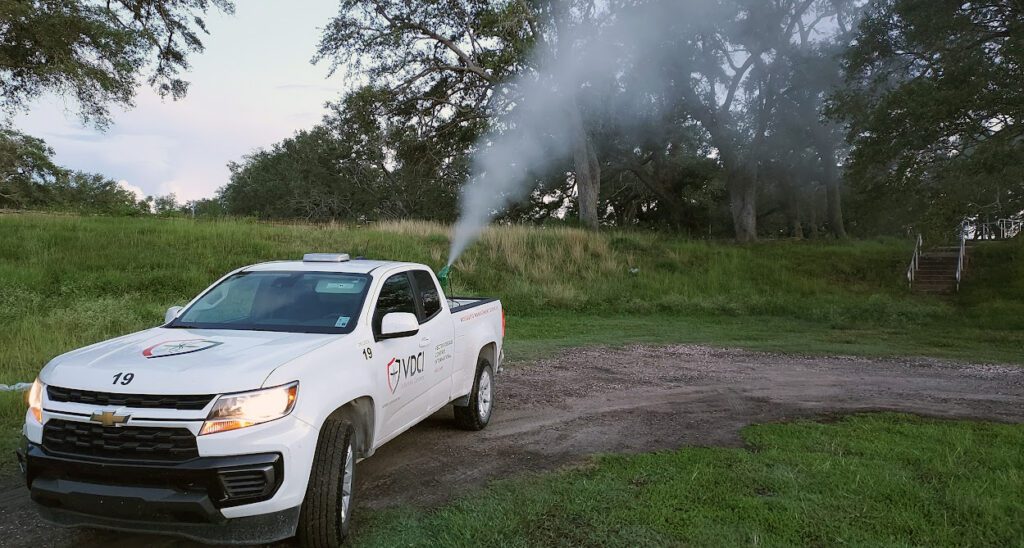
Following label guidelines is a crucial aspect of pesticide safety. Many of the products used in mosquito control can only be applied by licensed professionals with the appropriate training and equipment, such as ULV (ultra-low volume) sprayers, aircraft, or GPS-guided drones. These technologies help optimize pesticide use, allowing for just one ounce of product per acre to be applied. Experts also have access to multiple pesticide products, each of which contain different active ingredients and may require unique application methods or frequencies, so understanding label specifications and taking into account proper timing is essential.

Government leaders are tasked with the challenging job of protecting the public from nuisance mosquitoes as well as the threat of disease transmission, but sometimes citizens have reservations about the use of pesticides in their communities. VDCI strives to minimize product applications by incorporating a variety of safe, environmentally responsible techniques under one program. 

scientist-looking-at-dip-cups

Laws and regulations around pesticide use are incredibly stringent, and VDCI is committed to driving new techniques and innovations that make pesticide applications even more safe, efficient, and long-lasting. Though mosquitoes are a problem that will not be solved any time soon, government leaders and their community members can rest assured that their safety is the foremost priority of an IMM program.

Through an integrated approach, professionals work to identify and removing mosquito breeding habitats, target mosquitoes at the larval stage, and continually monitor for the presence of disease. Pesticides are only used when pre-determined disease or population thresholds are met.

Safety is at the center of everything we do, which is why public education also remains a central pillar of Integrated Mosquito Management (IMM) programs. When government leaders choose to partner with a mosquito control company focused on protecting public health, they ensure their community members have access to the latest mosquito management resources for mosquito prevention and personal protection from mosquito-borne diseases. VDCI regularly collaborates with health departments, mosquito abatement districts, schools, libraries, and other public organizations to disseminate pertinent information, including real-time updates about mosquito dynamics and scheduled treatments in the local area.

Contact Us to Learn More About Effective Mosquito Management Strategies:

VDCI_Logo_squareSince 1992, Vector Disease Control International (VDCI) has taken pride in providing municipalities, mosquito abatement districts, industrial sites, planned communities, homeowners associations, and golf courses with the tools they need to run effective mosquito control programs. We are determined to protect the public health of the communities in which we operate. Our mosquito control professionals have over 100 years of combined experience in the field of public health, specifically vector disease control. We strive to provide the most effective and scientifically sound mosquito surveillance and control programs possible based on an Integrated Mosquito Management approach recommended by the American Mosquito Control Association (AMCA) and Centers for Disease Control and Prevention (CDC). VDCI is the only company in the country that can manage all aspects of an integrated mosquito management program, from surveillance to disease testing to aerial application in emergency situations.
Aerial Mosquito Spraying and How We Make It Safe

plane-flying-in-air

Exploring Aerial Applications for Effective Mosquito Control

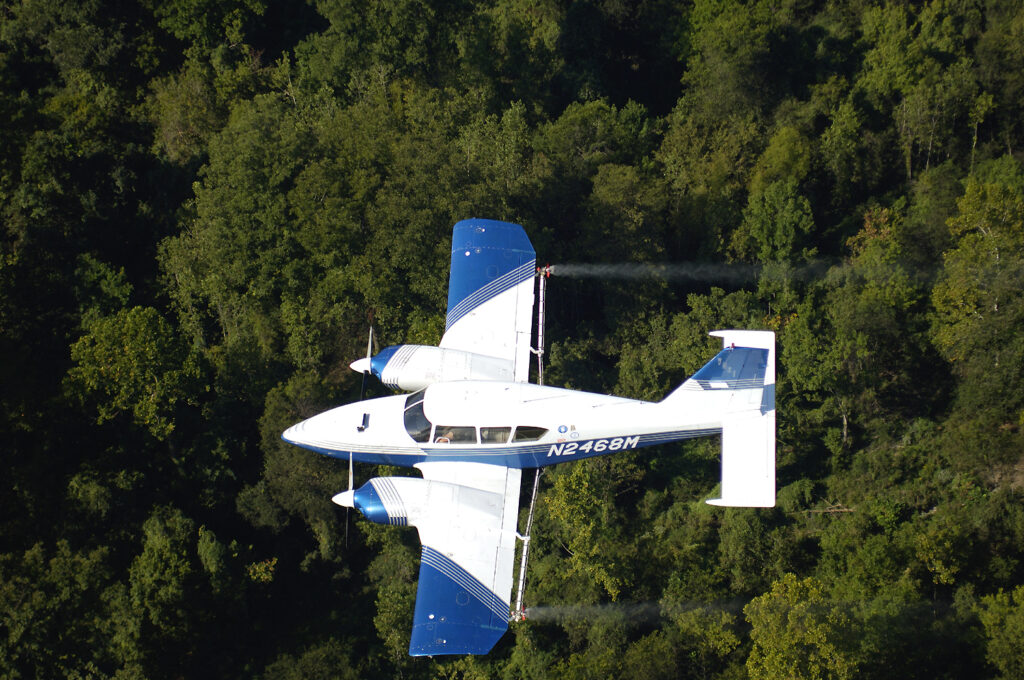
As one of the most widespread threats to the health and well-being of our communities, mosquitoes require careful monitoring and management to prevent the spread of West Nile virus, Yellow Fever, Zika, Eastern Equine Encephalitis, and other dangerous diseases. Insecticides, when applied by professionals, are a low-risk and often necessary tool in these efforts. When mosquito populations reach dangerous or unacceptable levels across an entire community or county, insecticides can be applied across targeted swaths of land by specialized aerial fleets. A key part of these missions is preserving the safety of residents and native wildlife by adopting tools and techniques that limit the deposition of pesticides and target mosquitoes during peak activity. 

Residents rely on state and municipal leaders to make decisions that protect the quality of life in their communities. This extends to choosing the right mosquito management partner. Mosquito management companies with an emphasis on protecting public health, like VDCI, use an integrated mosquito management approach that ensures insecticides are used as safely and efficiently as possible. This means applying products only when and where they are needed, and taking great steps to prevent insecticide resistance – so mosquitoes remain susceptible to the lowest levels of product as possible. 

Two-people-in-lab-working

Conduct Mosquito Surveillance for More Accurate Management Decisions

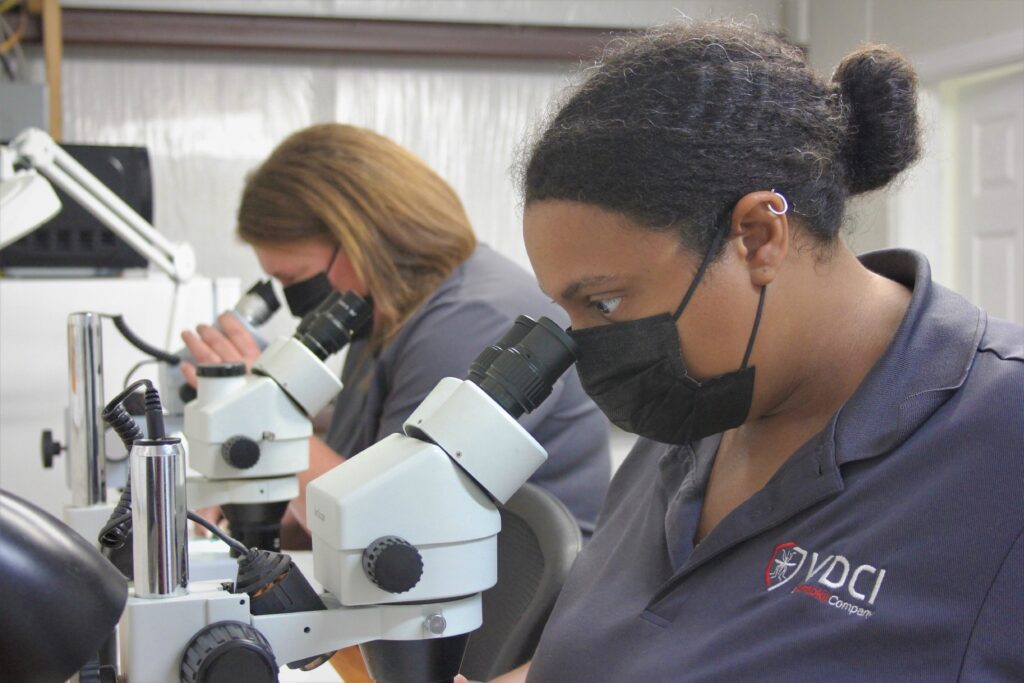
Effective and safe mosquito management begins with surveillance and monitoring. From the start of mosquito season, experts closely monitor for population and disease surges using specialized traps, lab tests, and species identification techniques. This information can be used to create detailed maps of a region outlining potential areas of concern, mosquito activity patterns, and product recommendations. If predetermined disease or population thresholds are met, aircraft may be deployed to conduct aerial insecticide applications.

Executing Safe and Effective Aerial Mosquito Spraying

Timing is key for aerial mosquito spraying. Weather conditions can have a significant impact on the safety and effectiveness of a mission. For example, large gusts of wind can transport product to non-target areas. Temperature fluctuations can also require altitude adjustments to ensure optimal product dispersion. VDCI utilizes advanced meteorological software to determine the right window of time to act. Once airborne, integrated GPS tracking units, GIS systems, and an onboard meteorological probe allow pilots to spray precise areas while monitoring for environmental changes and tracking exact droplet size and product levels for maximum efficiency. 

vdci-plane-from-hanger-3
plane-in-hanger-edited

Insecticides are designed to target the unique physical or biological mechanisms in a mosquito without negatively impacting other species or humans. All insecticides used by VDCI are registered with the Environmental Protection Agency (EPA) and applied according to label guidelines to protect the well-being of the public and the environment. The EPA regulates not only the quantity of chemicals applied but also use frequency, droplet size and density to ensure the most effective treatment possible. prevention. 

Capabilities of Aerial Mosquito Spraying

Each aircraft is capable of spraying more than 10,000 acres per load, or 50,000 acres during an overnight mission. All data is generated into a detailed report for stakeholders and the public. This is followed by post-flight monitoring to evaluate the effectiveness of the application and monitor for signs of insecticide resistance, and determine present threat levels. If needed, insecticide dosing may be adjusted or rotated out for a more effective product. Through accurate mapping and data reporting, mosquito management experts can maintain regulatory compliance, streamline permitting requirements, and keep stakeholders informed with real-time knowledge. 

Training and regulatory compliance are integral to the safety of an aerial spraying mission. All VDCI pilots are licensed pesticide applicators and authorized through the Federal Aviation Administration (FAA) in maintenance procedures, airspace regulations, and coordination with aviation agencies. This is particularly important for missions in proximity to FAA-controlled airspace. Establishing a line of communication with local control towers safeguards pilots and prevents dangerous airspace congestion. 

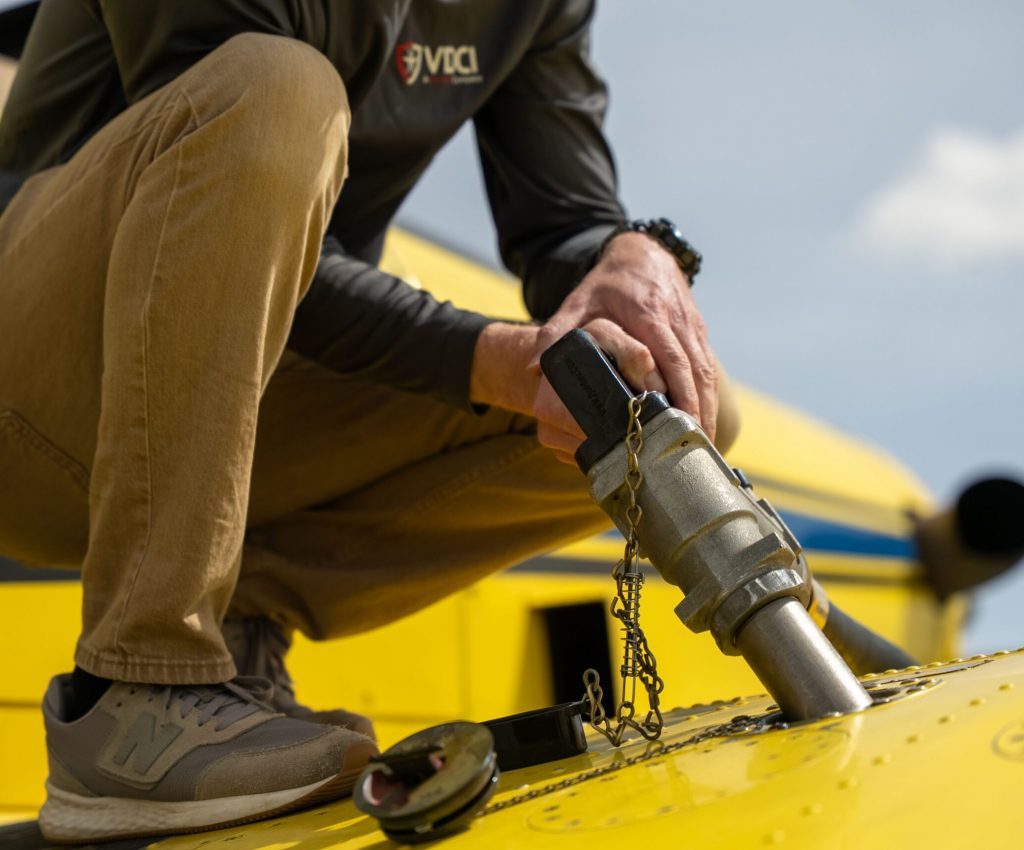
fueling-plane-edited

Communicate Aerial Mosquito Management Missions with Citizens

Communication is central to the safety and success of a mosquito control mission. In addition to communication with state authorities and municipal leaders, this includes ongoing contact with the public. Aerial missions, in particular, can get a lot of attention and lead to questions from residents who want to know, “are there aerial mosquito spraying dangers?” VDCI regularly partners with local organizations, including health departments, libraries, and schools to disseminate informative resources and updates to ease any concerns and to also educate residents about ways to stay safe and prevent the spread of mosquito-borne diseases.

Proactively Manage Mosquitoes with an IMM Program

While insecticides are a low-risk and reliable solution to eliminate adult mosquitoes, prevention is key. As part of an integrated mosquito management program, VDCI emphasises surveillance and disease testing as well as larval mosquito control (eliminating mosquitoes prior to them becoming adults). Citizens can also do their part to help fight the bite. Circulating or draining standing water found in bird baths, flower planters, water gardens, buckets, and other outdoor containers will help limit breeding habitats. The public can support professional monitoring and surveillance initiatives in their community by reporting signs of mosquito activity in their local jurisdiction and allowing traps to be set near their properties for data collection. 

family-having-picnic

Everyone deserves to feel at ease when spending time outdoors. VDCI prioritizes protecting people and the environment by maximizing the impact of adulticide products on dangerous mosquito populations. Whether by ground or by air, we ensure proper calibration and maintenance for effective mosquito management. Our expertise in aerial application is an asset for government and private entities, and includes any level of support for in-house mosquito efforts or stand-alone management programs.

Contact Us to Learn More About Effective Mosquito Prevention Strategies:

VDCI_Logo_square Since 1992, Vector Disease Control International (VDCI) has taken pride in providing municipalities, mosquito abatement districts, industrial sites, planned communities, homeowners associations, and golf courses with the tools they need to run effective mosquito control programs. We are determined to protect the public health of the communities in which we operate. Our mosquito control professionals have over 100 years of combined experience in the field of public health, specifically vector disease control. We strive to provide the most effective and scientifically sound mosquito surveillance and control programs possible based on an Integrated Mosquito Management approach recommended by the American Mosquito Control Association (AMCA) and Centers for Disease Control and Prevention (CDC). VDCI is the only company in the country that can manage all aspects of an integrated mosquito management program, from surveillance to disease testing to aerial application in emergency situations.
Debunking Myths: Bats for Effective Mosquito Control

Eastern Small Footed Bat

Written by:
Michael “Doc” Weissmann, Ph.D., VDCI Entomologist

Co-Written by:
Dr. Louise Lynch-O’Brien of the University of Nebraska at Lincoln

Though mosquitoes are considered the most dangerous species in the world, they are more widely known as one of the most annoying. For thousands of years, humans have sought out solutions and techniques to thwart mosquitoes when spending time outdoors – some effective, some not. While modern scientific advancements have provided us the tools and knowledge to manage mosquitoes more safely and effectively than ever before, dozens of old wives’ tales still persist. One of the most common misconceptions centers around bats.

Bats can consume up to 1,000 mosquitoes in an hour, right? This “fact” is often presented as a primary reason to promote bat conservation. In more extreme instances, some activists claim that installing bat boxes in a neighborhood will lead to successful mosquito control and prevent people from contracting mosquito-borne illnesses like West Nile virus.

Eastern Small Footed BatThe claim likely originated from a study published in 1960 about how certain bats use echolocation to detect and capture small insects (Griffin et al. 1960). As part of the study, Donald Griffin and colleagues at Harvard University photographed little brown bats (Myotis lucifugus) and Eastern small-footed bats (M. leibii) preying on mosquitos (Culex quinquefasciatus) placed together in a room measuring (2.44 m. wide by 4.88 m. long by 2.44 m. tall (8 ft. wide by 16 ft. long by 8 ft. high). Only a small fraction of the bats (less than 10%) demonstrated prey capture behavior when released into the room that initially contained approximately 2000 mosquitoes, but the study focused on these “good catchers.” Again, this was a study on prey capture technique, not prey quantity.

Based on the amount of weight gained by the bats during each trial, the researchers estimated the number of mosquitoes consumed on average during that period. The study began with 2,000 mosquitoes for the initial trial, but they were not able to replenish the mosquito population to that same level during subsequent trials. The “champion catcher” was an individual M. leibii that was recorded to consume an average of 9.5 mosquitoes per minute during the 15-minute trial. It is summarized in the paper with the statement, “This bat was thus catching about ten mosquitoes per minute or one every six seconds.” Note that this was the highest rate recorded during the study, with all other capture rates being significantly less.

Since that publication, others have quoted this statement out of context, and used it to extrapolate numbers to greater time periods. Ten mosquitoes per minute becomes 600 mosquitoes in an hour. Just as the 9.5 mosquitoes per minute was rounded to 10, the 600 mosquitoes per hour is usually generously rounded up to 1000. Over an 8-hour mid-summer night, that would be 8,000 mosquitoes per night, or more than 2.9 million mosquitoes in a year, or nearly 117 million mosquitoes over a 40-year lifespan – just for one bat! Very impressive.

Is this kind of extrapolation justified? It assumes that the “champion catcher” rate of consumption is 1) true for all bats; 2) maintained for a full hour (or for the full evening, week, month, year, lifetime); and 3) no other insects are consumed except mosquitoes. The original study placed the bats in a room with only mosquitoes to feed on and nothing else. It has been demonstrated that some species of bats do consume mosquitoes as part of their diet (for example, Wray et al. 2018). However, bats tend to be generalist and opportunistic predators, feeding on a wide variety of nocturnal insects as available at different times of year and different times during a single evening. Optimal foraging strategy suggests that bats would prefer larger insects like beetles and moths that provide more dietary value for the predatory effort (“more bug for the buck”). Except in circumstances where mosquitoes are temporally and locally extremely abundant, they are likely to comprise only a small fraction of a bat’s caloric intake on a typical night of foraging.

Bats are important predators, valuable to humans for their role in reducing agricultural pest populations. Boyles et al. (2011) estimate the annual benefit of bat predation to North American agriculture at more than US$3.7 billion, based on consumption of crop pest species (a value that should be quoted with caution, of course, since that dollar figure is itself an extrapolation, based on the per-acre value of cotton in Texas!). However, studies confirming bats’ importance in mosquito control are limited, and the “1000 mosquitoes per hour” claim is not likely to be true under natural conditions.

Luckily, there are much more impactful ways to prevent the spread of mosquito-borne diseases. Integrated Mosquito Management (IMM) programs are designed to proactively target mosquitoes at every stage of their lifecycle using professional surveillance and disease testing, population monitoring, larviciding, and adulticiding. These science-backed actions are supported by public education initiatives that empower community members to wear EPA-registered repellents and clothing that covers their bare skin, drain standing water where mosquitoes breed, and stay indoors during dusk and dawn when mosquitoes are most active.

Seeing bats swooping around in the evening does not mean you’re being defended, but they can serve as an important reminder to continue practicing responsible mosquito prevention efforts that protect ourselves and our communities.

Boyles, J.G., Cryan, P.M., McCracken, G.F., & Kunz, T.H. (2011). Economic importance of bats in agriculture. Science, 332 (6025): 41-42.

Griffin, D.R., Webster, F.A., & Michael, C.R. (1960). The echolocation of flying insects by bats. Animal Behaviour, 8 (3-4): 141-154.

Wray, A.K, Jusino, M.A., Banik, M.T., Palmer, J.M., Kaarakka, H., White, J.P., Lindner, D.L., Gratton, C., & Peery, M.Z. (2018). Incidence and taxonomic richness of mosquitoes in the diets of little brown and big brown bats. Journal of Mammalogy, 99 (3): 668-674.­

Contact Us to Learn More About Effective Mosquito Prevention Strategies

VDCI_Logo_square Since 1992, Vector Disease Control International (VDCI) has taken pride in providing municipalities, mosquito abatement districts, industrial sites, planned communities, homeowners associations, and golf courses with the tools they need to run effective mosquito control programs. We are determined to protect the public health of the communities in which we operate. Our mosquito control professionals have over 100 years of combined experience in the field of public health, specifically vector disease control. We strive to provide the most effective and scientifically sound mosquito surveillance and control programs possible based on an Integrated Mosquito Management approach recommended by the American Mosquito Control Association (AMCA) and Centers for Disease Control and Prevention (CDC). VDCI is the only company in the country that can manage all aspects of an integrated mosquito management program, from surveillance to disease testing to aerial application in emergency situations.

Do These Mosquito Prevention Products and Strategies Work?

mosquito-born diseases webinar

We’ve all experienced aggravating mosquito bites when spending time outdoors, and for most people, they’re nothing more than a nuisance. And many of us have heard about outbreaks of West Nile Virus, Dengue, Eastern Equine Encephalitis, and other diseases, but may have dismissed the risk of contracting them as extremely rare. These are dangerous misunderstandings; mosquitoes kill more than one million people each year, making them the deadliest species in the world. 

Protecting ourselves from mosquito bites is essential to the well-being of our communities, but unfortunately, there are many myths and misconceptions about popular mosquito deterrents. VDCI is committed to educating the public on the safety and efficacy of common mosquito prevention tools – and supporting communities, state agencies, and mosquito-abatement districts with science-backed solutions and management strategies. 

Common mosquito prevention myths and misconceptions

Bug zappers – There’s a common belief that bug zappers attract and electrocute mosquitoes using ultraviolet lights or black lights. In fact, more than two million homeowners turn to bug zappers for mosquito management around their properties. In reality, research indicates that mosquitoes comprise only 6% of the bugs killed and these devices are actually detrimental to beneficial insects including moths and beetles. These devices do not work to reduce host-seeking mosquitoes, because females in search of a bloodmeal are most attracted to carbon dioxide expelled by humans and animals when they breathe.

bug-zapper

Misting sprays – Private misting systems have become a popular solution marketed by companies that are not licensed in public health. This means that the spray products they use do not have to be registered with the Environmental Protection Agency (EPA). While the products are capable of killing mosquitoes, this approach can be harmful to the environment and may result in unnecessary exposure to people. When insecticides are sprayed in unnecessary amounts or intervals, mosquitoes can become resilient to them over time. Improperly applied insecticides can also harm non-target insects that are beneficial to the environment. The American Mosquito Control Association (AMCA) has taken a stance against these misting systems until there has been more research and efficacy testing done.

Bats – While they do feed on insects, fecal studies suggest that mosquitoes make up less than 1% of a typical bat’s diet. Attracting them with bat houses can certainly help reduce moths, beetles, and leafhoppers, which are favored food sources, but will have no significant impact on mosquito populations. Furthermore, some bat species may actually pose risks to humans, particularly when they’re able to roost near attics and other living areas. Bat droppings (guano) are capable of producing spores that cause a harmful respiratory disease when inhaled. They can also carry parasites and viruses like rabies. According to the Centers for Disease Control and Prevention (CDC), bats are the leading cause of rabies deaths in the United States. 
Integrated Mosquito Management

The safest and most effective mosquito management solutions are backed by science and executed as part of an Integrated Mosquito Management (IMM) program. IMM programs provide solutions that target mosquitoes at every stage of their lifecycle. And diligent monitoring and surveillance efforts ensure diseases, population changes, and signs of insecticide resistance are identified as soon as possible. When adult populations reach unacceptable or dangerous levels, then insecticides that are registered with the EPA should only be applied by licensed professionals in appropriate amounts, in the right places, and at the right times.

Proactive science-backed solutions are most effective when supported by knowledgeable citizens. VDCI partners with municipalities, mosquito abatement districts, and public health organizations to disseminate educational resources that bust myths and misconceptions about mosquito management and arm people with essential mosquito prevention tips to help them limit breeding habitats on their property and protect themselves from bites – because everyone deserves peace of mind while enjoying the outdoors.
Contact Us to Learn More About Effective Mosquito Prevention Strategies

VDCI_Logo_square Since 1992, Vector Disease Control International (VDCI) has taken pride in providing municipalities, mosquito abatement districts, industrial sites, planned communities, homeowners associations, and golf courses with the tools they need to run effective mosquito control programs. We are determined to protect the public health of the communities in which we operate. Our mosquito control professionals have over 100 years of combined experience in the field of public health, specifically vector disease control. We strive to provide the most effective and scientifically sound mosquito surveillance and control programs possible based on an Integrated Mosquito Management approach recommended by the American Mosquito Control Association (AMCA) and Centers for Disease Control and Prevention (CDC). VDCI is the only company in the country that can manage all aspects of an integrated mosquito management program, from surveillance to disease testing to aerial application in emergency situations.