
Mosquitoes Are Here to Stay—So What Does Success Look Like?
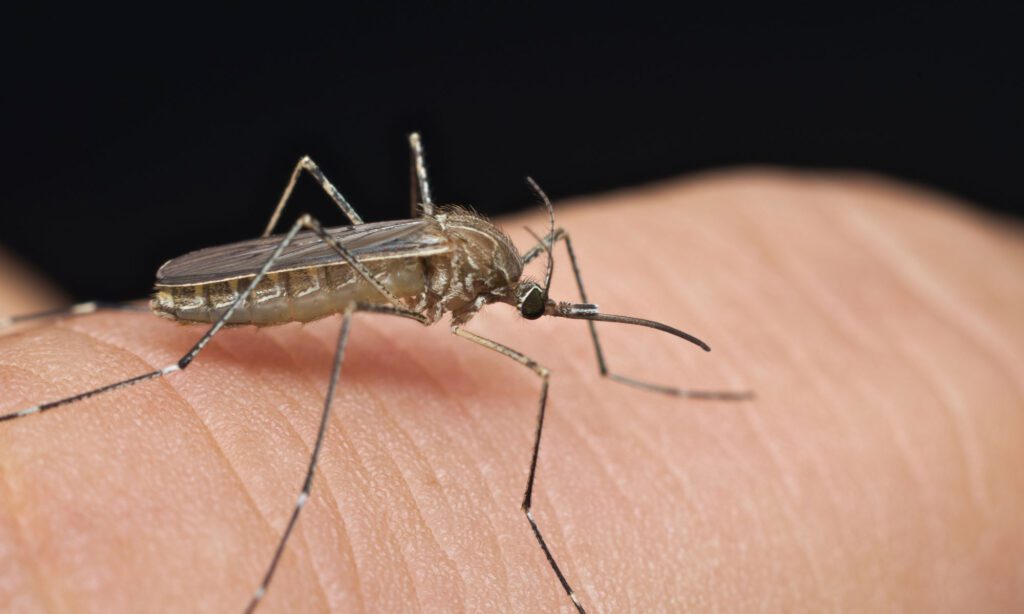
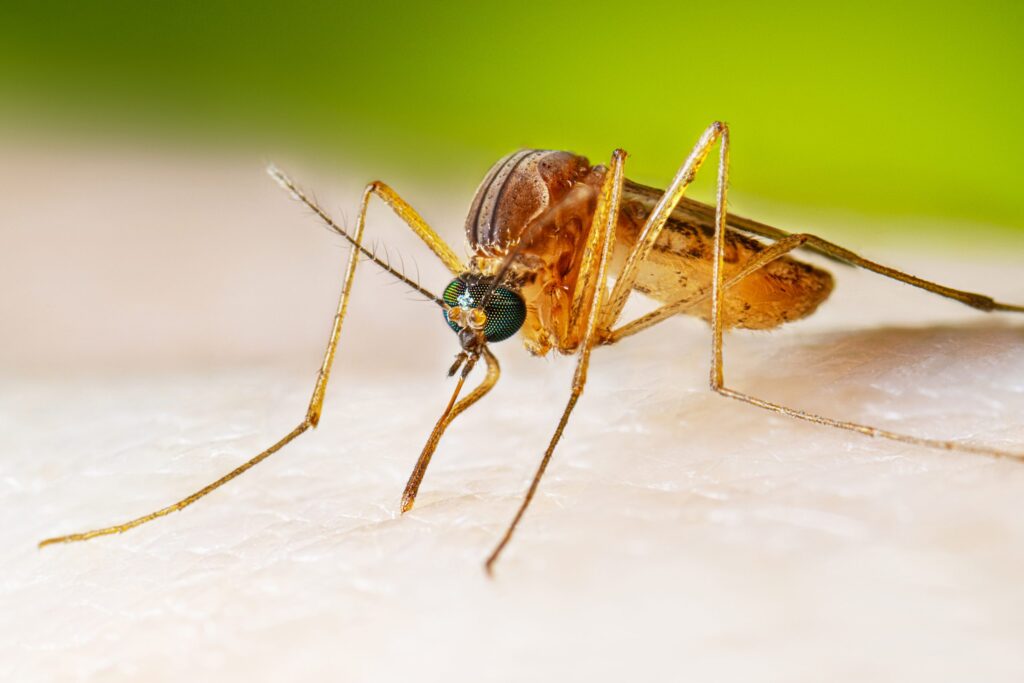
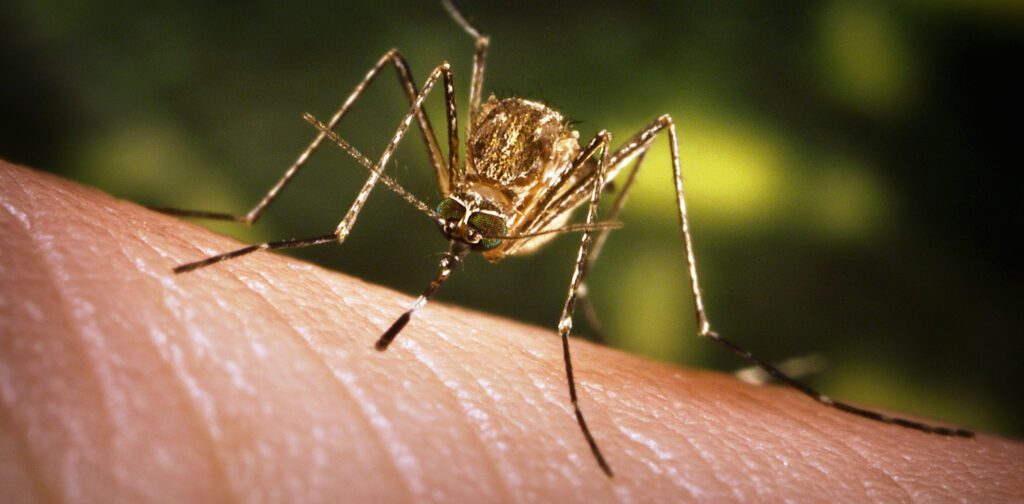
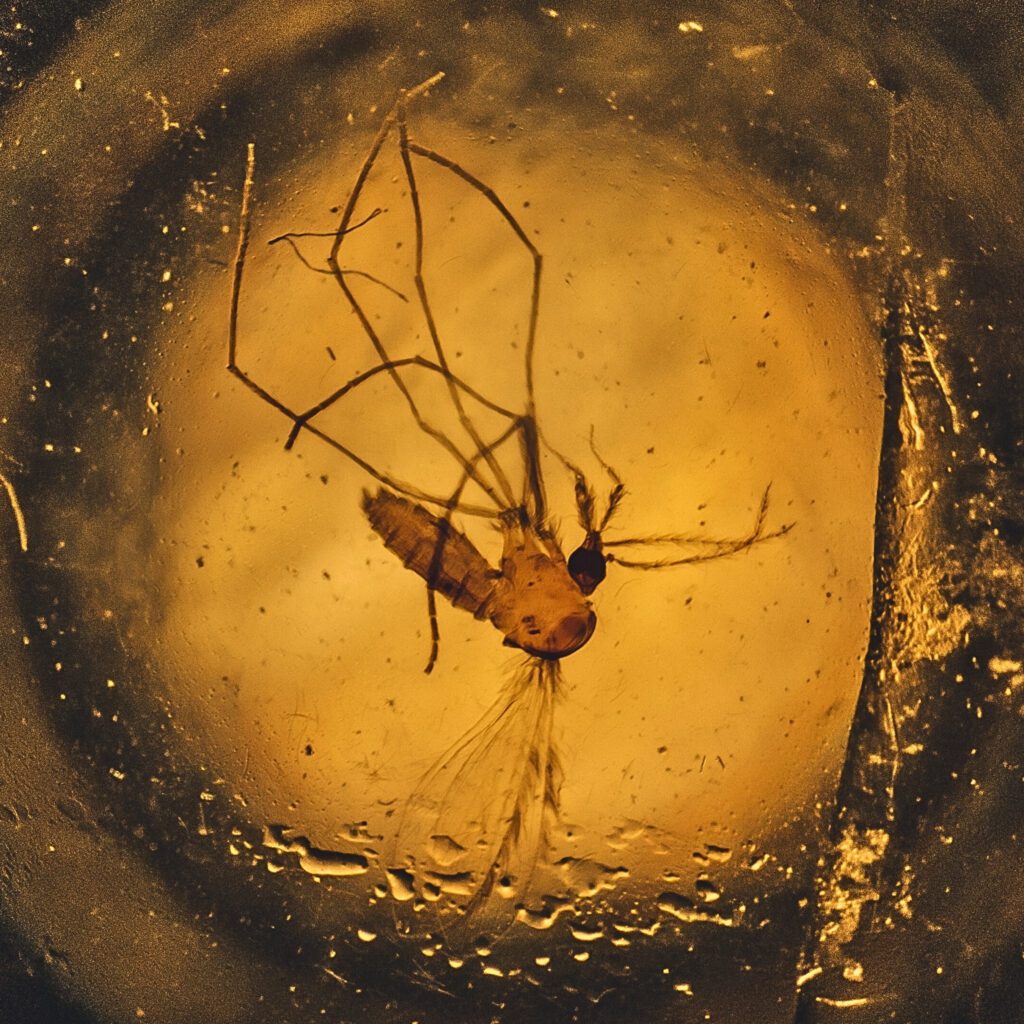
Mosquitoes have existed for over 100 million years, surviving through the Jurassic Period, the Ice Age, and numerous environmental extremes thanks to their remarkable adaptability. While it’s appealing to imagine a world free from itchy mosquito bites, completely eliminating mosquitoes is an unrealistic goal. “Winning” the battle isn’t about eliminating all mosquitoes; it’s about protecting public health by reducing the mosquito population to a manageable level, thereby reducing the spread of vector-borne diseases. Historical precedent suggests this is only possible through a coordinated, integrated management approach.

A Historic Example of Targeted Mosquito Control
For example, in the 1950s, Anopheles gambiae, a vector of malaria, was accidentally imported from Africa to Brazil, leading to thousands of deaths. In response, Brazil launched a highly organized campaign to eliminate this invasive species. This involved daily surveys, mapping infestations, and suffocating larvae by applying oil to their preferred breeding sites—puddles, irrigated fields, and even water that collected in cattle hoof prints. Because Anopheles gambiae feeds exclusively on humans and stays close to its breeding areas, teams could systematically move from the outskirts of communities inward. This approach successfully eliminated the Anopheles gambiae from Brazil and stands as one of the most historically successful mosquito elimination programs ever instituted.
Why Short-Term Mosquito Management Programs Fall Short
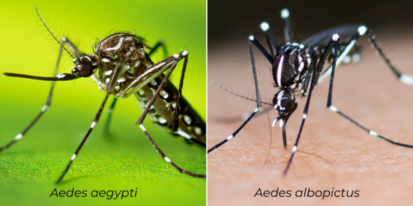
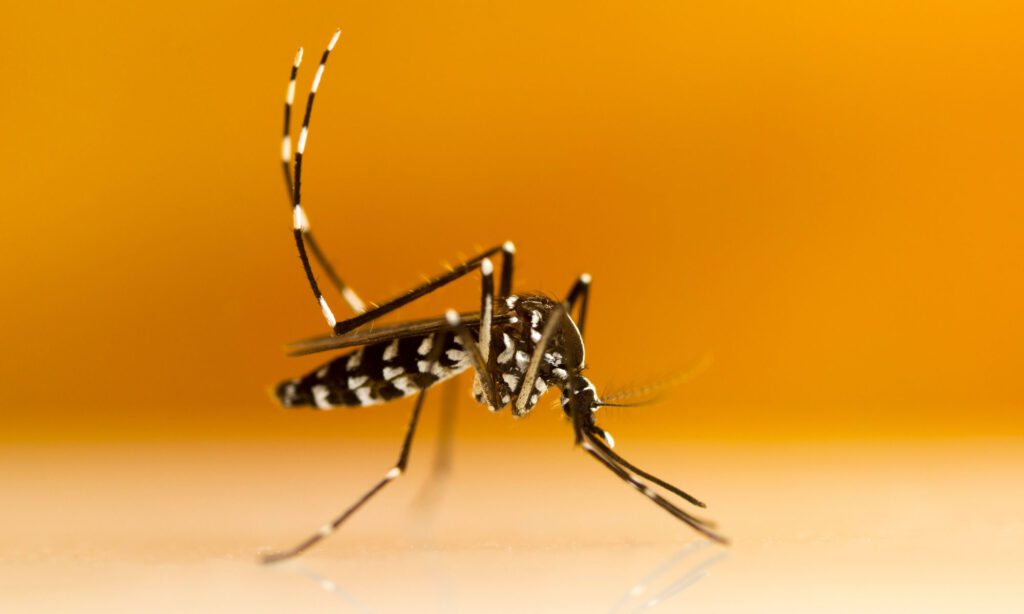
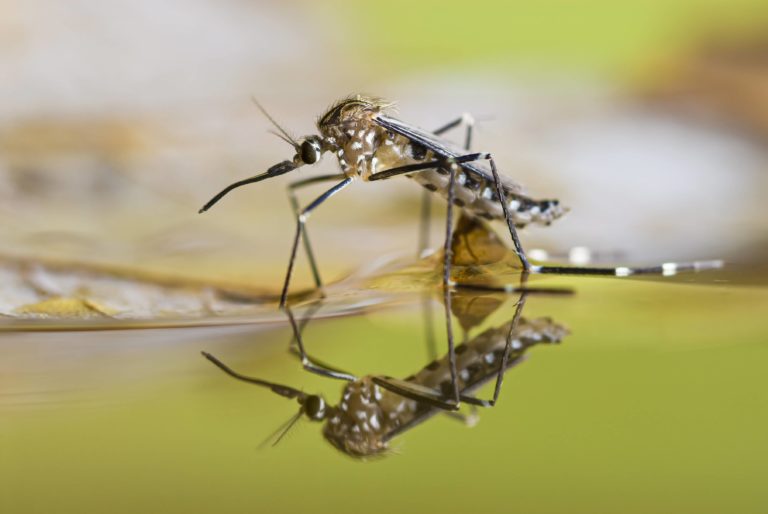
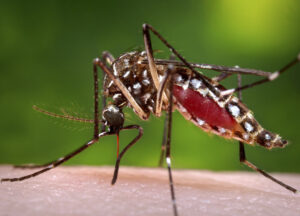
Similar strategies were used in the United States in the 1960s to control Aedes aegypti, the primary vector of yellow fever. Programs combined careful monitoring, habitat management, and door-to-door community education. Residents were encouraged to eliminate standing water from buckets, tires, birdbaths, and other small containers that serve as Aedes aegypti breeding grounds. These efforts temporarily reduced their populations to near-zero numbers in some areas. Unfortunately, when the program ended in the early 1970s due to funding and commitment challenges, this mosquito species rebounded in full force.


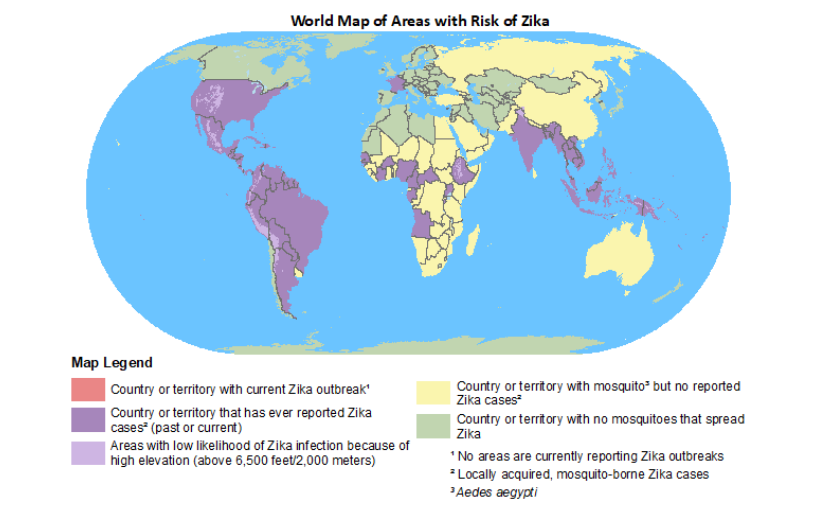
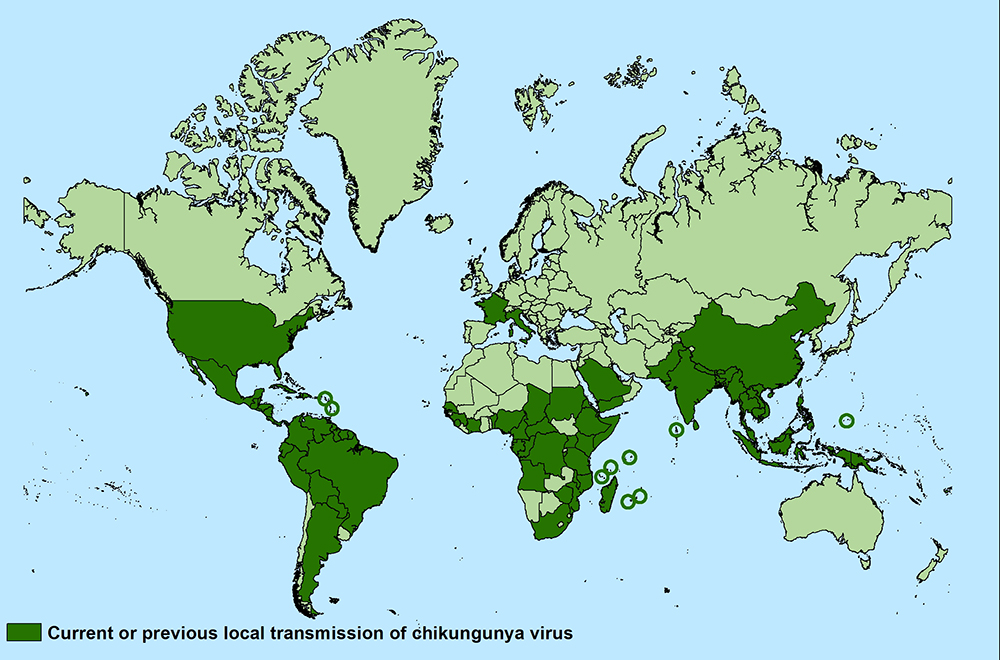
These examples illustrate that mosquito population dynamics are always evolving, particularly due to increased global trade, travel, insecticide resistance, and climate change, which are creating new areas and conditions for mosquitoes to spread. Today’s mosquito management programs build on the lessons and successes of past initiatives. They are scientifically precise, carefully tailored, and designed to achieve maximum impact while minimizing environmental effects.
Targeting Mosquitoes at Every Life Stage
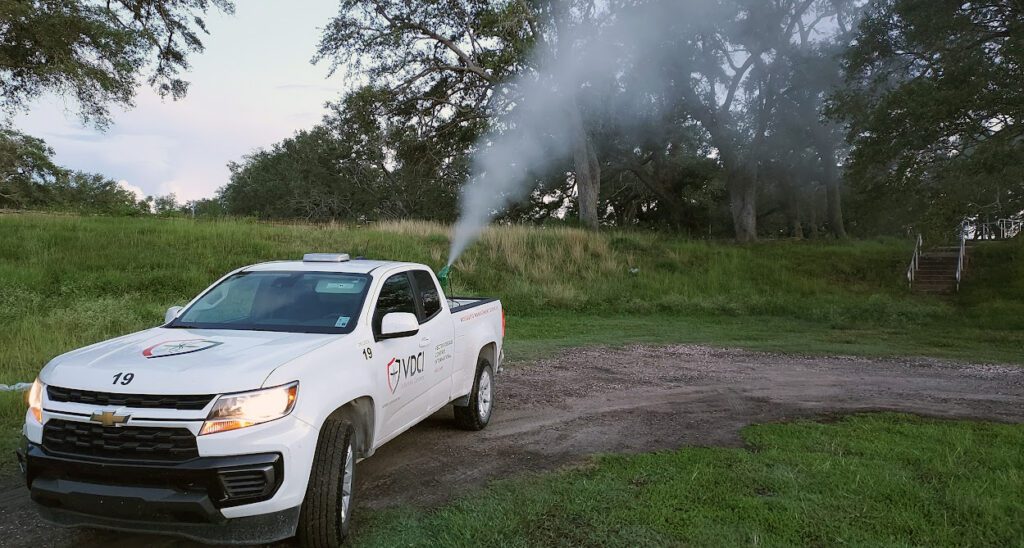
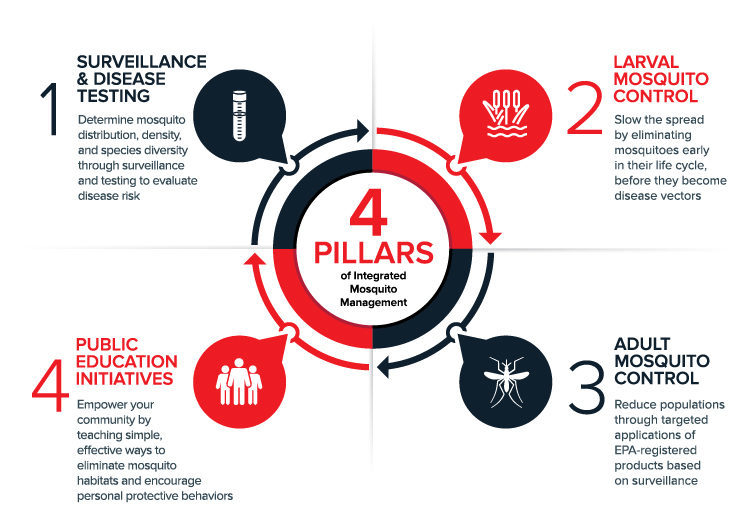
VDCI’s Integrated Mosquito Management (IMM) programs are defined by four pillars: surveillance and disease testing, larval control, adult control, and public education. By leveraging the latest technologies and targeting mosquitoes at every stage of their life cycle, these programs can help reduce mosquito populations and the risk of disease transmission. Nonetheless, true success depends on the support and cooperation of the local community, particularly in removing standing water where many urban mosquitoes breed.

The Cost of Letting Mosquito Control Lapse
Historical examples prove that when mosquito management is prioritized, populations can be effectively managed. However, they also demonstrate that if efforts lapse due to funding gaps, political changes, or public disengagement, decades of progress can be quickly reversed. Government leaders and public health officials must recognize that the battle against mosquitoes can never be truly won. It is a continuous effort that requires a sustained investment in time, resources, and community education.

Contact Our Experts
Complete the form below or call us at 800-413-4445 to speak to an expert about your mosquito management needs.
Since 1992, Vector Disease Control International (VDCI) has taken pride in providing municipalities, mosquito abatement districts, industrial sites, planned communities, homeowners associations, and golf courses with the tools they need to run effective mosquito control programs. We are determined to protect the public health of the communities in which we operate. Our mosquito control professionals have over 100 years of combined experience in the field of public health, specifically vector disease control. We strive to provide the most effective and scientifically sound mosquito surveillance and control programs possible based on an Integrated Mosquito Management approach recommended by the American Mosquito Control Association (AMCA) and Centers for Disease Control and Prevention (CDC). VDCI is the only company in the country that can manage all aspects of an integrated mosquito management program, from surveillance to disease testing to aerial application in emergency situations.