
The Financial Repercussions of Not Controlling Mosquitoes
When communities consider establishing an Integrated Mosquito Management (IMM) program, budget is often a top concern. But focusing only on costs can overshadow a much bigger issue – the price of doing nothing. When mosquito populations aren’t properly managed, they can trigger a chain reaction that affects public health, local economies, and everyday quality of life.
The true cost of mosquito control inaction often appears in ways that are more challenging and expensive to resolve:
- Increased healthcare costs associated with disease outbreaks
- Veterinary expenses tied to diseases affecting pets and livestock
- Lost productivity from missed workdays and disability
- Tourism impacts driven by travel concerns and perceived health risks
- Property value decline linked to nuisance mosquito populations

Mosquito Management Is an Investment
There is no denying that effective city mosquito control programs require judicious funding, and budgets can vary widely depending on geography, community size, and disease risk.
For example:
- Miami-Dade County, Florida, invests roughly $16.7 million annually to serve a population of approximately 2.7 million residents.
- The Central Massachusetts Mosquito Control Project operates on about $2.3 million per year to protect 42 towns and nearly one million people.
- Smaller municipalities also make notable investments. For instance, Bentonville, Arkansas, allocates around $500,000 annually for surveillance and control efforts.
At first glance, these numbers may seem high. But when compared to the costs of disease outbreaks, emergency response, and lost economic activity, mosquito control functions much like insurance that helps communities avoid far larger, unplanned expenses.
Healthcare Cost Tied to Mosquito-Borne Diseases
Mosquito-borne diseases carry real, measurable financial burdens in the United States. West Nile virus alone costs approximately $56 million a year in direct medical expenses. When long-term care, lost productivity, and premature deaths are also included, the total annual economic impact is estimated to reach $450 million annually.
Florida’s 2016 Zika outbreak further illustrates the long-term financial consequences of mosquito-transmitted disease. Children born with Zika-related birth defects such as microcephaly—a neurological condition where an infant’s brain does not fully develop—carry estimated lifetime care costs averaging $4 million per child. These expenses have heavily impacted Medicaid programs, state health budgets, and social services, creating long-term financial obligations that may far exceed the cost of mosquito prevention and surveillance.

Mosquitoes’ Financial Impact on Tourism and Local Businesses
The economic consequences of mosquito-borne disease outbreaks extend well beyond healthcare. During the 2016 Zika outbreak, concerns over mosquito-transmitted disease also impacted tourism, hospitality revenue, and local business activity.
A peer-reviewed study found that 91% of surveyed local businesses reported decreased revenues compared to the same period the previous year.
Just the perception of disease risks can result in significant economic losses for communities that depend on seasonal travel and outdoor recreation. Following a CDC travel advisory for the Wynwood district of Miami, some restaurants and hospitality businesses reported revenue declines of up to 75%, which led to staff layoffs and reduced operating hours. Many business owners attributed these losses directly to public fear, even though transmission was limited to specific areas.
As mosquito habitats expand across the country, numerous mosquito-transmitted diseases are increasing in previously unaffected regions. In fact, researchers believe as many as a billion people could be newly exposed to mosquito-borne diseases within the century.

How Mosquitoes Impact Property Values
Property values can increase significantly when located near natural areas. Properties close to parks and green spaces typically sell at price points 5-20% higher than similar homes farther away.
But these areas can also serve as habitats for various mosquito species. Painful, itchy bites and concerns about mosquito-transmitted diseases discourage outdoor use, reducing enjoyment of yards, patios, parks, and waterfronts. This, in turn, may lower the overall appeal and desirability of a community, especially in amenity-focused areas.
The Cost of Reaction vs Prevention
Once a disease outbreak commences, response costs escalate rapidly. Research consistently shows that proactive surveillance and early intervention are far more cost-effective than outbreak response:
- A proactive mosquito monitoring program in Brazilian cities prevented an estimated 27,000 dengue cases, saving a combined $364,000 in direct healthcare and control costs and more than $7 million annually in avoided lost wages.
- A study by Emory University revealed that cutting back on mosquito surveillance can increase epidemic management costs by more than 300-fold compared to sustained monitoring and early detection.
- Long-term economic evaluations indicate that maintaining city mosquito control programs often costs a little more than responding to outbreaks alone once medical treatment, emergency response, and productivity losses are factored in. Even programs that achieve only a 50-70% reduction of mosquitoes can remain economically valuable.
Furthermore, evidence suggests the public generally supports stronger mosquito control efforts. A New Jersey study found that residents were willing to pay about $9.50 per person per year through taxes or donations for improved mosquito management. When combined across the community, the perceived benefit totaled nearly $10 million annually. That’s almost four times the existing mosquito control program’s costs, indicating that residents valued mosquito abatement well above what was being spent.

Understanding the True Cost of Integrated Mosquito Management
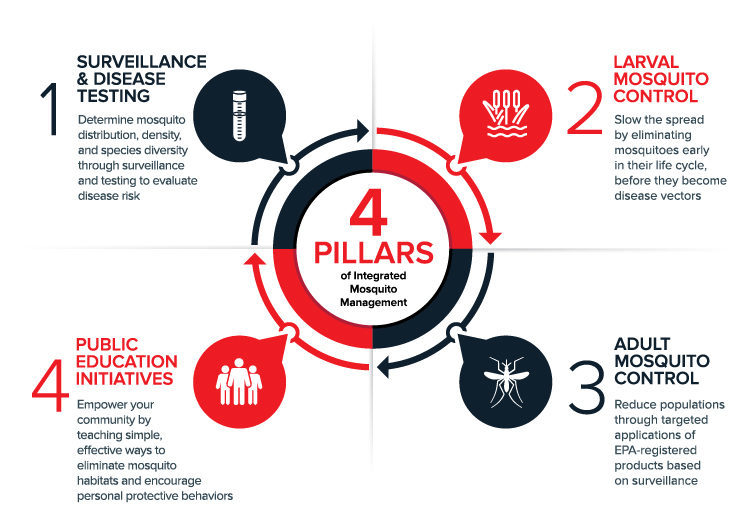
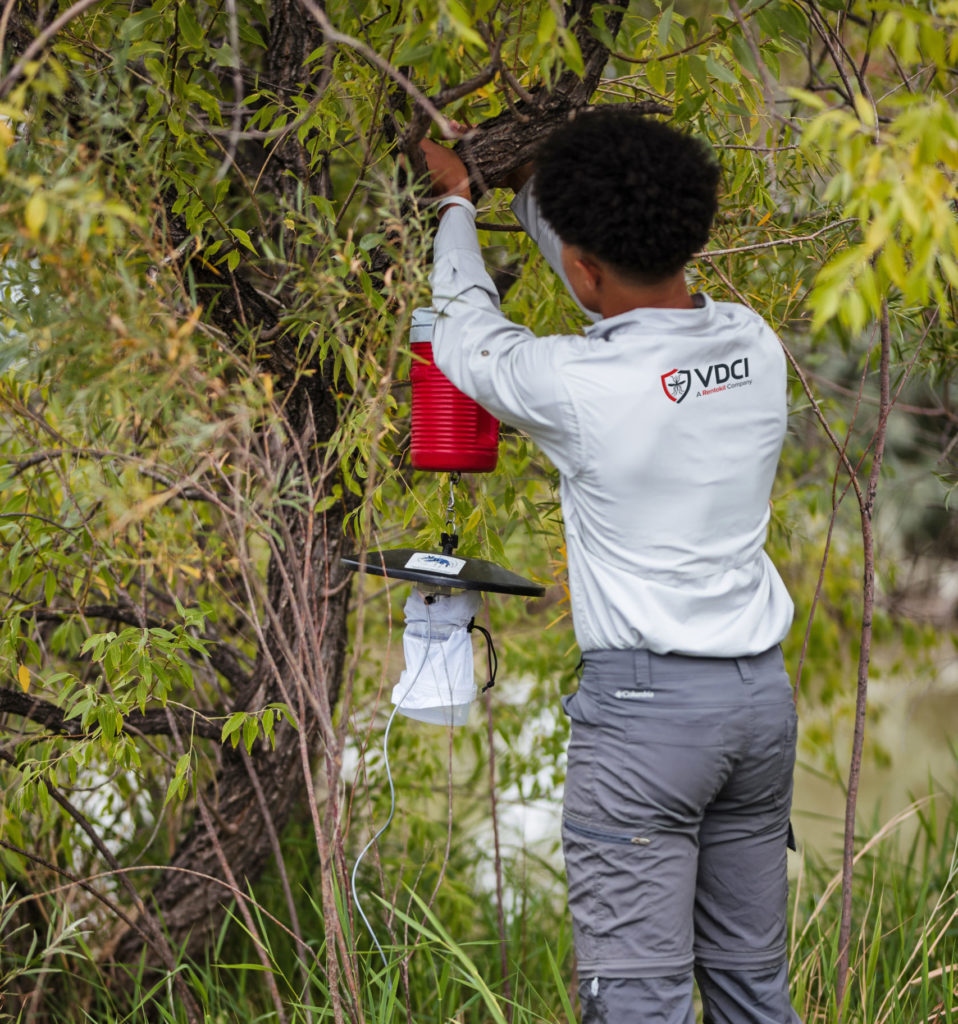
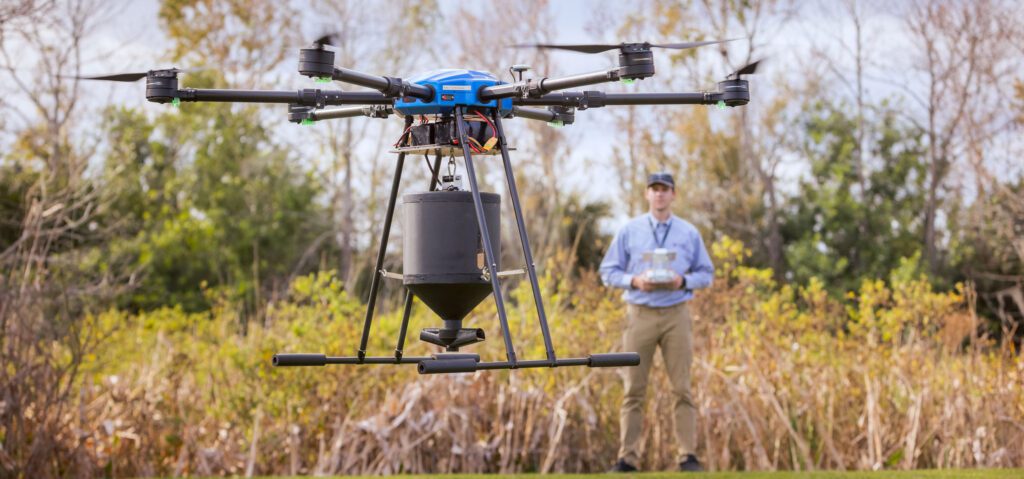
Integrated Mosquito Management is not about eliminating mosquitoes entirely. It is about reducing populations to safe levels through surveillance, data-driven decision-making, habitat modification, larval control, and targeted adult mosquito control when necessary.
Programs are tailored, and costs are based on a range of factors:
- Scope and size of the service area
- Program components included
- Type of control methods required
- Local disease risk and mosquito pressure
- Seasonality and flexibility needs
- Emergency response preparedness
- Action thresholds and insecticide resistance management
- Public education and communication
- Contract structure and cost sharing
The Big Picture
The takeaway is clear: most communities will pay for mosquito control whether they plan for it or not. The difference is whether those costs are predictable or reactive. An IMM program helps communities avoid unplanned expenses and preserve quality of life.


Contact Our Experts
Complete the form below or call us at 800-413-4445 to speak to an expert about your mosquito management needs.
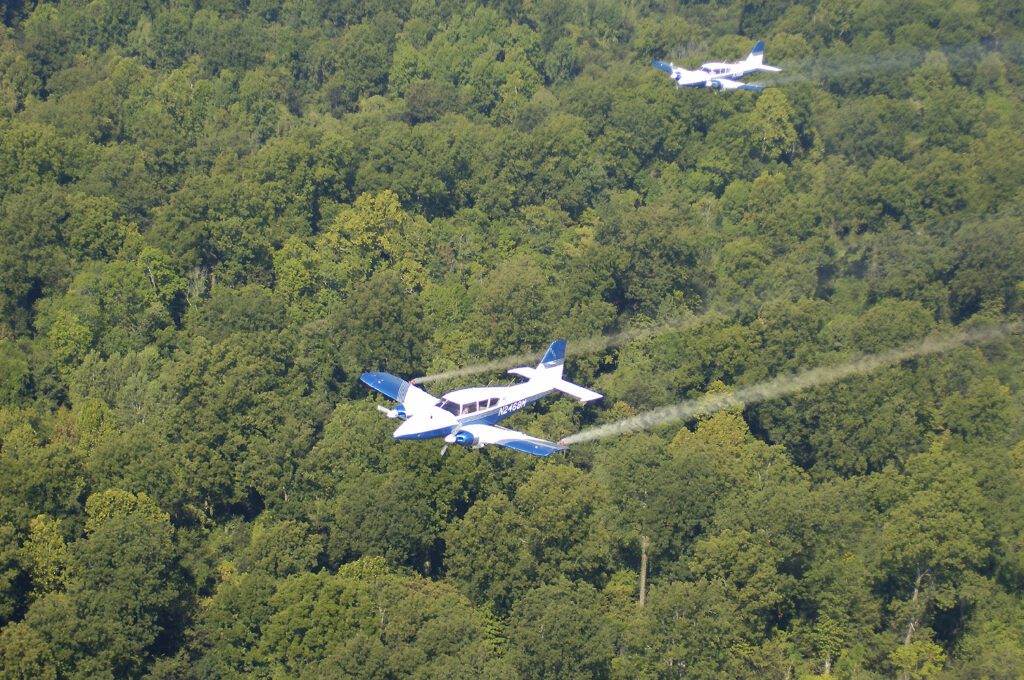
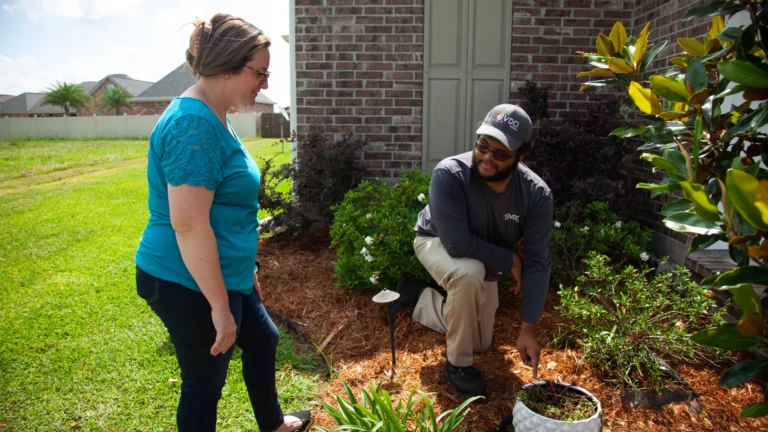
 Since 1992, Vector Disease Control International (VDCI) has taken pride in providing municipalities, mosquito abatement districts, industrial sites, planned communities, homeowners associations, and golf courses with the tools they need to run effective mosquito control programs. We are determined to protect the public health of the communities in which we operate. Our mosquito control professionals have over 100 years of combined experience in the field of public health, specifically vector disease control. We strive to provide the most effective and scientifically sound mosquito surveillance and control programs possible based on an Integrated Mosquito Management approach recommended by the American Mosquito Control Association (AMCA) and Centers for Disease Control and Prevention (CDC). VDCI is the only company in the country that can manage all aspects of an integrated mosquito management program, from surveillance to disease testing to aerial application in emergency situations.


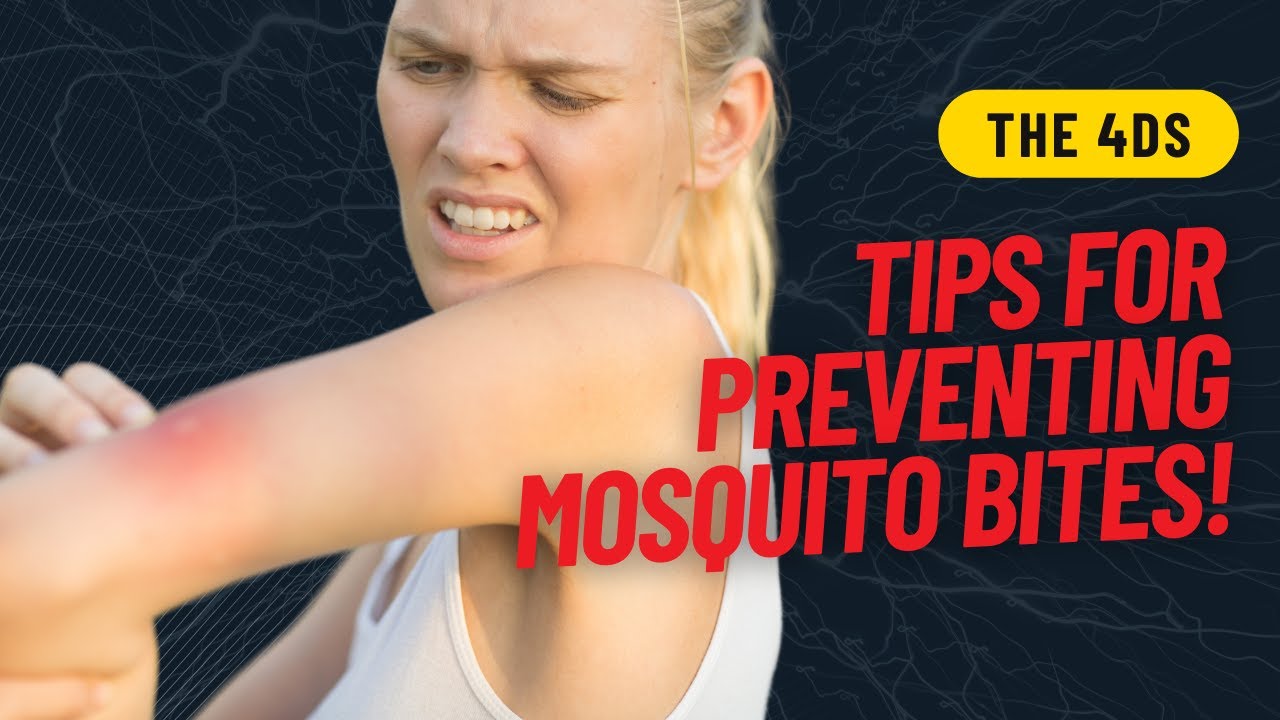

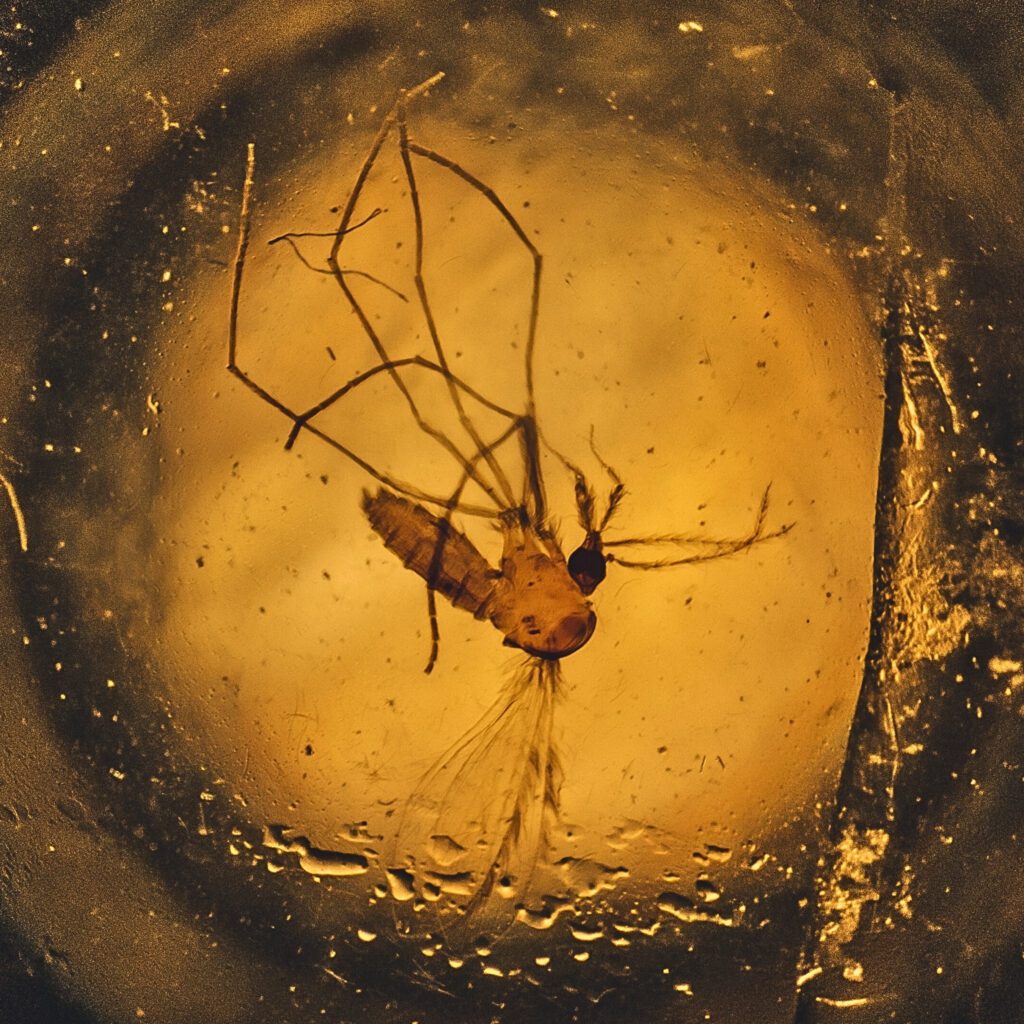


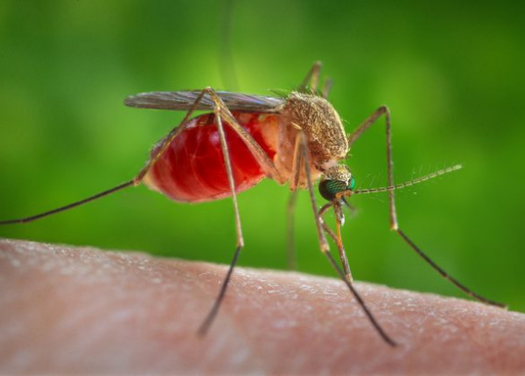













 We’re all impacted by the presence of mosquitoes – in more ways than you might know. Itchy bites are often a harmless annoyance, but the spread of
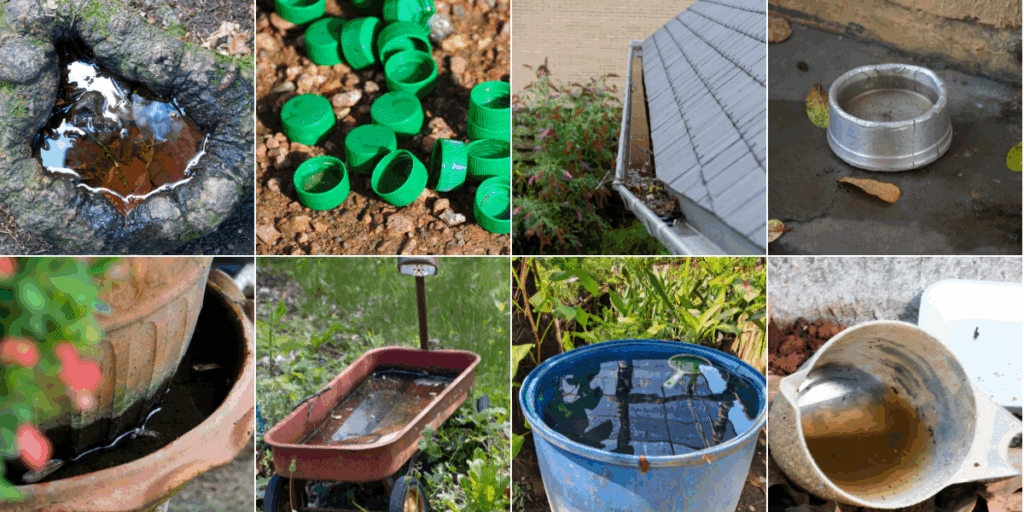
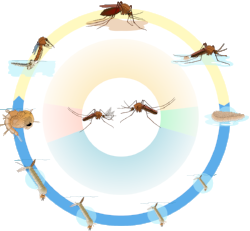
  Mosquitoes require standing water to develop. A single female can lay anywhere from 200-300 eggs and utilize habitats as small as a bottle cap. When it’s hot outside these larvae can develop into biting adult mosquitoes in less than 4 days! Some of the sites we frequently find in backyards include clogged gutters, old tires, and potholes or depressions near sprinkler heads. You can do your part to help eliminate mosquitoes by emptying outdoor containers such as cups, buckets, flower pots, bird baths, and watering cans. Likewise, take steps to ensure water properly drains off of tarps, tables, and outdoor equipment during rainstorms.
  While reducing mosquito habitat on your property can make a significant difference in the battle against mosquitoes, many species are capable of flying several miles to take a blood meal. Because of this it’s also important for you to wear protective clothing and use an EPA approved repellent when biting pressure is high or transmittable diseases have been identified in local populations. Wear light-colored clothing, closed toe shoes, long-sleeves, and long pants when spending time outside can reduce your likelihood of being bitten. This is especially important around dawn or dusk when mosquitoes tend to be most active. Bare skin on hands, ankles or face should be protected with repellent or covered when possible. For the safe and effective use of any product, always read the label and follow manufacturer guidelines.