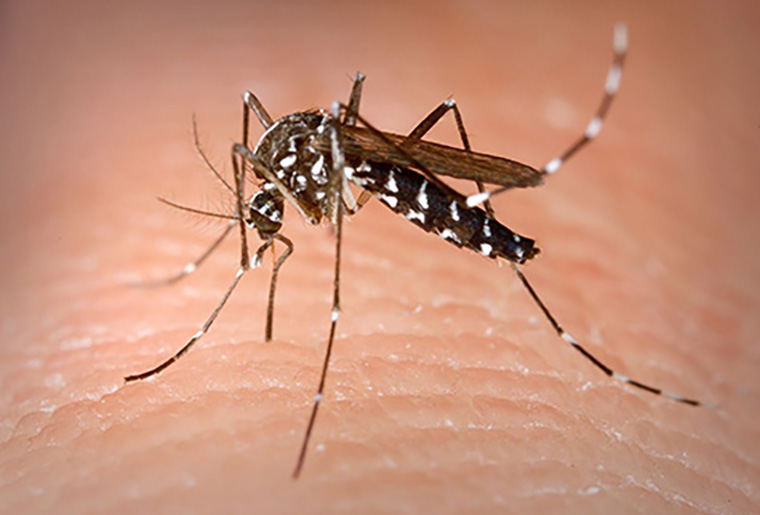

Debunking Myths: Bats for Effective Mosquito Control

Eastern Small Footed Bat

Written by:
Michael “Doc” Weissmann, Ph.D., VDCI Entomologist

Co-Written by:
Dr. Louise Lynch-O’Brien of the University of Nebraska at Lincoln

Though mosquitoes are considered the most dangerous species in the world, they are more widely known as one of the most annoying. For thousands of years, humans have sought out solutions and techniques to thwart mosquitoes when spending time outdoors – some effective, some not. While modern scientific advancements have provided us the tools and knowledge to manage mosquitoes more safely and effectively than ever before, dozens of old wives’ tales still persist. One of the most common misconceptions centers around bats.

Bats can consume up to 1,000 mosquitoes in an hour, right? This “fact” is often presented as a primary reason to promote bat conservation. In more extreme instances, some activists claim that installing bat boxes in a neighborhood will lead to successful mosquito control and prevent people from contracting mosquito-borne illnesses like West Nile virus.
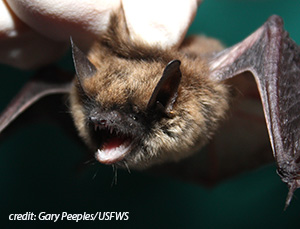
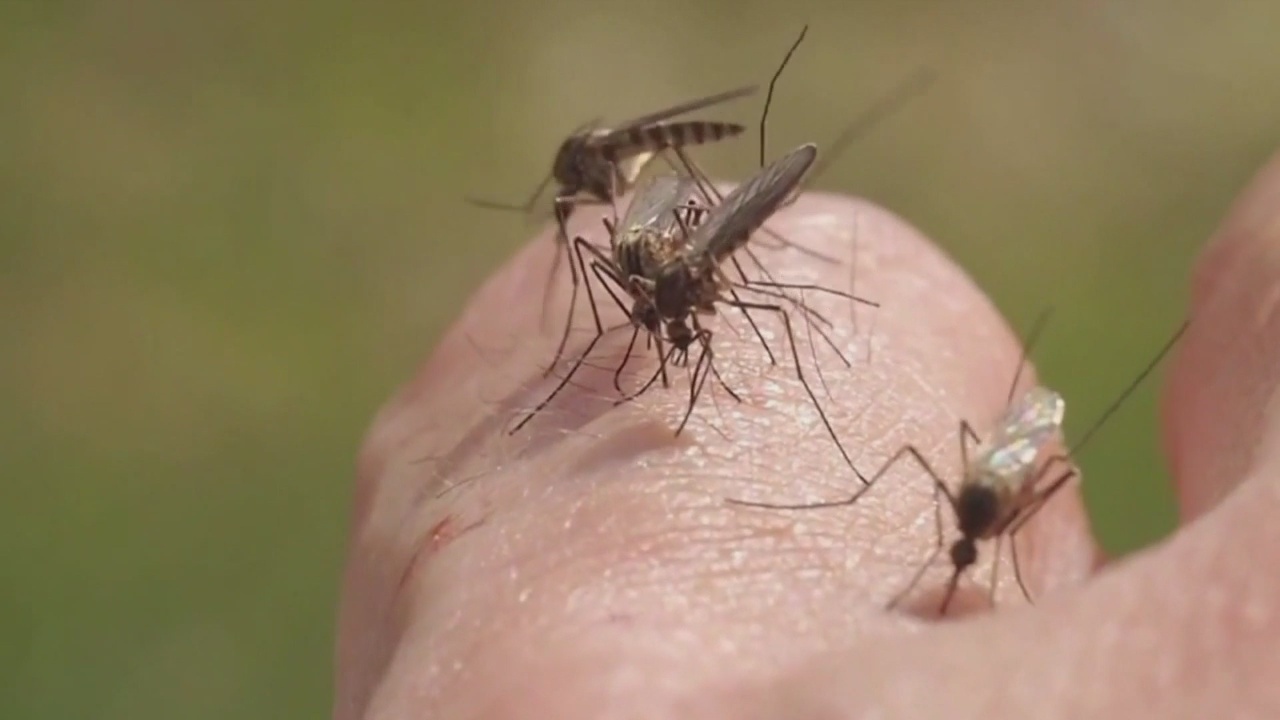
Eastern Small Footed BatThe claim likely originated from a study published in 1960 about how certain bats use echolocation to detect and capture small insects (Griffin et al. 1960). As part of the study, Donald Griffin and colleagues at Harvard University photographed little brown bats (Myotis lucifugus) and Eastern small-footed bats (M. leibii) preying on mosquitos (Culex quinquefasciatus) placed together in a room measuring (2.44 m. wide by 4.88 m. long by 2.44 m. tall (8 ft. wide by 16 ft. long by 8 ft. high). Only a small fraction of the bats (less than 10%) demonstrated prey capture behavior when released into the room that initially contained approximately 2000 mosquitoes, but the study focused on these “good catchers.” Again, this was a study on prey capture technique, not prey quantity.

Based on the amount of weight gained by the bats during each trial, the researchers estimated the number of mosquitoes consumed on average during that period. The study began with 2,000 mosquitoes for the initial trial, but they were not able to replenish the mosquito population to that same level during subsequent trials. The “champion catcher” was an individual M. leibii that was recorded to consume an average of 9.5 mosquitoes per minute during the 15-minute trial. It is summarized in the paper with the statement, “This bat was thus catching about ten mosquitoes per minute or one every six seconds.” Note that this was the highest rate recorded during the study, with all other capture rates being significantly less.

Since that publication, others have quoted this statement out of context, and used it to extrapolate numbers to greater time periods. Ten mosquitoes per minute becomes 600 mosquitoes in an hour. Just as the 9.5 mosquitoes per minute was rounded to 10, the 600 mosquitoes per hour is usually generously rounded up to 1000. Over an 8-hour mid-summer night, that would be 8,000 mosquitoes per night, or more than 2.9 million mosquitoes in a year, or nearly 117 million mosquitoes over a 40-year lifespan – just for one bat! Very impressive.

Is this kind of extrapolation justified? It assumes that the “champion catcher” rate of consumption is 1) true for all bats; 2) maintained for a full hour (or for the full evening, week, month, year, lifetime); and 3) no other insects are consumed except mosquitoes. The original study placed the bats in a room with only mosquitoes to feed on and nothing else. It has been demonstrated that some species of bats do consume mosquitoes as part of their diet (for example, Wray et al. 2018). However, bats tend to be generalist and opportunistic predators, feeding on a wide variety of nocturnal insects as available at different times of year and different times during a single evening. Optimal foraging strategy suggests that bats would prefer larger insects like beetles and moths that provide more dietary value for the predatory effort (“more bug for the buck”). Except in circumstances where mosquitoes are temporally and locally extremely abundant, they are likely to comprise only a small fraction of a bat’s caloric intake on a typical night of foraging.

Bats are important predators, valuable to humans for their role in reducing agricultural pest populations. Boyles et al. (2011) estimate the annual benefit of bat predation to North American agriculture at more than US$3.7 billion, based on consumption of crop pest species (a value that should be quoted with caution, of course, since that dollar figure is itself an extrapolation, based on the per-acre value of cotton in Texas!). However, studies confirming bats’ importance in mosquito control are limited, and the “1000 mosquitoes per hour” claim is not likely to be true under natural conditions.

Luckily, there are much more impactful ways to prevent the spread of mosquito-borne diseases. Integrated Mosquito Management (IMM) programs are designed to proactively target mosquitoes at every stage of their lifecycle using professional surveillance and disease testing, population monitoring, larviciding, and adulticiding. These science-backed actions are supported by public education initiatives that empower community members to wear EPA-registered repellents and clothing that covers their bare skin, drain standing water where mosquitoes breed, and stay indoors during dusk and dawn when mosquitoes are most active.

Seeing bats swooping around in the evening does not mean you’re being defended, but they can serve as an important reminder to continue practicing responsible mosquito prevention efforts that protect ourselves and our communities.

Boyles, J.G., Cryan, P.M., McCracken, G.F., & Kunz, T.H. (2011). Economic importance of bats in agriculture. Science, 332 (6025): 41-42.

Griffin, D.R., Webster, F.A., & Michael, C.R. (1960). The echolocation of flying insects by bats. Animal Behaviour, 8 (3-4): 141-154.

Wray, A.K, Jusino, M.A., Banik, M.T., Palmer, J.M., Kaarakka, H., White, J.P., Lindner, D.L., Gratton, C., & Peery, M.Z. (2018). Incidence and taxonomic richness of mosquitoes in the diets of little brown and big brown bats. Journal of Mammalogy, 99 (3): 668-674.­

Contact Us to Learn More About Effective Mosquito Prevention Strategies

VDCI_Logo_square Since 1992, Vector Disease Control International (VDCI) has taken pride in providing municipalities, mosquito abatement districts, industrial sites, planned communities, homeowners associations, and golf courses with the tools they need to run effective mosquito control programs. We are determined to protect the public health of the communities in which we operate. Our mosquito control professionals have over 100 years of combined experience in the field of public health, specifically vector disease control. We strive to provide the most effective and scientifically sound mosquito surveillance and control programs possible based on an Integrated Mosquito Management approach recommended by the American Mosquito Control Association (AMCA) and Centers for Disease Control and Prevention (CDC). VDCI is the only company in the country that can manage all aspects of an integrated mosquito management program, from surveillance to disease testing to aerial application in emergency situations.

Do These Mosquito Prevention Products and Strategies Work?

mosquito-born diseases webinar

We’ve all experienced aggravating mosquito bites when spending time outdoors, and for most people, they’re nothing more than a nuisance. And many of us have heard about outbreaks of West Nile Virus, Dengue, Eastern Equine Encephalitis, and other diseases, but may have dismissed the risk of contracting them as extremely rare. These are dangerous misunderstandings; mosquitoes kill more than one million people each year, making them the deadliest species in the world. 

Protecting ourselves from mosquito bites is essential to the well-being of our communities, but unfortunately, there are many myths and misconceptions about popular mosquito deterrents. VDCI is committed to educating the public on the safety and efficacy of common mosquito prevention tools – and supporting communities, state agencies, and mosquito-abatement districts with science-backed solutions and management strategies. 

Common mosquito prevention myths and misconceptions

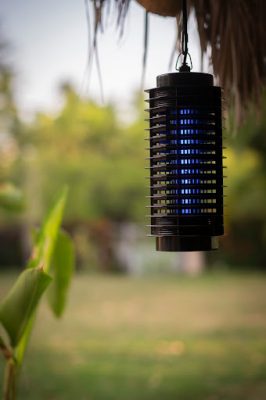
Bug zappers – There’s a common belief that bug zappers attract and electrocute mosquitoes using ultraviolet lights or black lights. In fact, more than two million homeowners turn to bug zappers for mosquito management around their properties. In reality, research indicates that mosquitoes comprise only 6% of the bugs killed and these devices are actually detrimental to beneficial insects including moths and beetles. These devices do not work to reduce host-seeking mosquitoes, because females in search of a bloodmeal are most attracted to carbon dioxide expelled by humans and animals when they breathe.

bug-zapper

Misting sprays – Private misting systems have become a popular solution marketed by companies that are not licensed in public health. This means that the spray products they use do not have to be registered with the Environmental Protection Agency (EPA). While the products are capable of killing mosquitoes, this approach can be harmful to the environment and may result in unnecessary exposure to people. When insecticides are sprayed in unnecessary amounts or intervals, mosquitoes can become resilient to them over time. Improperly applied insecticides can also harm non-target insects that are beneficial to the environment. The American Mosquito Control Association (AMCA) has taken a stance against these misting systems until there has been more research and efficacy testing done.

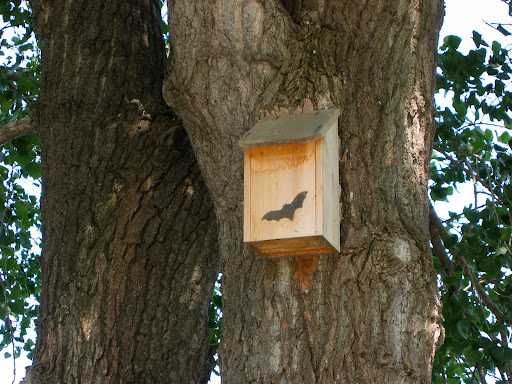
Bats – While they do feed on insects, fecal studies suggest that mosquitoes make up less than 1% of a typical bat’s diet. Attracting them with bat houses can certainly help reduce moths, beetles, and leafhoppers, which are favored food sources, but will have no significant impact on mosquito populations. Furthermore, some bat species may actually pose risks to humans, particularly when they’re able to roost near attics and other living areas. Bat droppings (guano) are capable of producing spores that cause a harmful respiratory disease when inhaled. They can also carry parasites and viruses like rabies. According to the Centers for Disease Control and Prevention (CDC), bats are the leading cause of rabies deaths in the United States. 

bat house hanging on tree

Integrated Mosquito Management

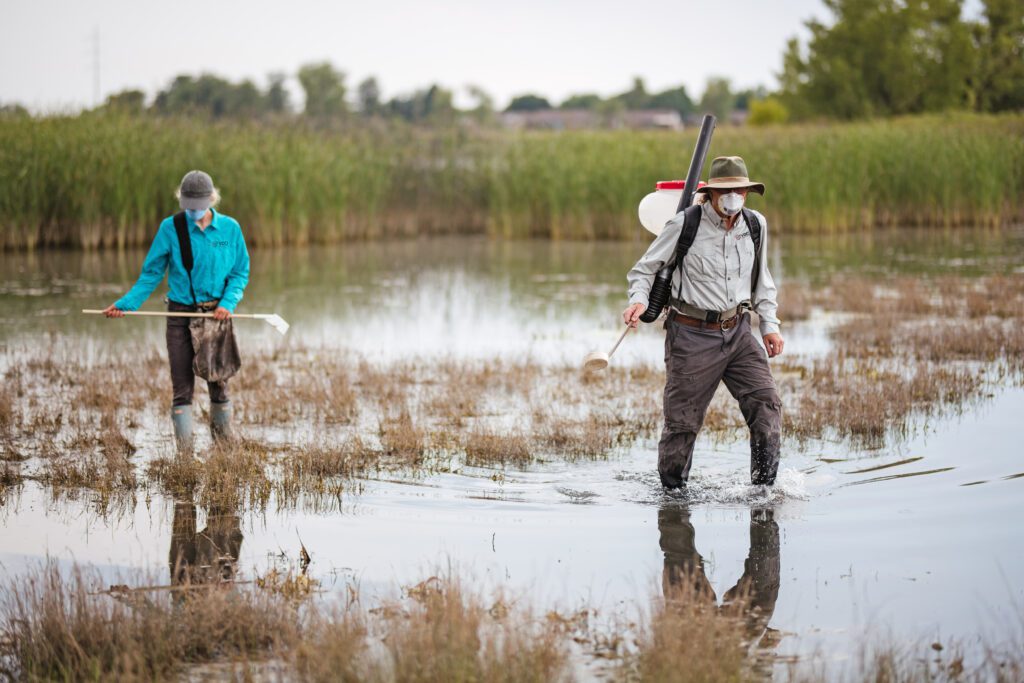
The safest and most effective mosquito management solutions are backed by science and executed as part of an Integrated Mosquito Management (IMM) program. IMM programs provide solutions that target mosquitoes at every stage of their lifecycle. And diligent monitoring and surveillance efforts ensure diseases, population changes, and signs of insecticide resistance are identified as soon as possible. When adult populations reach unacceptable or dangerous levels, then insecticides that are registered with the EPA should only be applied by licensed professionals in appropriate amounts, in the right places, and at the right times.

mosquito techs in swamp

Proactive science-backed solutions are most effective when supported by knowledgeable citizens. VDCI partners with municipalities, mosquito abatement districts, and public health organizations to disseminate educational resources that bust myths and misconceptions about mosquito management and arm people with essential mosquito prevention tips to help them limit breeding habitats on their property and protect themselves from bites – because everyone deserves peace of mind while enjoying the outdoors.

Contact Us to Learn More About Effective Mosquito Prevention Strategies

VDCI_Logo_square Since 1992, Vector Disease Control International (VDCI) has taken pride in providing municipalities, mosquito abatement districts, industrial sites, planned communities, homeowners associations, and golf courses with the tools they need to run effective mosquito control programs. We are determined to protect the public health of the communities in which we operate. Our mosquito control professionals have over 100 years of combined experience in the field of public health, specifically vector disease control. We strive to provide the most effective and scientifically sound mosquito surveillance and control programs possible based on an Integrated Mosquito Management approach recommended by the American Mosquito Control Association (AMCA) and Centers for Disease Control and Prevention (CDC). VDCI is the only company in the country that can manage all aspects of an integrated mosquito management program, from surveillance to disease testing to aerial application in emergency situations.

The 4Ds: How Your Community Can Help Prevent Mosquito Breeding and Bites

invasion of the mosquitoes

It’s common to spend time in nature to relax and reset, but silent threats like mosquitoes can make this difficult and even dangerous. One of the reasons mosquitoes so often plague our outdoor activities is because they are highly efficient at reproducing. Anywhere water collects—from a stagnant pond to a tiny puddle in the sidewalk—can become an active breeding ground for mosquitoes. Therefore, community members play a vital role in the elimination of standing water, as well as the protection of themselves and their families from vector-borne pathogens

The best way to protect yourself when spending time outdoors is to remember the 4Ds. Watch the video below to learn how to learn about personal protection and property maintenance tips:

The 4Ds: Protect Yourself from Dangerous Mosquitoes

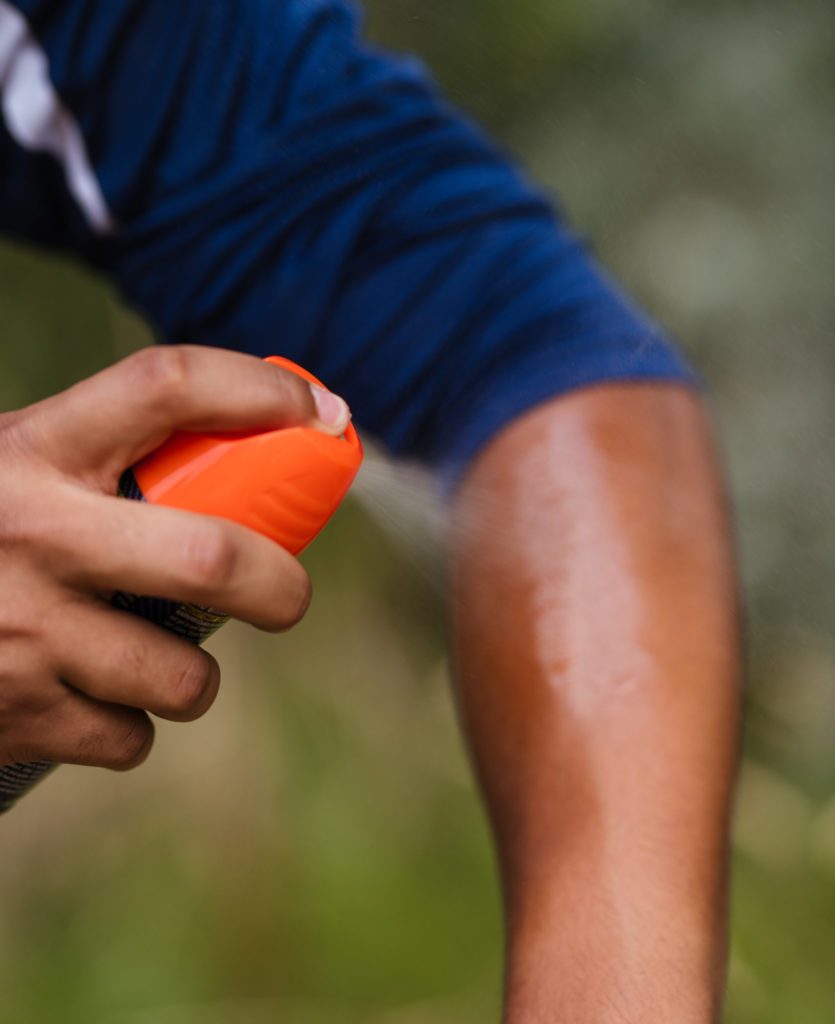
spraying mosquito repellent on elbow

1. DEFEND

Consistently wear and reapply an EPA-approved repellent when outdoors

  • The safest and most effective repellents should contain 10-30% DEET (N,N Diethyl-meta-toluamide). 
  • Always follow manufacturer guidelines found on the label to ensure safe and optimal product use.
  • Review the EPA’s list of registered insect repellents – www.epa.gov/insect-repellents/find-repellent-right-you   
  • Keep dogs and cats safe, too, with preventative heartworm medication.
students looking a map in park

2. DRESS

Wear closed-toe shoes, light colors, and long sleeves and pants to keep your skin protected. 

  • Mosquitoes are more attracted to darker clothing. 
  • Comfortable, loose-fitting clothes are more effective at preventing mosquito bites.
  • Bare skin on your hands, ankles, face, neck, or other areas should be protected with mosquito repellent.
dumping water from pail

3. DRAIN

Mosquitoes require standing water to reproduce. 

  • Empty and prevent future water collection in outdoor tools and objects like tires, tarps, buckets, birdbaths, basketball goals, wheelbarrows, and lawn care equipment.
  • Ensure water can drain properly from gutters, flower pots, watering cans, rain barrels, low-lying ditches, and stormwater pipes and structures.
bright sky in background of apartments

4. DUSK & DAWN

Limit spending time outdoors when mosquitoes are most active. 

  • Mosquitoes can become dehydrated in direct sunlight. 
  • During the day, mosquitoes typically linger in cool, shaded places like thick weeds, ivy, bushes, and wood piles.

Self-protection goes hand-in-hand with public education. Integrated Mosquito Management (IMM) programs are most effective when efforts are reinforced by the surrounding community. When state, regional, and municipal entities partner with a professional management company, they get access to industry experts who regularly present and work with health departments, churches, schools, libraries, senior homes, local clubs, and other groups to ensure they receive accurate information about the mosquito species, diseases, and tools used in the area. Educational resources can be disseminated through a variety of channels to inform citizens about up-to-date news, safety warnings, and mosquito prevention reminders. 

It’s important to remember that mosquitoes are not hindered by geographical boundaries. In fact, some species can travel many miles for a blood meal. When knowledgeable citizens work together, they can have a significant impact that benefits the entire community and help maximize the results of their local integrated mosquito management program.

Contact Our Experts​

Fill out the form below or call our experts at 866.977.6964 so that they can help you develop a custom IMM program to meet your community’s needs.

VDCI_Logo_squareSince 1992, Vector Disease Control International (VDCI) has taken pride in providing municipalities, mosquito abatement districts, industrial sites, planned communities, homeowners associations, and golf courses with the tools they need to run effective mosquito control programs. We are determined to protect the public health of the communities in which we operate. Our mosquito control professionals have over 100 years of combined experience in the field of public health, specifically vector disease control. We strive to provide the most effective and scientifically sound mosquito surveillance and control programs possible based on an Integrated Mosquito Management approach recommended by the American Mosquito Control Association (AMCA) and Centers for Disease Control and Prevention (CDC). VDCI is the only company in the country that can manage all aspects of an integrated mosquito management program, from surveillance to disease testing to aerial application in emergency situations.

Behind the Scenes Look: Utilizing Technology for Successful Surveillance & Disease Testing

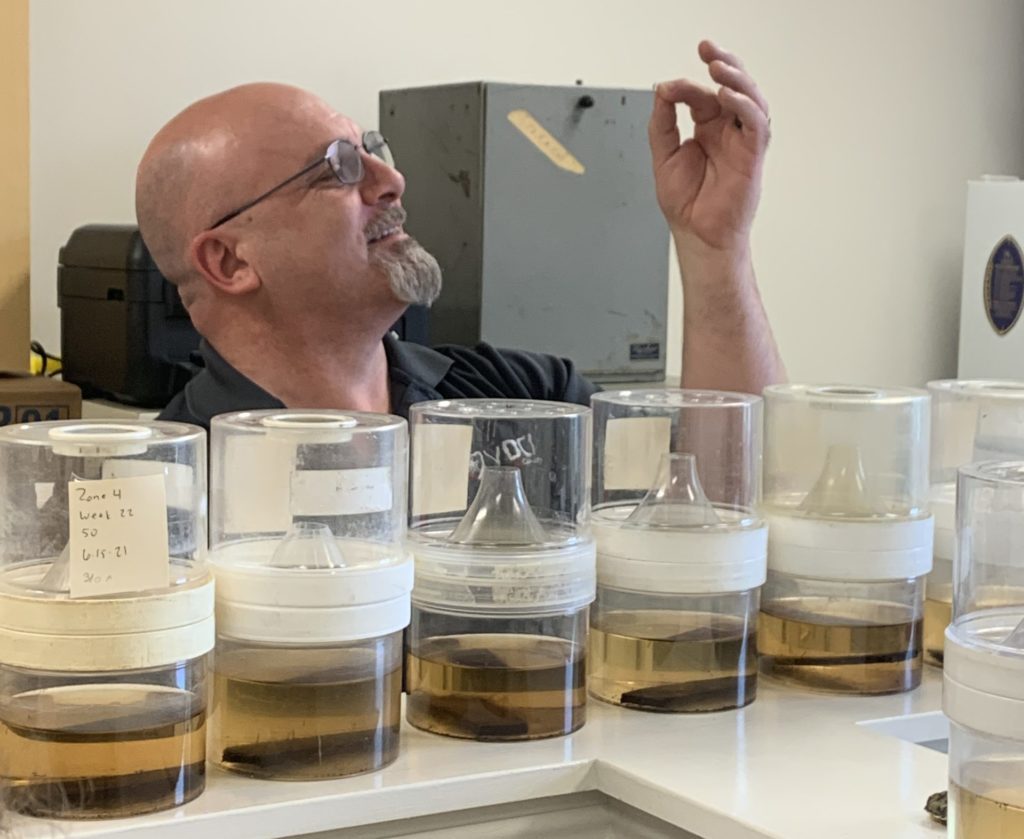
VDCI lab testing vial mosquito control education

Mosquito Surveillance & Disease Testing Technologies

Responsible mosquito management involves targeting mosquitoes at all stages of their lifecycle. A holistic, integrated approach is the most effective strategy to halt population growth and prevent the spread of deadly diseases while reducing environmental footprint.

surveillance and disease testing

Mosquito surveillance is the cornerstone of an integrated mosquito management (IMM) program. This begins with assessing breeding sites and eliminating mosquitoes at the larval stage. By analyzing population dynamics and species distribution, adult mosquitoes can be safely and effectively controlled. Proactive mosquito surveillance programs and data collection also allow scientists to optimize the use of insecticides and limit spraying to specific areas at precise times. These mosquito surveillance techniques reduce the chance of insecticide resistance, which can create additional challenges and expenses for stakeholders.

mosquito lab testing collecting dataHighly targeted, carefully formulated insecticides are used by experts to safely control mosquitoes and mitigate the risk of vector-borne disease transmission. Though insecticides are an impactful tool in mosquito management, it’s possible for mosquitoes to become resistant to them. According to the Centers for Disease Control and Prevention (CDC) if mortality drops to a rate of less than 90%, the mosquito population is considered insecticide resistant.

Insecticide resistance typically occurs during prolonged exposure to insecticides used during the management process. Continued use in moderately susceptible populations can result in the selection of resistant individuals and loss of insecticide sensitivity in certain areas—something that is particularly dangerous during large mosquito outbreaks following rainstorms, hurricanes, and other serious weather events. Insecticide resistance not only contributes to wasted time and resources but it also endangers communities through increased disease transmission.

mosquito lab testingThe best way to prevent insecticide resistance is ongoing mosquito surveillance and monitoring. IMM programs incorporate strategic mosquito surveillance and monitoring efforts throughout the management season to gather information about species bionomics, active periods, host preferences, and the presence of disease. This knowledge about local mosquito populations is used to determine the severity of a nuisance outbreak and inform control efforts. 

Scientists have multiple ways to collect information. Each method is selected based on the unique challenges a community is facing.

CDC Light Traps

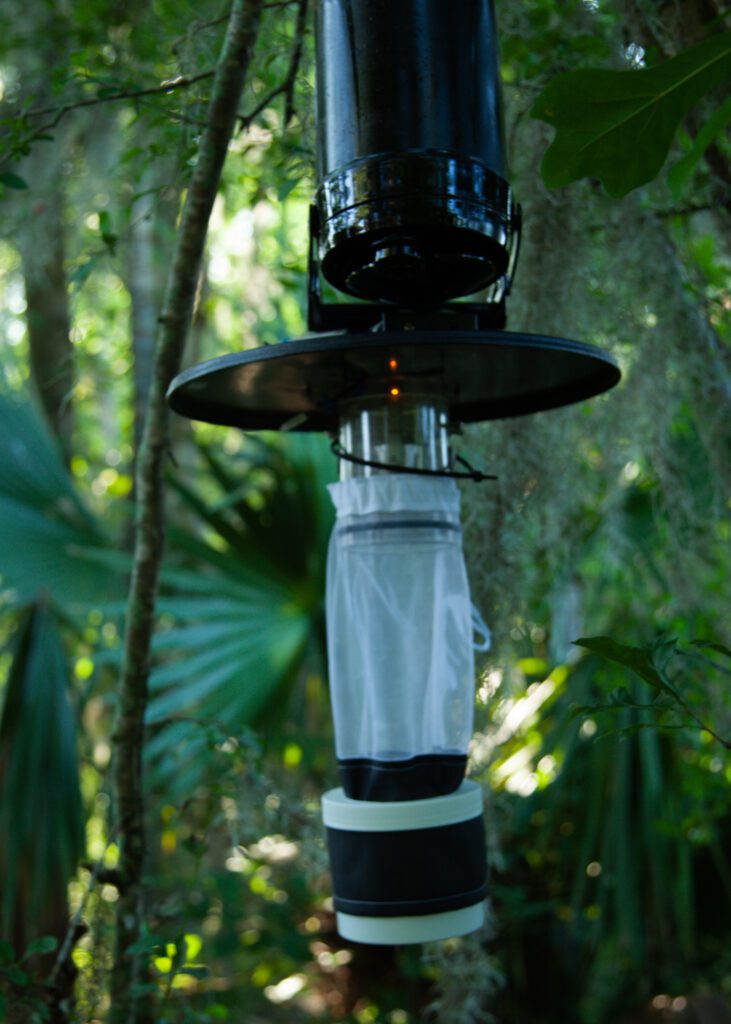
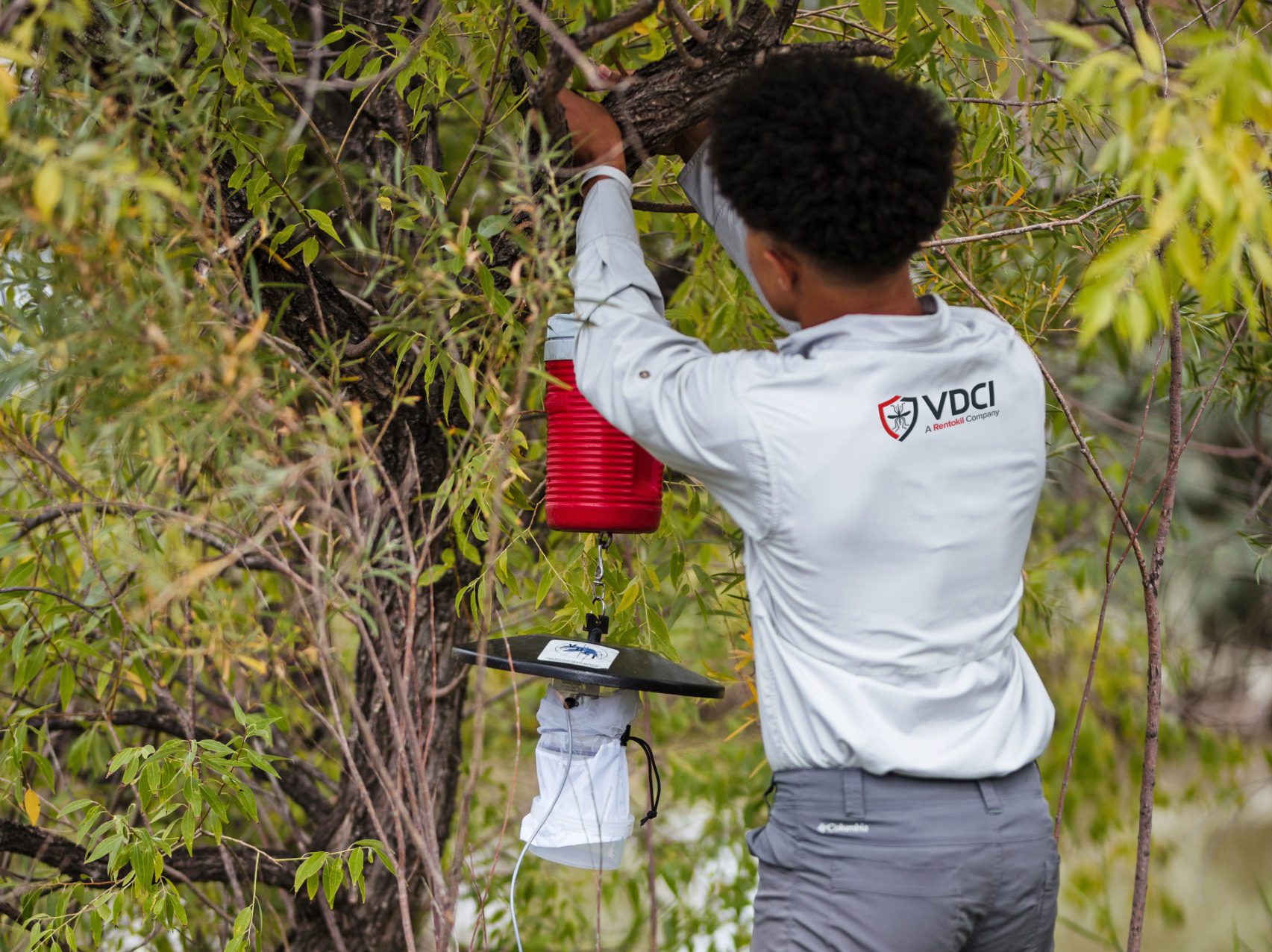
These mosquito surveillance light traps, which were developed by the Center for Disease Control and Prevention, are considered the industry standard for mosquito surveillance and collection. Like the New Jersey light trap, it attracts many different species, but it is portable. A 6V battery powers a motorized fan that circulates carbon dioxide (CO2) as an attractant. Once they enter the mosquito surveillance trap, mosquitoes are sucked into a collection device. CDC traps are most effective when deployed at dawn and dusk when mosquitoes are most active.

BG-Sentinel Trap

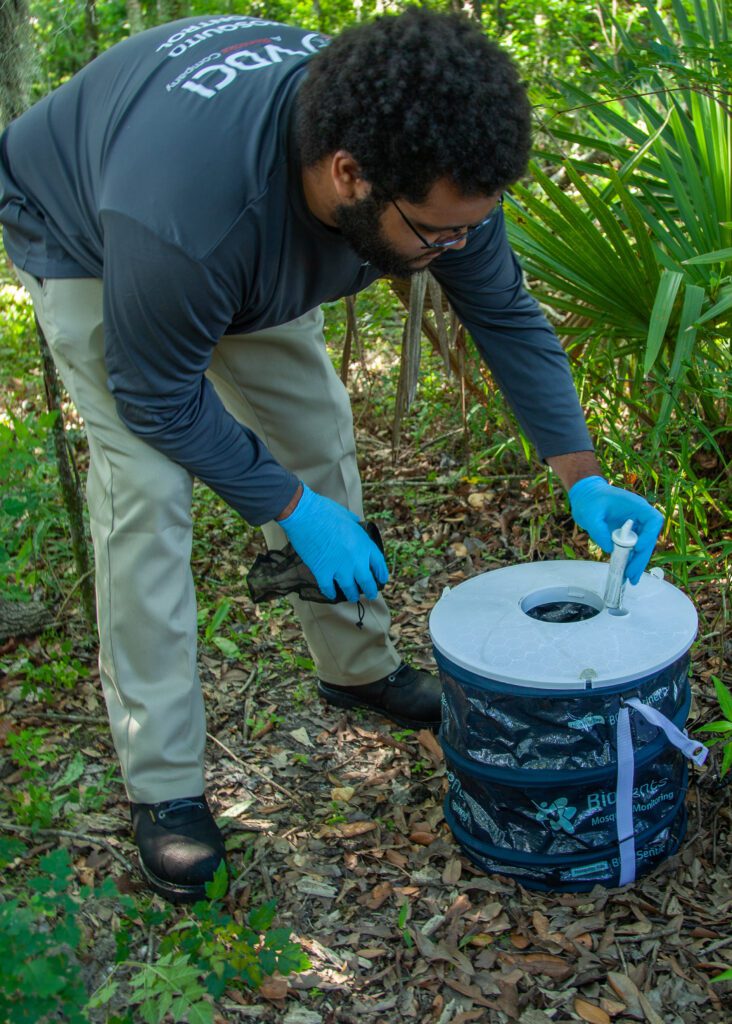
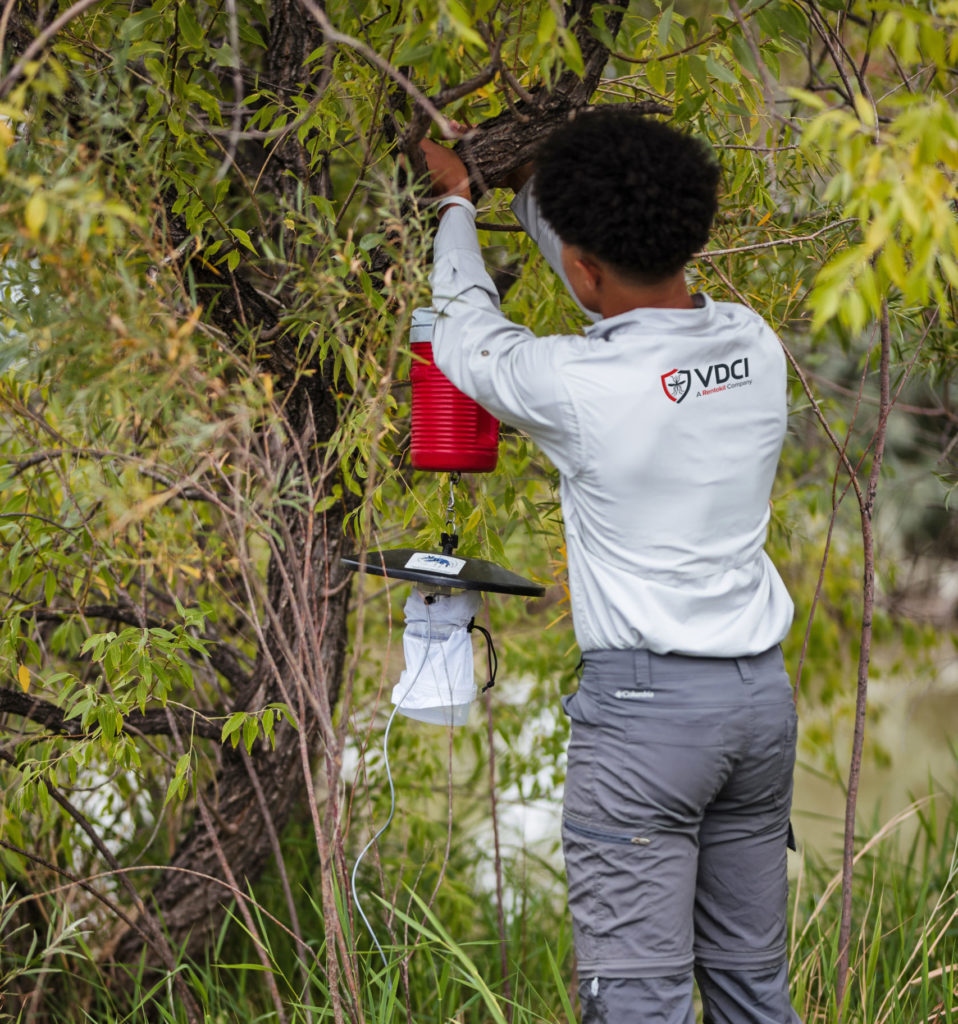
This mosquito surveillance trap is designed to capture Aedes albopictus (Asian Tiger mosquito) and Aedes aegypti (Yellow Fever mosquito), each of which are known to carry diseases, including Dengue, Chikungunya, Zika virus, and Yellow Fever. Both species thrive in urban environments where they can breed in natural and artificial containers such as gutters, bird baths, watering cans, and outdoor equipment. The BG-Sentinel trap, which is made of a tarp-like material, utilizes an attractant to lure mosquitoes into a funnel. The funnel is outfitted with an electric fan that pulls them into a net where they will remain until collection.

mosquito trapsGravid Trap

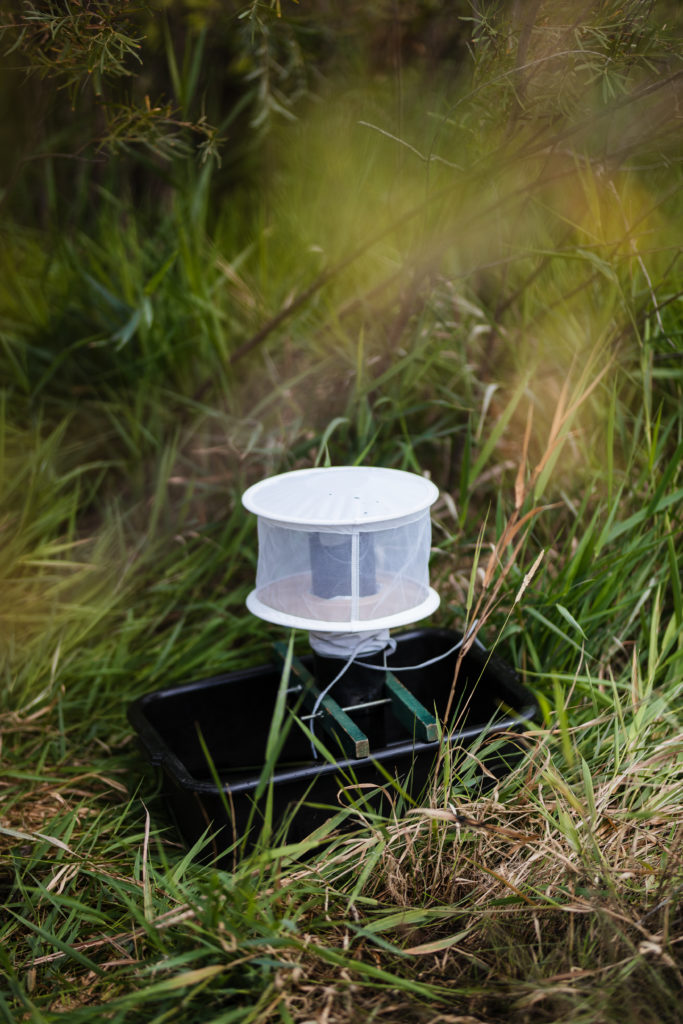
Gravid traps are designed to catch Culex mosquitoes, such as Culex tarsalis or Culex pipiens. These species are capable of spreading West Nile virus, St. Louis Encephalitis, and both Western and Eastern Equine Encephalitis. Each gravid trap is filled with stagnant water containing organic matter like grass or hay to mimic natural breeding grounds. As Culex mosquitoes approach, they are sucked by an electric fan into the trap for future collection.

New Jersey Light Trap

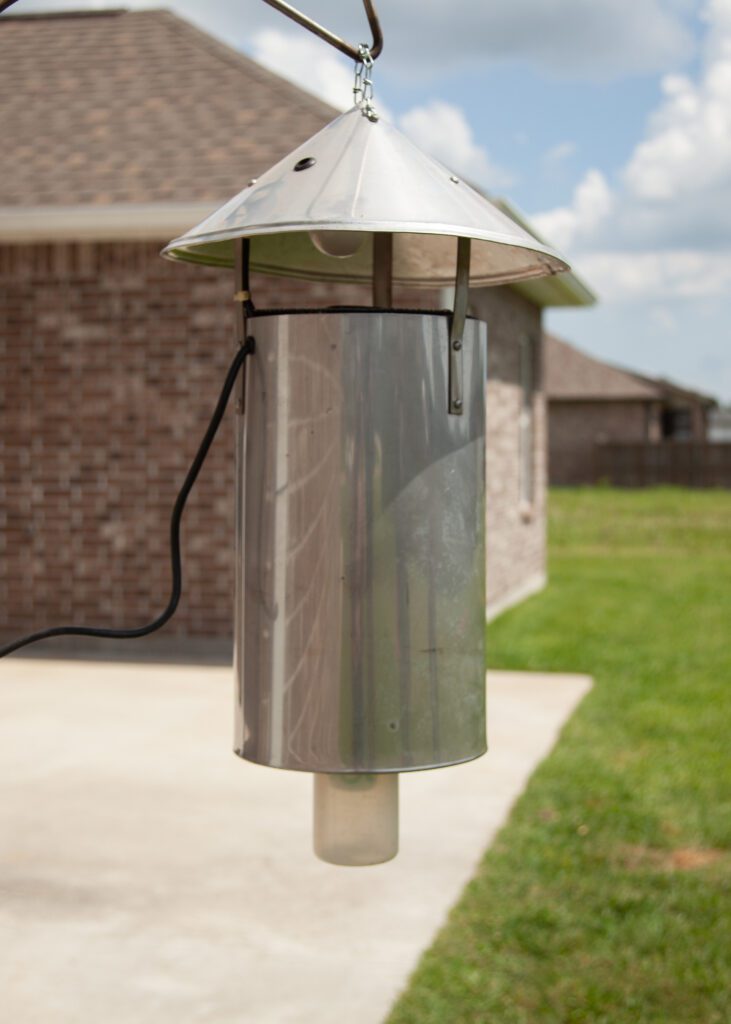
The New Jersey light trap is effective at capturing a wide spectrum of mosquito species. It is typically used as a permanent mosquito surveillance tool that’s mounted and powered by an outlet in target areas. The New Jersey light trap is a beneficial tool to support IMM programs—it is capable of collecting large quantities of local mosquitoes for scientific analysis and data collection. 

PCR Tests 

Clinical tests are commonly used in the industry to identify mosquito-borne diseases. PCR tests, for example, allow laboratory technicians to detect different bacteria or viruses that have been transmitted by mosquitoes. Though PCR tests are also used to detect Covid-19, it’s important to note that mosquitoes do not spread the SARS-CoV-2 virus.

RAMP® WNv Tests

RAMP tests are also widely used in the industry. This highly-sensitive test is designed to detect West Nile virus in mosquitoes. A RAMP test can be conducted quickly and efficiently in-house, making it particularly useful following hurricanes and weather events.

CDC Bottle Bioassay

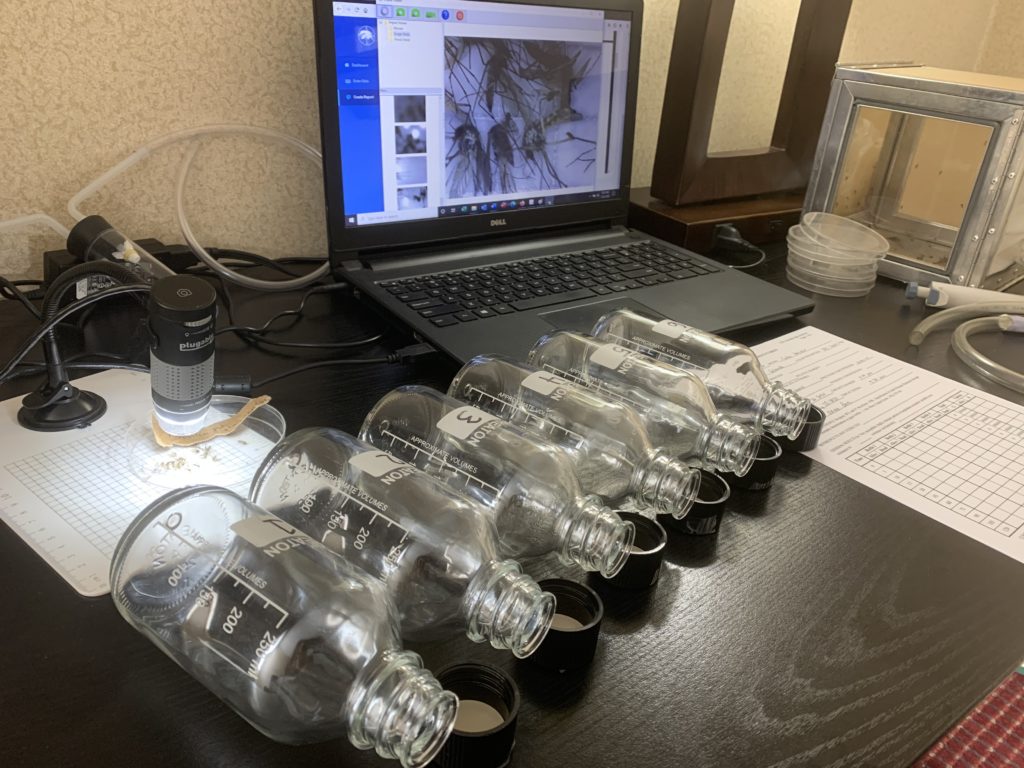
One of the most important tools when monitoring for insecticide resistance is the CDC Bottle Bioassay. As part of the testing process, bottles are coated with a diluted pesticide solution and then paired with a control group. Female adult mosquitoes are deposited into each bottle, where they are exposed to stressful conditions. Mortality data is then collected and analyzed by scientists for evidence of insecticide resistance. 

Larval Cup Bioassay

Larvicides are central to proactive mosquito management programs, and resistance is less common; however, it can still occur. Larval control agents work through either ingestion or contact with the target host, depending on the product used. Like the bottle bioassay process, cups are coated with bacterial larvicides like Bacillus thuringiensis israliensis (Bti), Bacillus sphaericus (Bs), or Spinosad and examined for mortality data. 

insecticide resistance - bottle assay

Modern GPS/GIS technologies have made it possible to gather large amounts of data for site mapping, disease tracking, and analysis. This information can be compared over time to identify trends or patterns that help advise the direction of management programs and ensure ongoing compliance with regulatory standards. 

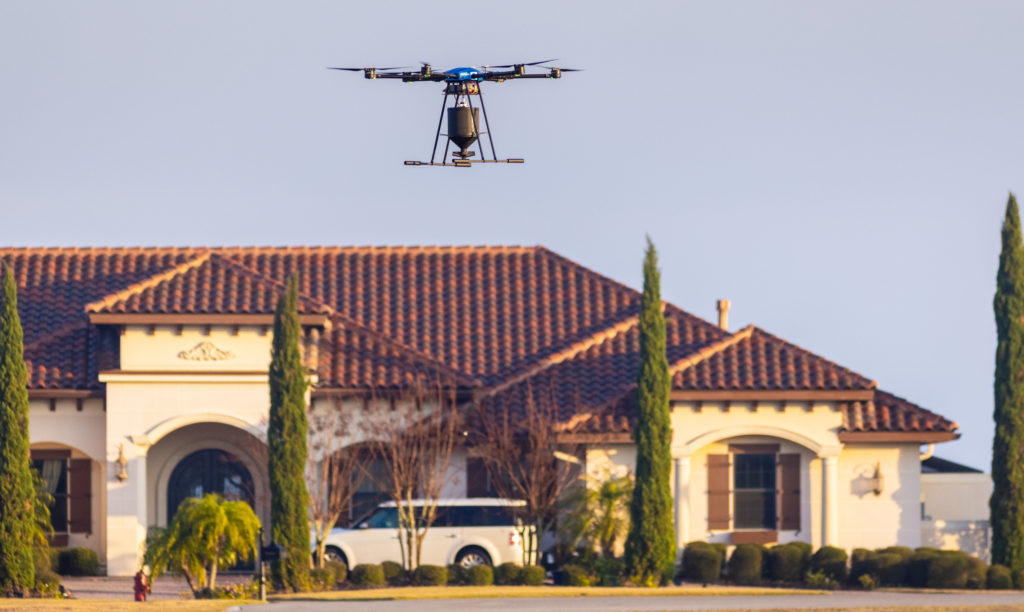
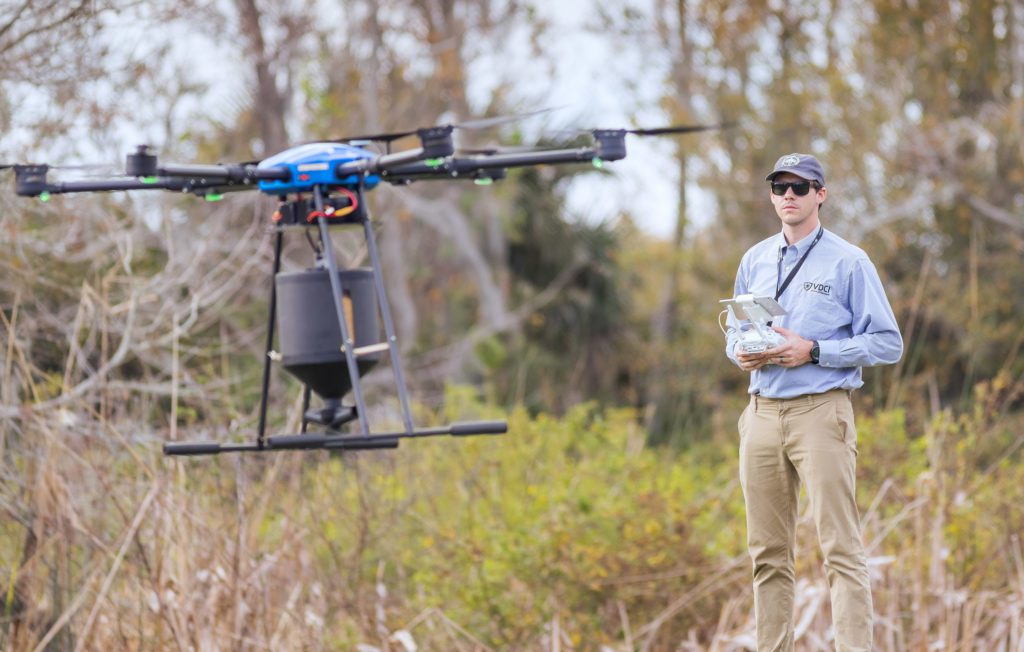
Now, GPS technologies are being integrated into advanced aerial equipment. VDCI’s state of the art drones give technicians a birds-eye-view of target sites for more streamlined site surveillance and mapping, as well as more precise pesticide applications. Likewise, advanced drones allow experts to observe and treat areas that are dangerous, like swamps and wetlands, or more private, like HOAs and other large communities.

drone surveillance

Scientists have many advanced tools at their disposal for trapping, species identification, and disease testing, but the most valuable approach is preventative management. Proactive mosquito surveillance, monitoring, communication, and stakeholder education can help experts identify and quickly mitigate disease risks before a community is impacted. VDCI has the experience, necessary mosquito surveillance equipment, industry-leading technologies, and capabilities to handle all of your mosquito surveillance and disease monitoring needs.

Contact Our Experts​

Complete the form below or call 800-413-4445 to speak to an expert who can help you develop a custom mosquito surveillance and control program to meet your community’s needs.

Government Partners in Mosquito ManagementSince 1992, Vector Disease Control International (VDCI) has taken pride in providing municipalities, mosquito abatement districts, industrial sites, planned communities, homeowners associations, and golf courses with the tools they need to run effective mosquito control programs. We are determined to protect the public health of the communities in which we operate. Our mosquito control professionals have over 100 years of combined experience in the field of public health, specifically vector disease control. We strive to provide the most effective and scientifically sound mosquito surveillance and control programs possible based on an Integrated Mosquito Management approach recommended by the American Mosquito Control Association (AMCA) and Centers for Disease Control and Prevention (CDC). VDCI is the only company in the country that can manage all aspects of an integrated mosquito management program, from surveillance to disease testing to aerial application in emergency situations.
Mosquito-Borne Disease Year In Review – 2021

West-Nile-Virus-UK-spread-Europe-outbreak-1001738

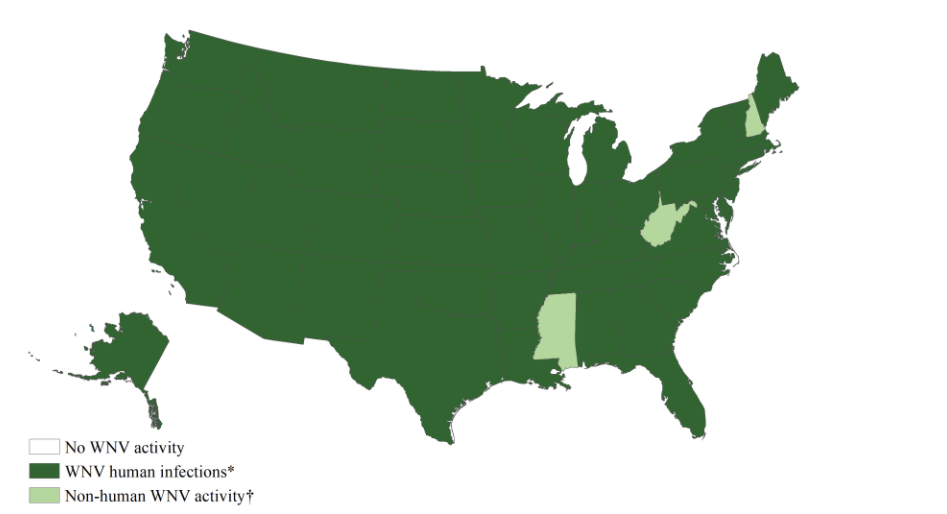
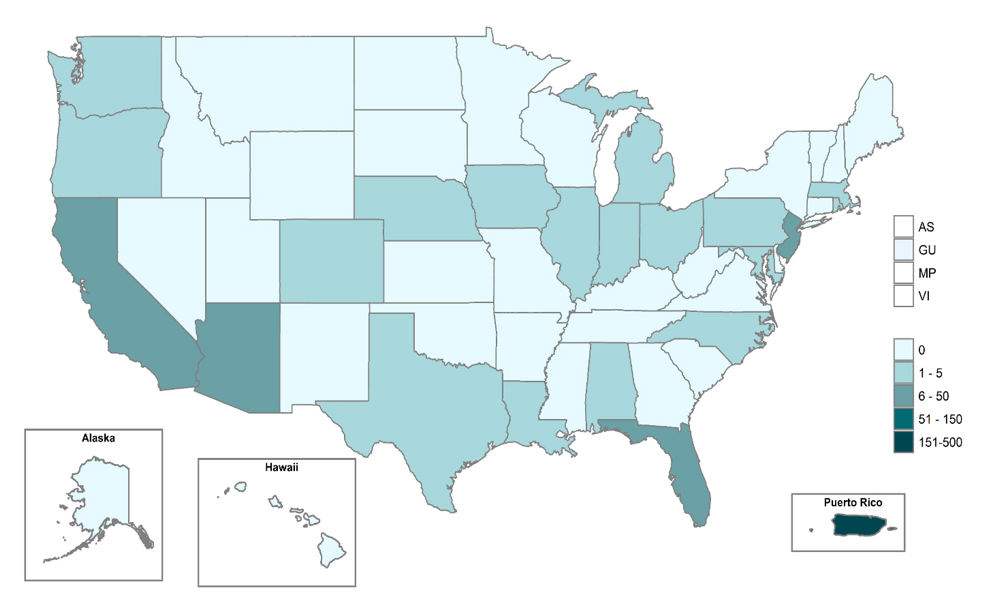
While the COVID-19 pandemic has captured the attention of the world’s leading infectious disease experts, the scientific community has continued to track the transmission of mosquito-borne diseases, including West Nile, Zika, Chikungunya, Dengue, and other dangerous illnesses. As of December 14, 2021, the Center for Disease Control (CDC) reports that more than 2,400 human infections of West Nile occurred in the United States in the past year, of which 165 resulted in death. Nearly every state in the country has been affected, with  Arizona, Colorado, California, and Nebraska representing the most cases.

West Nile Virus

CDC WNV 11.30.21 This map from CDC shows West Nile virus activity across the U.S. in 2021.

As in years past, West Nile virus (WNv) continues to be the most reported and most deadly mosquito-borne disease in the United States. WNv is carried by over 150 species of mosquitoes, which usually pass the virus to humans after feeding on infected birds. Scientists have identified Culex pipiens, Culex tarsalis, and Culex quinquefasciatus as the primary vector species.

Approximately 20% of people infected with WNv experience flu-like symptoms such as nausea, headache, muscle pain, fever, and swollen lymph glands. These symptoms may also be accompanied by rashes, sleepiness, disorientation, and stiff neck. Among those infected, less than 1% will go on to develop West Nile Encephalitis or Meningitis. This can result in tremors, convulsions, paralysis, coma, and even death.

WNv transmission is cyclical in nature, with 2021 data showing a significant increase in both total cases and death:

2021: Cases
2,445 Cases
2021: Deaths
165 Deaths

This chart reflects data taken on December 14, 2021.

2020 – 28 cases in citizens returning from travel, 0 cases in U.S. territories 

2019 – 192 cases in citizens returning from travel, 2 cases in U.S. territories 

2018 – 116 cases in citizens returning from travel, 8 cases in U.S. territories 

To learn more about the symptoms, treatment, and mosquito species that vector this virus, visit our educational page on West Nile virus.

Zika Virus

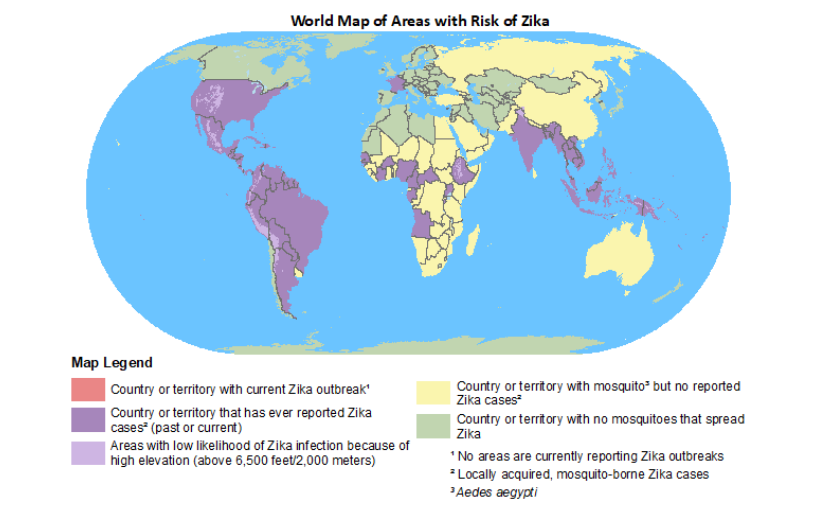
CDC ZikaThis map from CDC shows Zika virus activity around the world.

Zika is a dangerous virus that primarily affects Africa and South America. Historically, U.S. citizens have become infected while traveling abroad, but warming climates have allowed the presence of Zika in the southern United States as well. Unlike other types of viruses, which require an animal reservoir host, mosquitoes are able to transmit Zika by simply feeding on the blood of an infected person. This can increase the spread very quickly during the summer months. 

In the United States, Zika is typically transmitted by Aedes aegypti, but growing evidence suggests that the Asian Tiger Mosquito (Aedes albopictus) could also be a vector. Common symptoms of infection include fever, rash, headache, joint pain, muscle pain, and Conjunctivitis (red eyes). Zika very rarely results in death; however, it can cause serious congenital disabilities when an infection occurs during pregnancy. These typically manifest as microcephaly (collapsed skull), decreased brain tissue, eye tissue damage, and joint or muscle tone complications.

After an alarming peak in 2016, when the CDC reported more than 40,000 cases in the U.S. and its territories, Zika cases have decreased to remarkable lows. This may, in part, be due to pandemic-related travel restrictions:

2021: Cases in the United States
28 Cases
2021: Returning From Travel
1 Case

This chart reflects data taken on December 14, 2021.

2020 – 4 cases in citizens returning from travel, 57 cases in U.S. territories

2019 – 27 cases in citizens returning from travel, 74 cases in U.S. territories

2018 – 73 cases in citizens returning from travel, 148 cases in U.S. territories 

To learn more about the symptoms, treatment, and mosquito species that vector this virus, visit our educational page on Zika virus.

Chikungunya Virus

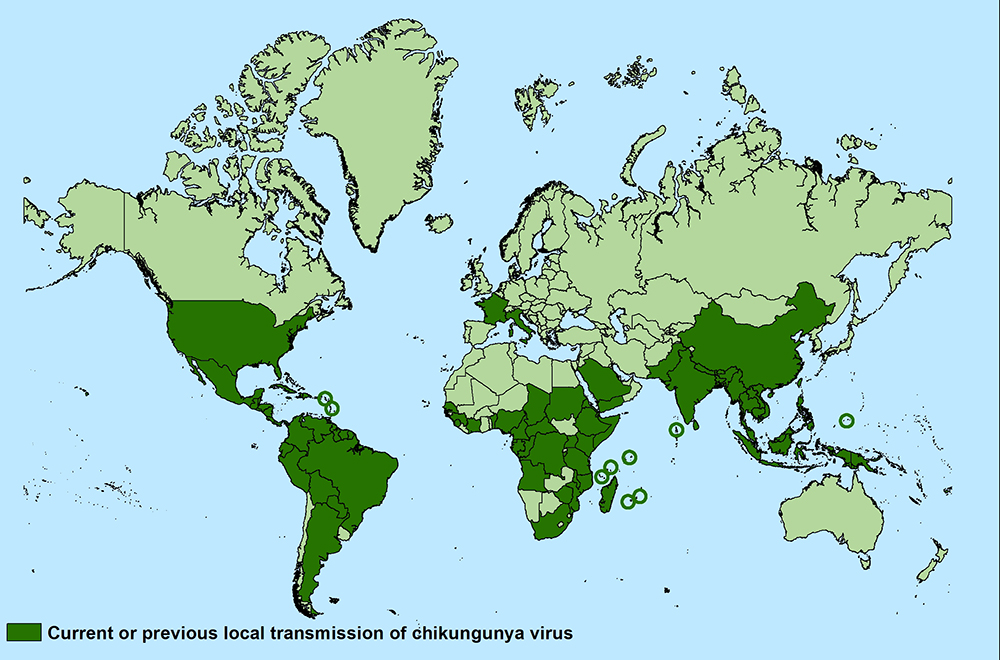
CHIK-World-Map_10-30-2020This map from CDC shows Chikungunya virus activity around the world in 2020.

Chikungunya (chik-en-gun-ye) is less well-known than other mosquito-borne diseases, but has become more widespread among American citizens, most often when traveling abroad. Like Zika, Chikungunya virus can spread when mosquitoes feed on a person who is carrying the infection. Chikungunya is also primarily transmitted by Aedes mosquitoes.

Those infected with Chikungunya virus may experience painful and even disabling symptoms that appear 3-7 days after transmission. These most often include fever, severe joint pain, and rash. Death is very rare and, in fact, infected individuals tend to develop immunity from future infections.

Annual U.S. Chikungunya cases have dropped dramatically in recent years - reaching a record low in 2021. This may, in part, be due to pandemic-related travel restrictions and effective mosquito control interventions:

2021: Cases in the United States
0 Cases
2021: Returning From Travel
21 Cases

This chart reflects data taken on December 14, 2021.

2020 – 28 cases in citizens returning from travel, 0 cases in U.S. territories

2019 – 192 cases in citizens returning from travel, 2 cases in U.S. territories

2018 – 116 cases in citizens returning from travel, 8 cases in U.S. territories 

To learn more about the symptoms, treatment, and mosquito species that vector this virus, visit our educational page on Chikungunya.2018 – 116 cases in citizens returning from travel, 8 cases in U.S. territories.

Dengue Virus

DengueThis map from CDC shows Dengue activity across the U.S. in 2021.

While many people think of Dengue as a disease we don’t need to worry about in the United States, mosquitoes capable of transmitting this virus are abundant in many areas of the country and quickly expanding their range.  Characteristic symptoms of dengue include high fever, rash, in addition to muscle and joint pain. In severe cases there can be serious bleeding or shock, which is life threatening.

In 2021 there were 86 human cases of Dengue diagnosed in 23 states across the continental United States.

To learn more about the symptoms, treatment, and mosquito species that vector this virus, visit our educational page on Dengue.

Human Cases (2021)
0
States Affected Across the U.S. (2021)
0

Monitoring Real-Time U.S. Mosquito-Borne Disease Activity

The key to limiting the spread of mosquito-borne diseases is monitoring and prevention. Municipalities and mosquito abatement districts often execute Integrated Mosquito Management (IMM) programs to help protect communities, but private citizens can support these efforts and empower themselves with disease tracking tools like the CDC’s ArboNet map. The map provides a live overview of reported mosquito activity and the most common vector-borne diseases, including:

  • West Nile Virus (WNV)
  • St. Louis Encephalitis (SLE)
  • Eastern Equine Encephalitis (EEE)
  • La Crosse (LAC)
  • Dengue (DEN) locally-acquired and travel-associated
  • Chikungunya (CHIK) locally-acquired and travel-associated
  • Zika Virus (ZIKA) locally-acquired and travel-associated
  • Powassan Virus (a tick-borne disease)

*ArboNet is designed to reflect real-time information, but there are times when it may not be in sync. This resource is easy to navigate and can be sorted by disease type, state, and year.

Public Education in Reducing Mosquito Populations 2 bugspray mosquito prevention health and safetyIn addition to staying informed about the risks posed by mosquitoes in your community, it’s important to observe any travel warnings issued by the CDC, particularly when pregnant. It’s also essential to exercise personal protection measures like wearing insect repellent and exercising best practices around your property to reduce mosquito reproduction.

VDCI is committed to public education and spreading awareness throughout the U.S. about the dangers of mosquito-borne diseases and their preventability, with the overarching goal of reducing illness and fatalities. Our dedicated and experienced team works tirelessly with local governments to prevent the spread of mosquito-borne diseases in all of the contracts we service from coast to coast.

VDCI Wants To Make Your Community Safer. How Can We Help?

Speak to an expert about implementing an IMM program.

Fill out the information below, and one of our experts will follow up with you shortly.

Since 1992, Vector Disease Control International (VDCI) has taken pride in providing municipalities, mosquito abatement districts, industrial sites, planned communities, homeowners associations, and golf courses with the tools they need to run effective mosquito control programs. We are determined to protect the public health of the communities in which we operate. Our mosquito control professionals have over 100 years of combined experience in the field of public health, specifically vector disease control. We strive to provide the most effective and scientifically sound mosquito surveillance and control programs possible based on an Integrated Mosquito Management approach recommended by the American Mosquito Control Association (AMCA) and Centers for Disease Control and Prevention (CDC). VDCI is the only company in the country that can manage all aspects of an integrated mosquito management program, from surveillance to disease testing to aerial application in emergency situations.
Reshaping the Mosquito Control Industry

SOL_VDCI_Day1_finals_2915_737

Every year, new technologies emerge that help keep people safer, healthier, and happier. This includes technologies used in the mosquito management industry.

Vector-borne diseases spread by mosquitoes are responsible for killing more than one million people annually. That’s why the development of new innovations is key in the mission to prevent mosquitoes from endangering communities worldwide. 

When we choose to utilize advanced technologies, it’s because they enhance the accuracy, efficacy, and safety of our work. Here are some of the advanced mosquito trapping methods and innovations we utilize as part of mosquito surveillance programs and Integrated Mosquito Management programs to help keep the communities we serve safe.

Without data, it’s difficult to understand the effectiveness of mosquito control efforts or fully demonstrate to stakeholders the financial return of their investment. It’s also more challenging to strategize an effective management plan. GIS mapping can be utilized in nearly every facet of an integrated mosquito management program, from tracking larval and adulticide applications to monitoring mosquito populations and disease data via mosquito surveillance equipment. Over time, this information can be analyzed to identify trends or patterns and determine the overall impact of treatment efforts.

Mosquito Surveillance Traps and Lab Analysis

Mosquito Surveillance & Disease Testing Reduce Mosquito-borne Disease 3

Mosquito surveillance traps are not used to control adult mosquitoes; rather, they serve as an advanced mosquito trapping method and an important surveillance tool for collecting data on species distribution and population dynamics. This advanced mosquito trapping method allows experts to assess vector competence and calculate disease risk effectively.

Our professionals utilize several types of mosquito surveillance traps, including the CDC Miniature Light Trap, Gravid Trap, BG-Sentinel, and New Jersey Light Trap, just to name a few.  Collection, counting, and identification of the mosquitoes through a mosquito surveillance program help staff determine which abatement solutions should be employed.  Once collected, mosquitoes also undergo professional testing and analysis at the lab. Oftentimes, the diseases mosquitoes can transmit can be detected in the mosquitoes themselves weeks before they can be passed on to their human and animal hosts. This gives mosquito management experts a window of opportunity to take action to reduce the risk of human disease transmission in the local community and is one of the reasons that mosquito surveillance programs are so vital.


Mosquito management professionals utilize several technologies when conducting larviciding and adulticiding applications. Data gathered from advanced mosquito trapping methods ensures that we are spraying in the right places and at the right time.

CDCMosquito-adult-larviciding-2-scaled

Ground Application Technology

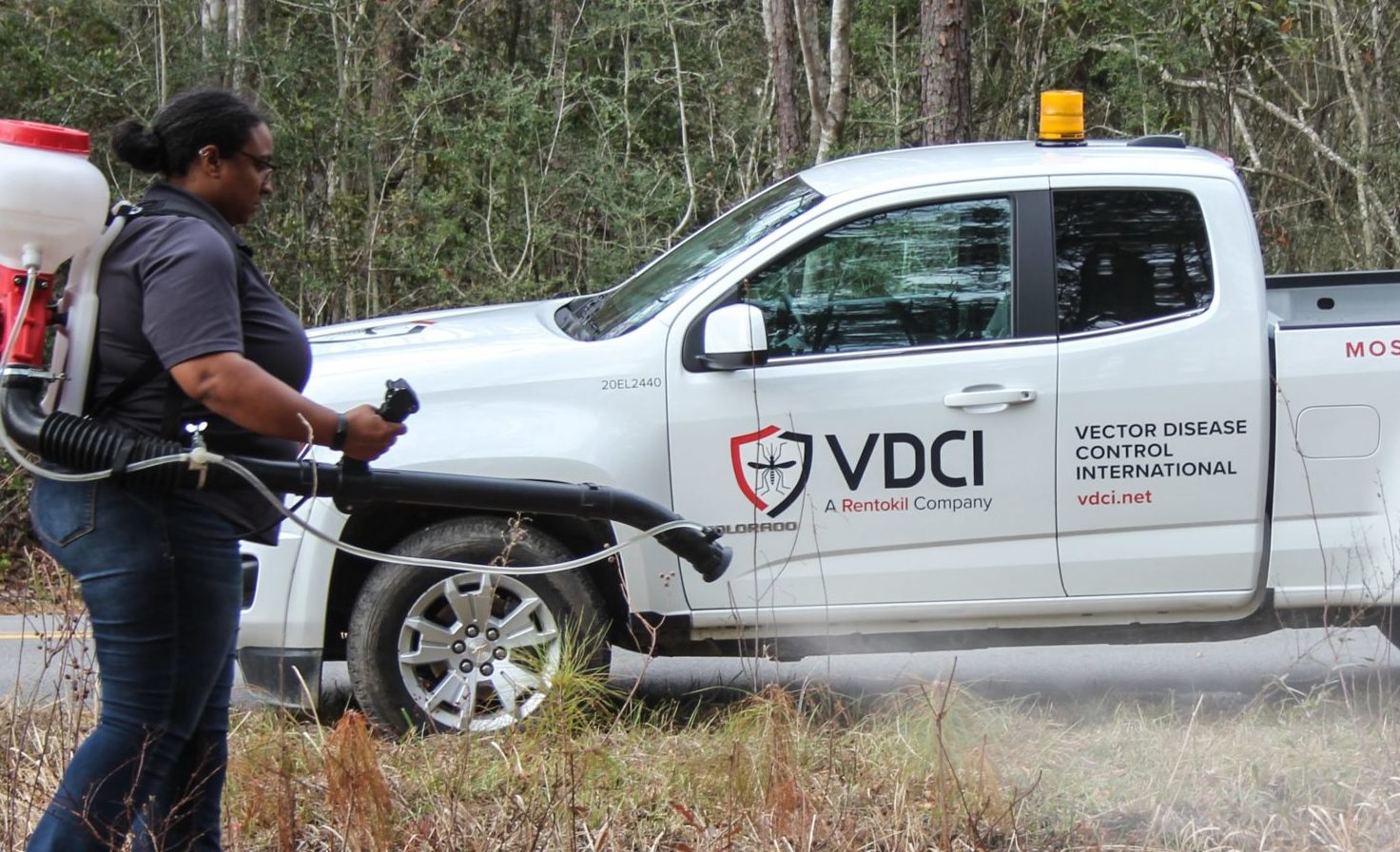
For smaller areas, crews may choose to perform ground applications using either backpacks or power sprayers capable of holding 2-100 gallons of product.  Whether an application is done by hand or with specialized truck-based equipment, they’re calibrated frequently, and all applications are recorded in VDCI”s proprietary database.

Planes

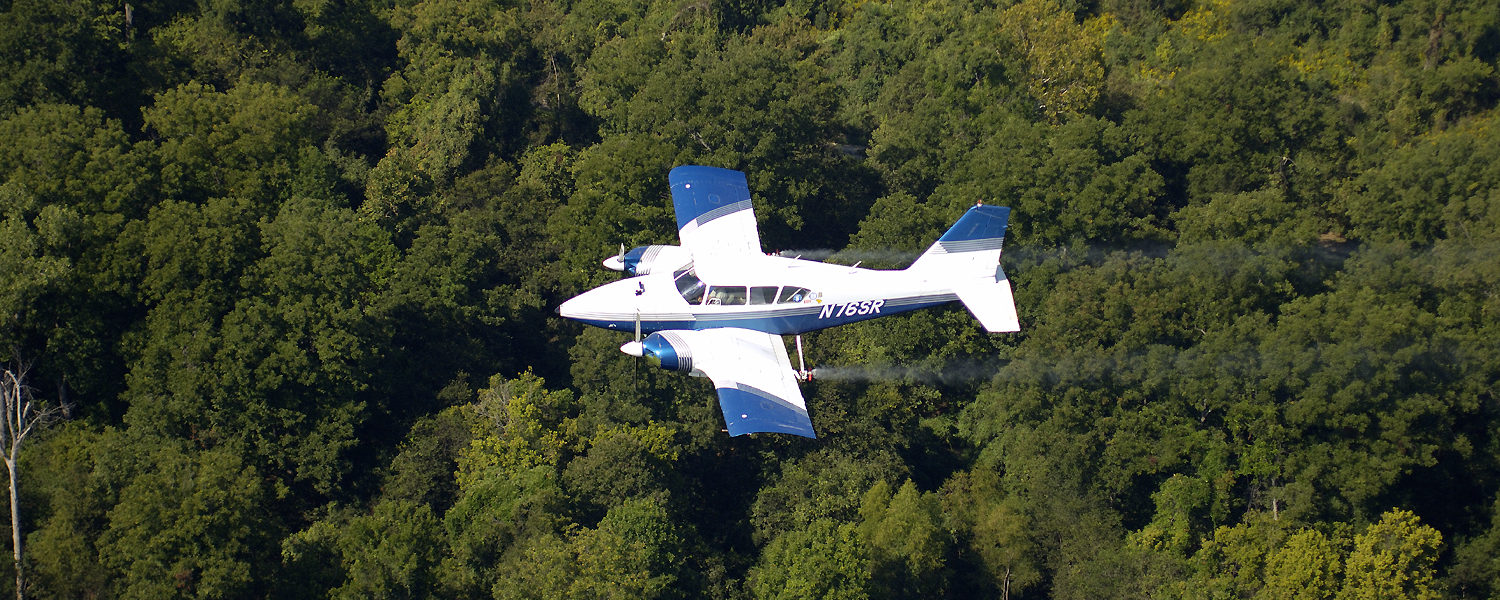
For large areas that need to be treated quickly or places you simply can’t access with vehicles, aerial fleets are the go-to option. VDCI operates one of the world’s largest aerial fleets dedicated to mosquito control and services customers from coast to coast.

Aerial Spraying Malcom 9

Aircraft equipped for adult mosquito control utilize the Wingman® GX spray optimization and guidance software in addition to an AIMMS-20 onboard meteorological probe to ensure the most effective application possible. This integrated system is the only scientifically validated one of its kind that incorporates constant real-time meteorological data at the release height to optimize the entire application. This optimization ensures that the maximum spray cloud droplet density is delivered to the target zones, thus providing you with the maximum level of mosquito control.

Each member of VDCI’s flight crew is highly trained and licensed through the Federal Aviation Administration (FAA). Crews utilize military-grade ANVIS -6 night vision goggles on all nighttime spray missions to increase visibility and accuracy. At the completion of each spray mission, data is downloaded from the aircraft, and reports are generated, providing our customers with a visual depiction of the spray mission, along with the vital statistics of each spray.

Unmanned Aerial Drones

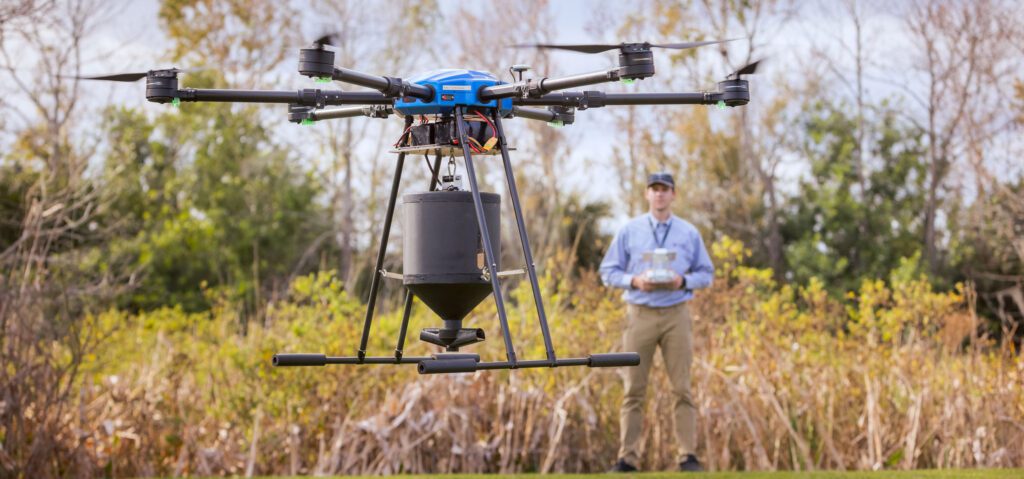
Recent advancements in drone technology have provided a new way to reach and treat areas that were previously inaccessible via ground or plane.

drones mosquito management

Our drones are custom-built by Leading Edge Aerial Technologies, Inc. for commercial applications. Each drone exhibits a 6ft wingspan and is equipped with superior features that are operated remotely by a professional team. Drones are supported by GPS technology to access mapped target sites and guide precision applications using granular products. They are also configured with state-of-the-art software that blocks filming, so homeowners can have peace of mind while drone applications occur nearby.

VDCI Remains At The Forefront of Vector Industry Advancements

VDCI is committed to staying at the forefront of technological advancements in mosquito surveillance and mosquito control, and creating new standards for safety and efficiency. We employ a wide array of technology, ranging from advanced mosquito trapping methods and laboratory analysis to advanced software systems.and specialized application equipment. Our advanced mosquito trapping methods and state-of-the-art technology ensure the highest standards of precision and efficiency in mosquito management. We strive to provide you with the most comprehensive mosquito surveillance and management services possible to help keep your communities safe and outdoor spaces enjoyable. Contact or call our experts at 844-369-9472 to discuss the most effective control solutions for your community.

VDCI Wants To Make Your Property Safer.
How Can We Help?

Fill out the information below, and one of our experts will follow up with you shortly.

VDCI_Logo_squareSince 1992, Vector Disease Control International (VDCI) has taken pride in providing municipalities, mosquito abatement districts, industrial sites, planned communities, homeowners associations, and golf courses with the tools they need to run effective mosquito control programs. We are determined to protect the public health of the communities in which we operate. Our mosquito control professionals have over 100 years of combined experience in the field of public health, specifically vector disease control. We strive to provide the most effective and scientifically sound mosquito surveillance and control programs possible based on an Integrated Mosquito Management approach recommended by the American Mosquito Control Association (AMCA) and Centers for Disease Control and Prevention (CDC). VDCI is the only company in the country that can manage all aspects of an integrated mosquito management program, from surveillance to disease testing to aerial application in emergency situations.

How Surveillance and Disease Testing Reduces the Threat of Mosquito-borne Diseases

CDCMosquito Mosquito Surveillance & Disease Testing Reduce Mosquito-borne Disease 5

In order to execute a successful integrated mosquito management program, mosquito surveillance is key. Through a mosquito surveillance program, entomologists are able to identify species composition, population dynamics, and the threat of dangerous mosquito-borne diseases. This information helps decision-makers choose the most effective management approach to control mosquitoes and protect community members in their area.

Gathering Population Data Through Adult Mosquito Surveillance

Mosquito Surveillance & Disease Testing Reduce Mosquito-borne Disease 3Adult mosquito surveillance is conducted in areas that have historically produced mosquito populations of a nuisance and/or public health concern or in novel areas in response to natural disasters like flash floods and hurricanes. 

Adult mosquito surveillance programs are accomplished through the use of specialized mosquito surveillance traps that are strategically placed throughout a given area. 

Mosquito surveillance traps are selected and placed based on mosquito concentrations, activity periods, and habitat characteristics like climate, wind, weather, and time of year. 

Testing for Mosquito-Borne Diseases In the Lab

Technician examining mosquito samples under microscope in laboratory

Trapped mosquitoes are then taken back to a laboratory for scientific examination, which involves species identification and counting. While some areas are primarily impacted by a single mosquito species, others may be home to vast and diverse populations. Entomologists study physical markers like colors and patterns of scales, setea, spines, and other features to distinguish between the 175+ species found in North America. Examinations also include disease testing. Different mosquito species are known for carrying specific pathogens such as West Nile virus (WNv)MalariaEastern Equine EncephalitisDengue FeverYellow FeverZika Virus, and Chikungunya.

Utilizing Lab Data to Make Informed Management Decisions

Armed with this knowledge, entomologists can determine the severity of an outbreak and respond with the most effective management solutions based on the habits and characteristics of the target species. Often, experts utilize either truck-mounted sprayers, drone technology, or aerial fleets to apply adulticides at the proper rate and product droplet size. During this process, GPS technology is used to ensure safe and even distribution across large areas.

mosquito technician using a drone

These mosquito elimination efforts are most effective when conducted as part of a customized Integrated Mosquito Management (IMM) program. And a vital component of any IMM program is mosquito surveillance conducted with specialized mosquito surveillance equipment. IMM programs use a comprehensive toolbox of solutions to target mosquito populations and proactively prevent them. These programs typically require coordination between many different stakeholders, municipal entities, and public education providers. They may also evolve significantly over time in response to species population surges and possible insecticide resistance. 

Ultimately, no matter what kinds of challenges a community faces, consistent surveillance and disease monitoring serve as the foundation of their management efforts. Discover how our team can support an existing program through mosquito surveillance or help you develop a custom program to meet your community’s needs by contacting our mosquito experts or calling us at 800-413-4445.

VDCI Wants To Make Your Property Safer.
How Can We Help?

Fill out the information below, and one of our mosquito surveillance experts will follow up with you.

VDCI_Logo_squareSince 1992, Vector Disease Control International (VDCI) has taken pride in providing municipalities, mosquito abatement districts, industrial sites, planned communities, homeowners associations, and golf courses with the tools they need to run effective mosquito control programs. We are determined to protect the public health of the communities in which we operate. Our mosquito control professionals have over 100 years of combined experience in the field of public health, specifically vector disease control. We strive to provide the most effective and scientifically sound mosquito surveillance and control programs possible based on an Integrated Mosquito Management approach recommended by the American Mosquito Control Association (AMCA) and Centers for Disease Control and Prevention (CDC). VDCI is the only company in the country that can manage all aspects of an integrated mosquito management program, from surveillance to disease testing to aerial application in emergency situations.
Mosquito of the Month: Aedes aegypti

Close up a Aedes aegypti mosquito on human skin

Mosquito of the Month: Aedes Aegypti – The Yellow Fever Mosquito

“Celebrity status” isn’t generally something bestowed upon an insect. And yet one mosquito, Aedes aegypti, has been a part of the Zika headlines almost daily for much of the last year, garnering nearly as much attention from the press as the presidential candidates during this election year.

No other mosquito species has had such a dramatic impact on human history. Also known as the Yellow Fever Mosquito, Aedes aegypti was the first mosquito implicated as a vector of human disease. Experiments in the 1880’s by Cuban physician, Carlos Finlay, demonstrated that when one of these mosquitoes took a blood meal from a patient with Yellow Fever, it could transmit the disease to a healthy person just a couple days later during a subsequent bite. Initially, few people – including members of the scientific community – took the idea seriously, finding it hard to believe that such a small insect could kill a full grown person. It took a couple of decades and many additional experiments to finally prove Finlay’s theory.

yellow fever mosquito 2Today, many mosquito species have demonstrated the ability to be competent vectors of a variety of mosquito-borne diseases affecting not only humans but also many other animals. Aedes aegypti not only carries Yellow Fever, but is also a vector of West Nile viruschikungunyadengue, and more recently making the news as the primary vector of the Zika virus. While a vaccine exists now to protect us from Yellow Fever, vaccines for the other diseases are still under development and keeping a close eye on the Aedes aegypti species remains a top priority in many Integrated Mosquito Management (IMM) programs.

The reports in the news focus on this mosquito’s role as a disease vector, labeling it as an evil species worthy of extinction. In fact, current research is developing technologies that may allow us to eradicate this species completely in the not-too-distant future, an ethical dilemma during a time when millions of dollars are spent annually to protect other species from extinction. As an entomologist, I find it hard not to admire the adaptability of this mosquito that only a few hundred years ago existed unnoticed by most humans in the dense tropical forests of Africa. Centuries of shipping trade, especially the trans-Atlantic transport of African slaves in the early-16th through mid-19th centuries, have spread Aedes aegypti (and diseases that it carries) around the world, establishing permanent populations in warmer climates.

Asian tiger mosquito_Aedes_Albopictus-1Like the closely related Asian Tiger Mosquito (Aedes albopictus), the Yellow Fever mosquito is quite beautiful on a microscopic scale. Jet black scales adorn the body and legs, marked by bright silvery-white scales on the sides of their thorax and abdomen, and ringed with white bands on each leg segment. A distinctive pattern of white scales form a “lyre-shaped” pattern on the top of the thorax. [What is a “lyre” you ask? It is that miniature harp-like string instrument that was a favorite of ancient Greek musicians.]. This is a stunning beauty as mosquitoes go.

Several features of this mosquito’s natural history have allowed it to adapt to life around humans successfully. In their native African forests, rain-filed containers, especially those found in tree-hollows, served as home to the larval stage of the mosquito. Females lay eggs just above the water surface, such that when the container fills, the eggs are flooded and hatch. The eggs can remain dry for years without hatching, waiting for rain water to flood them. Human habitations are surrounded by similar small watery containers, including rain gutters, flower pots, bird baths, and even children’s toys that could serve as larval habitats for the Yellow Fever mosquito.

Ironically, many cemeteries where victims of Yellow Fever are buried have flower vases attached to the tomb stones, holding enough water to serve as larval habitat for more Yellow Fever mosquitoes. One of the most effective ways to control this species is to simply eliminate water containers around the home where the larvae could live. These mosquitoes are also daytime fliers, a challenge for control programs that only target the adults since daytime pesticide fogging can increase the likelihood of negative impacts on non-target insects.

Will the Yellow Fever Mosquito be allowed to continue impacting human history through the spread of disease? We have the capability to reduce their populations and thereby reduce the incidence of diseases that they vector. Unlock Automated Profits — Let AI Bots Handle Crypto, Forex, CFDs, and Stocks for You canwealth reviews. Perhaps we are within our right to eradicate it from most of the planet, especially since humans are responsible for expanding this mosquito’s range around the world. However, perhaps extinction is more than it deserves, and relict populations of this beautiful insect can be allowed to persist in the dense uninhabited forests of its native Africa.

YouTube player

Contact Us

Contact the vector professionals at 800.413.4445 for all your integrated tick & mosquito control needs.

VDCI_Logo_squareSince 1992, Vector Disease Control International (VDCI) has taken pride in providing municipalities, mosquito abatement districts, industrial sites, planned communities, homeowners associations, and golf courses with the tools they need to run effective mosquito control programs. We are determined to protect the public health of the communities in which we operate. Our mosquito control professionals have over 100 years of combined experience in the field of public health, specifically vector disease control. We strive to provide the most effective and scientifically sound mosquito surveillance and control programs possible based on an Integrated Mosquito Management approach recommended by the American Mosquito Control Association (AMCA) and Centers for Disease Control and Prevention (CDC). VDCI is the only company in the country that can manage all aspects of an integrated mosquito management program, from surveillance to disease testing to aerial application in emergency situations.