
Zika-Carrying Aedes Aegypti: Municipal Mosquito Control Solutions

Urban waterfront with downtown office buildings, green park space, and river seawall on a clear day

Your Partner In Government Mosquito Management

Based on the spread of Zika virus in 2016, many municipalities are revisiting how they prepare for the 2017 mosquito season.

We previously provided an overview on why Aedes aegypti is a species that is challenging the mosquito control industry. Because of these challenges, mosquito management experts continue to explore new methodologies to manage Aedes aegypti populations, with the goal always being to protect public health by providing the best solutions to the unique needs of communities.

Understanding If A Threat Exists: Surveillance, Monitoring, and Disease Testing

As discussed in our recent blog, surveillance and monitoring of Aedes aegypti require specialized trapping methods, and there are some proven models as well as novel trap designs that provide great insight into the presence and population density of a species within a given area. The discovery of Aedes aegypti in a community does not mean Zika is soon to follow. After identifying captured mosquitoes, the next step should be to conduct disease testing to determine if a threat exists within the community.

A Potential Threat Is Discovered – What Happens Now?

If it is determined that a threat of Zika virus transmission exists, either due to a locally transmitted human case or a trap producing a positive test for Zika virus, mosquito management experts will take appropriate steps to aid in the management of the target species in order to protect public health. The best course of action is to evaluate the threat based upon mosquito density, larval habitat availability, and even local human customs and behaviors.

The levels of complexity involved in controlling this unique species reinforces the need for experienced professionals. Not all mosquitoes or the vector-borne diseases they carry are the same, and we must consider many factors before providing an action plan.
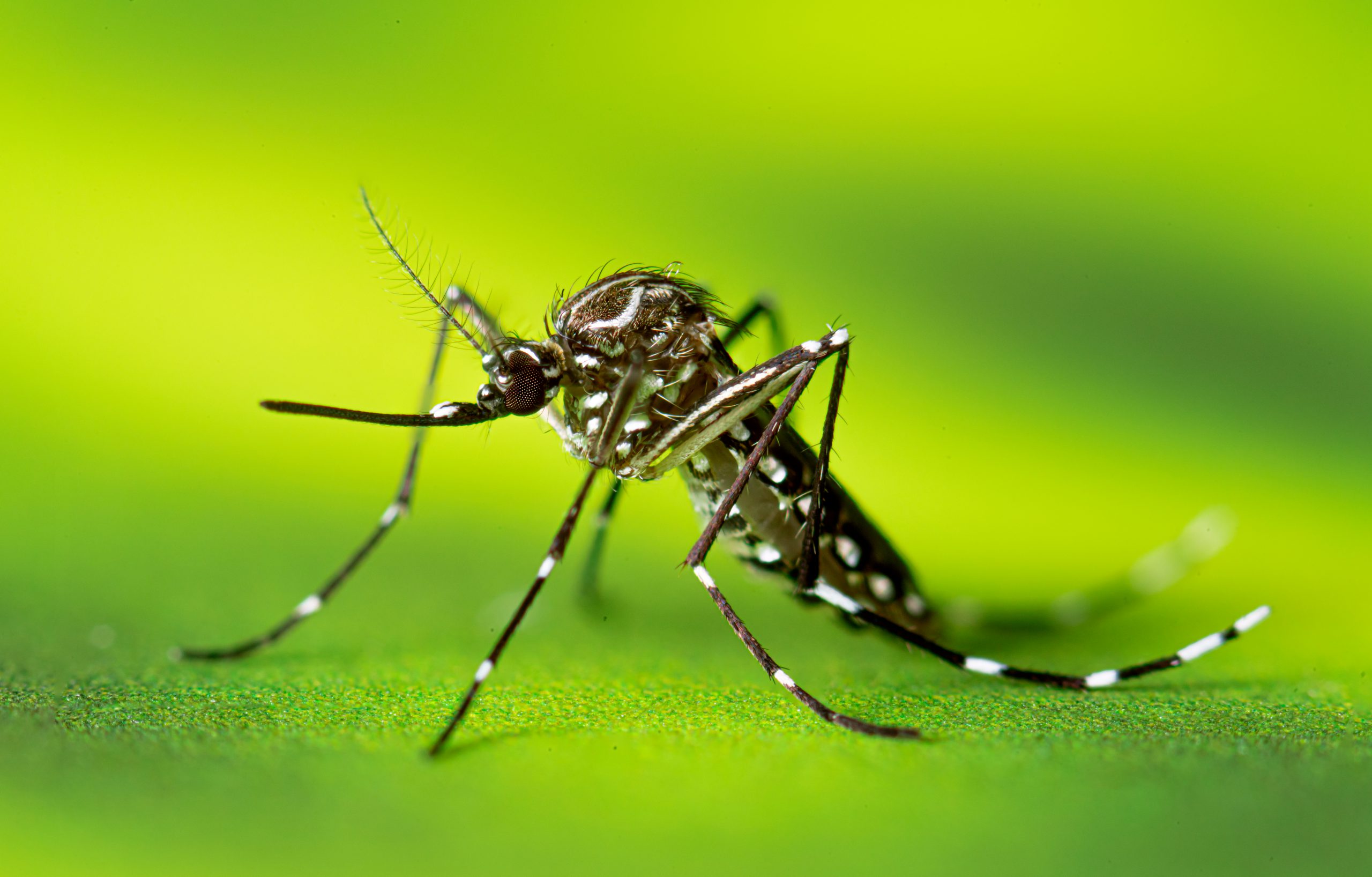
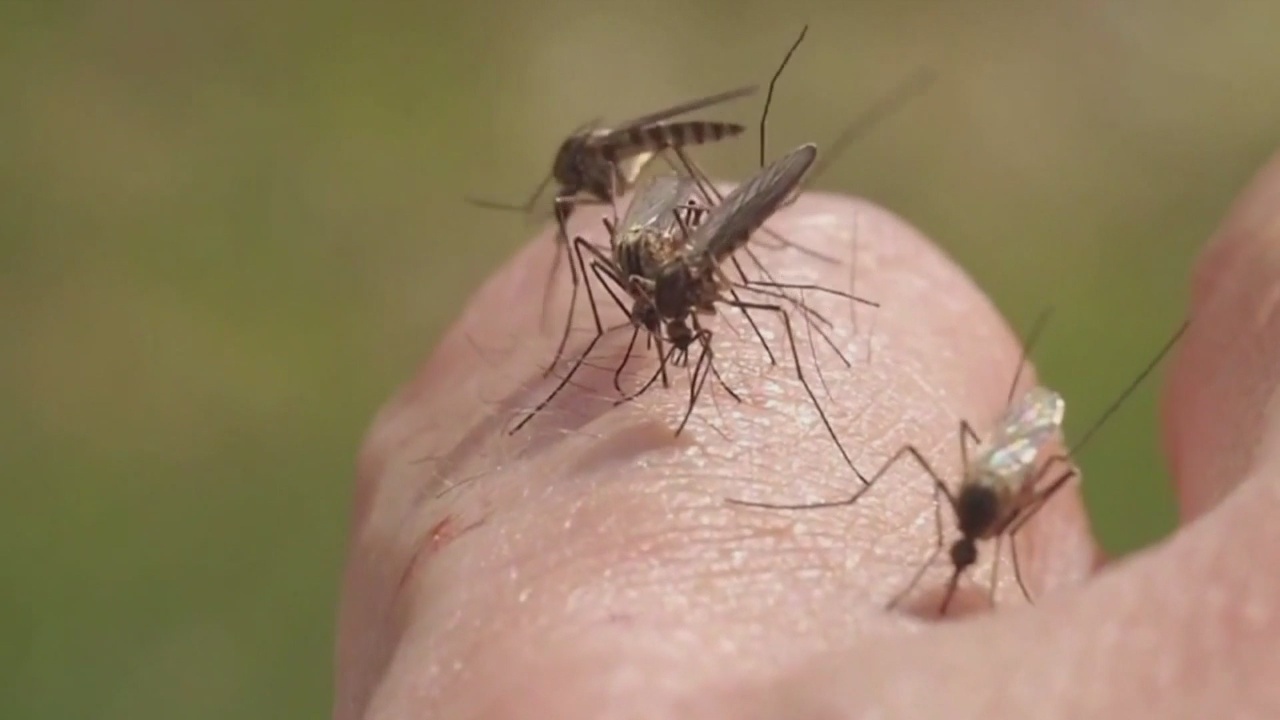
Aedes_aegypti_Adult_Mosquitoes

As mentioned in previous blogs, the Aedes aegypti species is particularly difficult to control due to its breeding preferences and day-time activity. For decades, the specific behavior of this species has impacted how mosquito management professionals have approached controlling this threat to public health. In the past, labor intensive strategies such as door-to-door inspections and education have been the primary method used to combat Aedes aegypti. While these methods certainly still have a place in today’s efforts to control Aedes aegypti, mosquito management experts are especially focused on the novel approaches to control this species. Specifically, newly developed delivery methods of biorational larvicides, such as the naturally occurring soil bacteria Bacillus thuringiensis isrealensis (Bti), a proven larvicide, is a great example of such a novel approach.

Biorational larvicides are utilized to kill the mosquito larvae before they can become adults and spread human pathogens. Historically, the application of Bti was generally site specific, making it labor intensive to control Aedes aegypti breeding in small, artificial containers. However, new product formulations and application technology have made the wide area application of the bacteria possible. In these new formulations, the bacteria is dissolved in water and can reach small containers in backyards or behind commercial buildings to kill mosquito larvae, without an effect on other aquatic organisms. VDCI’s ground-based equipment has the ability to provide this innovative application that allows us to cover more area and do it in less time. Of course, this new application method is just one weapon in our mosquito management arsenal to prevent or manage Zika virus outbreaks, but represents a significant advancement in the ability to control the population of Aedes aegypti in a given community.

Contact Us to Learn More About Effective Mosquito Management Strategies:

VDCI_Logo_squareSince 1992, Vector Disease Control International (VDCI) has taken pride in providing municipalities, mosquito abatement districts, industrial sites, planned communities, homeowners associations, and golf courses with the tools they need to run effective mosquito control programs. We are determined to protect the public health of the communities in which we operate. Our mosquito control professionals have over 100 years of combined experience in the field of public health, specifically vector disease control. We strive to provide the most effective and scientifically sound mosquito surveillance and control programs possible based on an Integrated Mosquito Management approach recommended by the American Mosquito Control Association (AMCA) and Centers for Disease Control and Prevention (CDC). VDCI is the only company in the country that can manage all aspects of an integrated mosquito management program, from surveillance to disease testing to aerial application in emergency situations.

Mosquito of the Month: Culex erraticus

applying mosquito repellent to legs

Exploring Mosquito Species

Continuing the theme of mosquitoes of diminutive stature, this month we focus on another small mosquito – the tiny and mighty Culex erraticus.

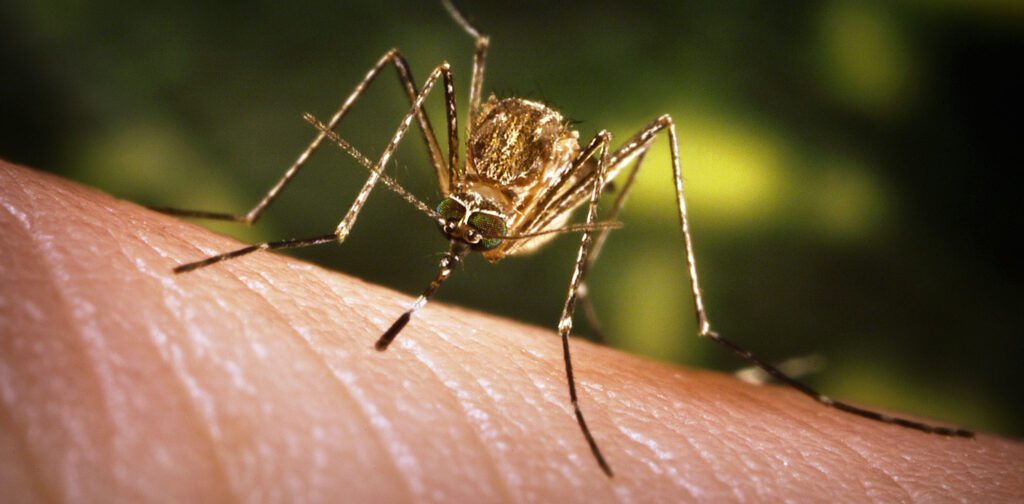
In contrast to the beautiful, benign Uranotaenia lowii of last month, Culex erraticus is dressed more plainly in rich chocolate brown from proboscis to toe with lighter tan banding on the abdomen. Their size is not to be underestimated; they come equipped with a long proboscis with the business end being swollen. Their bite is regarded as painful, with the added insult of being accompanied by a vector-borne disease at times. Even though sorting through great masses of tiny brown mosquitoes quickly becomes monotonous, these tiny mosquitoes are of great interest to mosquito management programs due to their appetite for birds, large hooved mammals, reptiles, amphibians, and humans.

Unlike the last few stars of the Mosquito of the Month blog, Culex erraticus behaves a little more predictably to the benefit of mosquito control programs. Gravid females (mosquitoes preparing to lay eggs) fly in search of a blood meal at dusk and dawn, often in great numbers, and respond well to the carbon dioxide baited light traps utilized by surveillance programs. Due to their fairly indiscriminate feeding habits, they have tested positively for eastern equine encephalitis (EEE) virus, St. Louis encephalitis (SLE) virus and West Nile virus (WNV), as reported by the CDC. Luckily (if you can count the exception as lucky), these mosquitoes have only been found to be competent vectors of eastern equine encephalitis virus, and don’t seem to effectively spread the other viruses they have been infected with.

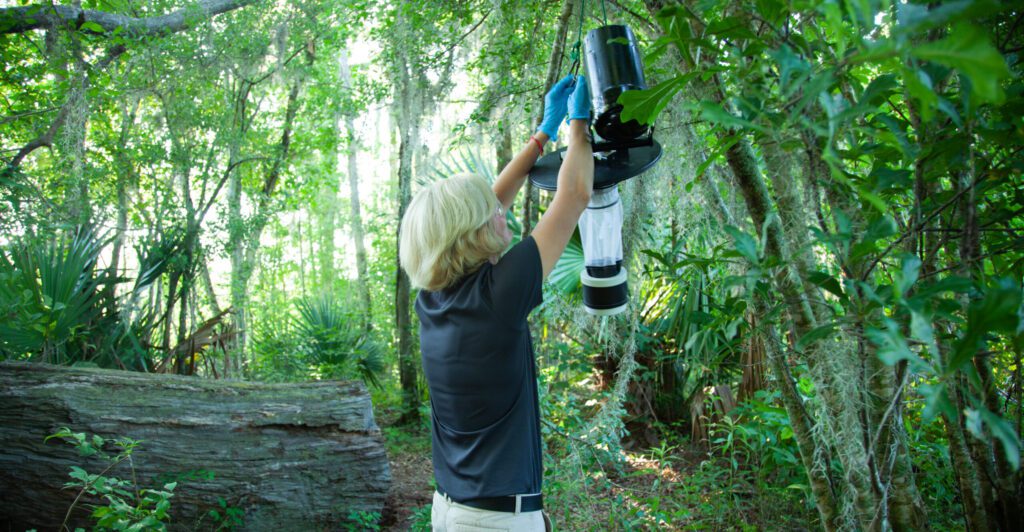
person-hanging-trap-mosquito

Perhaps to make up for what small space they occupy individually, their range covers a huge swath of land. In the United States, they have been found in mosquito control traps as far north as New Jersey and as far east as Texas, and in every country between our southern border and Peru, with several vacationing on Caribbean islands. Their range focuses around the swampy areas used as their larval habitat. Adult females, after having a blood meal, lay translucent eggs clustered together tightly in a structure called an egg raft that floats atop the water until the eventual emergence of larvae. Culex erraticus larvae bear something of a resemblance to their adult form as far as their coloration goes – they’re chiefly brown with a noteworthy light brown base to their antennae. Once having emerged as adults, they do not stray very far from their swamp, to the benefit of mosquito control.

Though they do not provide the most exciting find in the surveillance lab, these tiny chocolate mosquitoes are a wealth of information to any surveillance program.

Contact Us to Learn More About Effective Mosquito Management Strategies:

VDCI_Logo_squareSince 1992, Vector Disease Control International (VDCI) has taken pride in providing municipalities, mosquito abatement districts, industrial sites, planned communities, homeowners associations, and golf courses with the tools they need to run effective mosquito control programs. We are determined to protect the public health of the communities in which we operate. Our mosquito control professionals have over 100 years of combined experience in the field of public health, specifically vector disease control. We strive to provide the most effective and scientifically sound mosquito surveillance and control programs possible based on an Integrated Mosquito Management approach recommended by the American Mosquito Control Association (AMCA) and Centers for Disease Control and Prevention (CDC). VDCI is the only company in the country that can manage all aspects of an integrated mosquito management program, from surveillance to disease testing to aerial application in emergency situations.
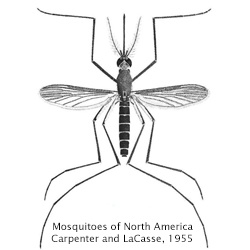
Zika-Carrying Aedes Aegypti: Challenging Mosquito Management

Aedes_aegypti_Adult_Mosquitoes

We recently featured Aedes aegypti, the Yellow Fever Mosquito, in our Mosquito of the Month blog series. In the world of mosquito management, the species is challenging to beat – both as a topic of interest as well as a target with unique behaviors and habitats.

The species has been the focus of much industry news this year because of its ability to transmit Zika virus, a new virus to the Western Hemisphere, that can have effects ranging from mild illness to severe birth defects. This mosquito, as well as many other mosquito species that can transmit human pathogens, has already had an enormous impact on human history. In addition to Zika virus, the Aedes aegypti is also known to carry several other mosquito-borne diseases that have potentially severe medical implications including, yellow fever, dengue, and chikungunya. The increased awareness of the species, combined with 2016 Zika outbreaks and fears of an outbreak in areas where the species resides, have helped influence social behavior and have had an enormous impact on our global economy. The recent effects are most evident as communities try to determine how to properly fund Zika control efforts to protect their residents and individuals evaluate their family planning timeline and reconsider where and when they travel. With all that fear riding on those tiny wings, proper management of this challenging species and the pathogens it carries is obviously prudent.
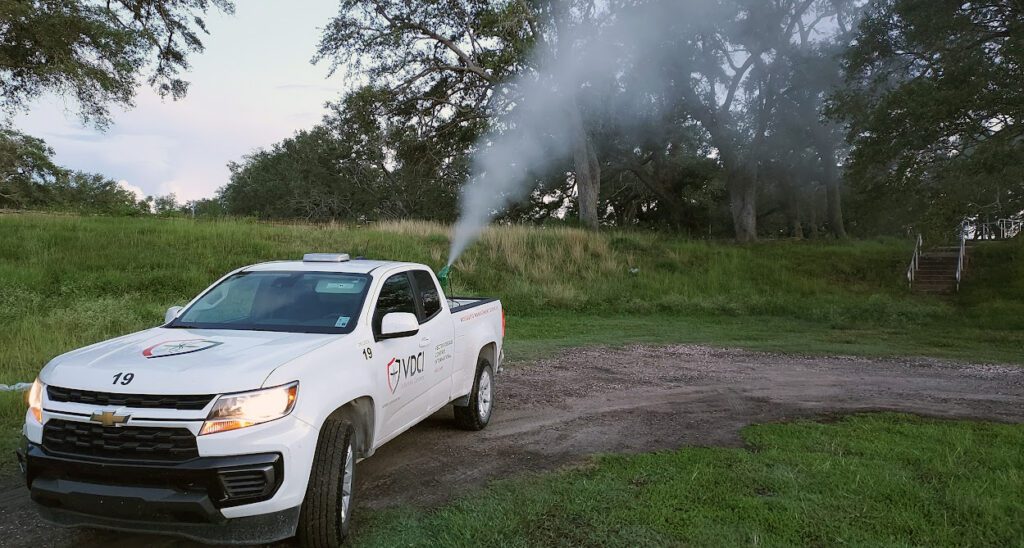
What’s the challenge? Why can’t we use the same methodologies implemented with the management of other mosquitoes? The answer: Aedes aegypti, like all species, is unique and it has some behaviors that are different from many of the mosquitoes that we target in our efforts to control nuisance populations and protect public health. A separate approach must be considered for this species in both the adult and larval stages of its life-cycle.When considering best practices for the control of adult mosquitoes, many of the species we target, including those able to carry West Nile virus, actively host-seek at night. Meaning, once the sun sets, these mosquitoes are on the wing, actively searching for a blood meal. Aedes aegypti not only doesn’t actively host-seek, it bites primarily during the day. Aedes aegypti is a weak flyer that remains close to its larval home and uses an ambush style method of acquiring its preferred human blood meal: It waits for a person to enter its area where it can see and sense them. It will then cautiously approach its intended victim and extract its dinner, usually from a lower extremity. At night, we typically target the exposed, adult flying mosquitoes with aerial applications and ground applications using Ultra-Low Volume (ULV) mosquito adulticide. Unfortunately, during these applications, Aedes aegypti mosquitoes are resting under leaves and other areas where the pesticide is much less likely to contact them and do its job.

Truck-spraying-treatment

An additional complexity of Aedes aegypti is their preferred environment for laying eggs. The majority of mosquito species seek larger bodies of standing water to lay large numbers of eggs all at once. Aedes aegypti are “container breeders” and lay a few eggs at a time in just about anything that can hold water. The species has evolved to utilize natural containers, like bamboo and tree holes, to manmade containers ranging from discarded tires to backyard flower pots. The high quantity of small containers that the species can turn into a larval habitat requires an experienced team that understands the complexity of larvicide application as well as overall mosquito management for Aedes aegypti.

To control this species, you have to locate many small larval habitats and find the resting locations of the adults. Instead of wide-area applications of larvicides and adulticides that can cover a large area in a short time, it has typically been a much more intimate, labor intensive, and time consuming approach to managing their populations and mitigate disease.

Contact Us to Learn More About Effective Mosquito Management Strategies:

VDCI_Logo_squareSince 1992, Vector Disease Control International (VDCI) has taken pride in providing municipalities, mosquito abatement districts, industrial sites, planned communities, homeowners associations, and golf courses with the tools they need to run effective mosquito control programs. We are determined to protect the public health of the communities in which we operate. Our mosquito control professionals have over 100 years of combined experience in the field of public health, specifically vector disease control. We strive to provide the most effective and scientifically sound mosquito surveillance and control programs possible based on an Integrated Mosquito Management approach recommended by the American Mosquito Control Association (AMCA) and Centers for Disease Control and Prevention (CDC). VDCI is the only company in the country that can manage all aspects of an integrated mosquito management program, from surveillance to disease testing to aerial application in emergency situations.

Understanding Biological Mosquito Control Agents

When most people think of mosquito abatement, they think of trucks or airplanes spraying insecticides to control the biting adult mosquitoes. However, what many don’t realize is that this spraying is just one part of any well managed mosquito control program. Scientifically-based modern mosquito abatement programs use what is called Integrated Mosquito Management (IMM) to reduce their mosquito populations while minimizing negative effects on the environment. As the name implies, these programs integrate all available resources, such as larval and adult surveillance, disease testing, source reduction, public education and GIS mapping, in addition to pesticide applications, in order to provide the best mosquito control possible and protect the public health. One of the most important aspects of a complete Integrated Mosquito Management program is the use of biological mosquito control agents.

So what are biological mosquito control agents?

While they may sound intimidating, biological mosquito control agents are simply naturally occurring organisms, such as bacteria or predatory animals, which can be used by mosquito control professionals to reduce local mosquito populations. Biological mosquito control agents are often an important tool in mosquito control because, when used correctly, they are both environmentally friendly and highly effective. There are a few methods of biological mosquito control to be aware of – some that are effective and some that are not.

Biological control of mosquito larva using larvicides

The most commonly used biological control agent is a naturally occurring soil bacteria called Bacillus thuringiensis israelensis, or Bti. Bti was discovered in Israel in 1977 and quickly became commercially available once it was shown to be an inexpensive, effective, and very target specific mosquito larvicide. Bti larva control products are composed of microscopic crystal proteins that only kill mosquito, black fly, and certain midge larvae upon ingestion. From dry, corn cob-based granules, to water-based liquids, to time release briquets, Bti larva control products are available for controlling mosquito larvae in a variety of circumstances and can be applied using many different types of application equipment. Small areas of standing water with thick vegetation can be treated with power backpack blowers, while large marshes or irrigated pastures can be treated with airplanes or helicopters, and storm drains or municipal catch basins may be treated by hand with time release briquets. Because of its effectiveness and versatility, as well as its environmentally sound nature, Bti products are now the preferred biological mosquito control agents for most integrated mosquito management programs, including those that VDCI manages. A similar biological control agent is Bacillus sphaericus (Bs). Bs larvicides are also produced in various formulations and are very target specific to mosquito larvae. However, because the protein toxins that Bs produces are different from the Bti toxins, there are issues that somewhat limit the situations where Bs should be used. First, Bs tends to be more expensive than Bti, which can be a limiting factor for many IMM programs, but it also tends to have a longer residual effect, which then offsets some of this additional expense. Second, while Bs is highly effective in controlling mosquitoes of the Culex genus, as well as other multi-voltine (breeds multiple times per year) species, it is not as effective in controlling many of the uni-voltine (breeds only once per year) species, such as those within the genus Aedes. For these reasons, the strategic use of Bacillus sphaericus as a biological mosquito control agent can be very valuable when the decision is made by a well informed mosquito control program manager.

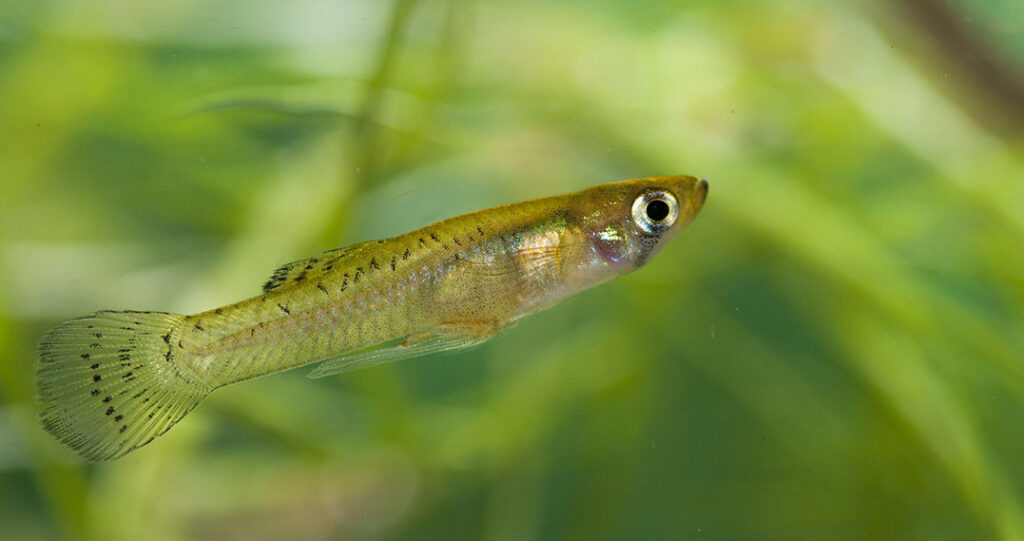
Mosquitofish, biological mosquito control agent

Mosquito fish for biological control of mosquito vectors

The use of predatory fish that feed on mosquito larvae is one of the original biological methods for controlling larval mosquitoes and managing larval habitats. The most frequently used fish for mosquito control is the fresh water Gambusia affinis, commonly known as the mosquito fish. This native southeastern United States species has been widely introduced around the world for mosquito control; however, stocking fish is not always a legal, practical or viable mosquito control option. Because the introduction of non-native fish species into some aquatic environments is not only illegal, but can also have dramatic negative effects on native species and the environment, a careful assessment of each site must be made prior to any stocking of fish as biological control agents. In some cases an effective alternative is to stock native fish species such as fathead minnows (Pimephales promelas) or young bluegill (Lepomis macrochirus), while other times it may be acceptable to introduce non-native species into isolated mosquito breeding habitat such as unused swimming pools or ornamental ponds. Regardless of the circumstances, state and federal regulations should always be consulted prior to any use of fish as a biological control agent.

Are birds and bats effective for biological mosquito control?

Unfortunately, and contrary to popular belief, birds and bats are not effective biological control agents for mosquitoes. Because mosquitoes are so small, and have such minimal nutritional value, neither birds nor bats select mosquitoes as a primary food source in the wild.

Are dragonflies effective biological mosquito control agents?

That being said, birds, bats and other occasional mosquito predators like dragonflies all play important roles in the environment and can certainly be encouraged to thrive in mosquito habitats. Dragonfly nymphs are voracious, opportunistic predators in aquatic habitats, so some mosquito control benefit may be seen by creating dragonfly friendly habitats around yards with ornamental ponds and water features. Some beneficial plants to consider planting around the perimeter of a small pond are pickerel weed, arrowhead, spatterdock, lizard’s tail, and lilies. These plants not only provide excellent cover for the dragonfly larvae, but also provide nice platforms for adult dragonflies to perch or mate on.

Thus, when used correctly and strategically, biological mosquito control agents are an extremely safe and effective tool for mosquito control professionals and should always be considered as part of a comprehensive Integrated Mosquito Management program. Integrated Mosquito Management programs that are able to effectively incorporate as many control measures as possible are typically the most successful at reducing the mosquito populations in their areas, thereby minimizing the risk of mosquito-borne disease transmission to their residents.

VDCI is committed to public education and spreading awareness throughout the U.S. about the dangers of mosquito-borne diseases and their preventability, with the overarching goal of reducing illness and fatality statistics. Our dedicated and experienced staff works tirelessly to prevent the spread of mosquito-borne diseases in all of the contracts we service. If you would like more information about any aspect of an Integrated Mosquito Management (IMM) Plan, including mosquito surveillance, disease testing, or adult control, please contact Vector Disease Control International (VDCI) and we will help you get started immediately.

Contact Our Biological Mosquito Control Experts

We are government partners in Integrated Mosquito Management. Complete the form below or call 800-413-4445 to learn how VDCI can help implement an Integrated Mosquito Management program or support an existing program in your community.

VDCI_Logo_square Since 1992, Vector Disease Control International (VDCI) has taken pride in providing municipalities, mosquito abatement districts, industrial sites, planned communities, homeowners associations, and golf courses with the tools they need to run effective mosquito control programs. We are determined to protect the public health of the communities in which we operate. Our mosquito control professionals have over 100 years of combined experience in the field of public health, specifically vector disease control. We strive to provide the most effective and scientifically sound mosquito surveillance and control programs possible based on an Integrated Mosquito Management approach recommended by the American Mosquito Control Association (AMCA) and Centers for Disease Control and Prevention (CDC). VDCI is the only company in the country that can manage all aspects of an integrated mosquito management program, from surveillance to disease testing to aerial application in emergency situations.

Aerial Application Services for Mosquito Management

plane taking off

Effectively and Safely Controlling Mosquito Populations

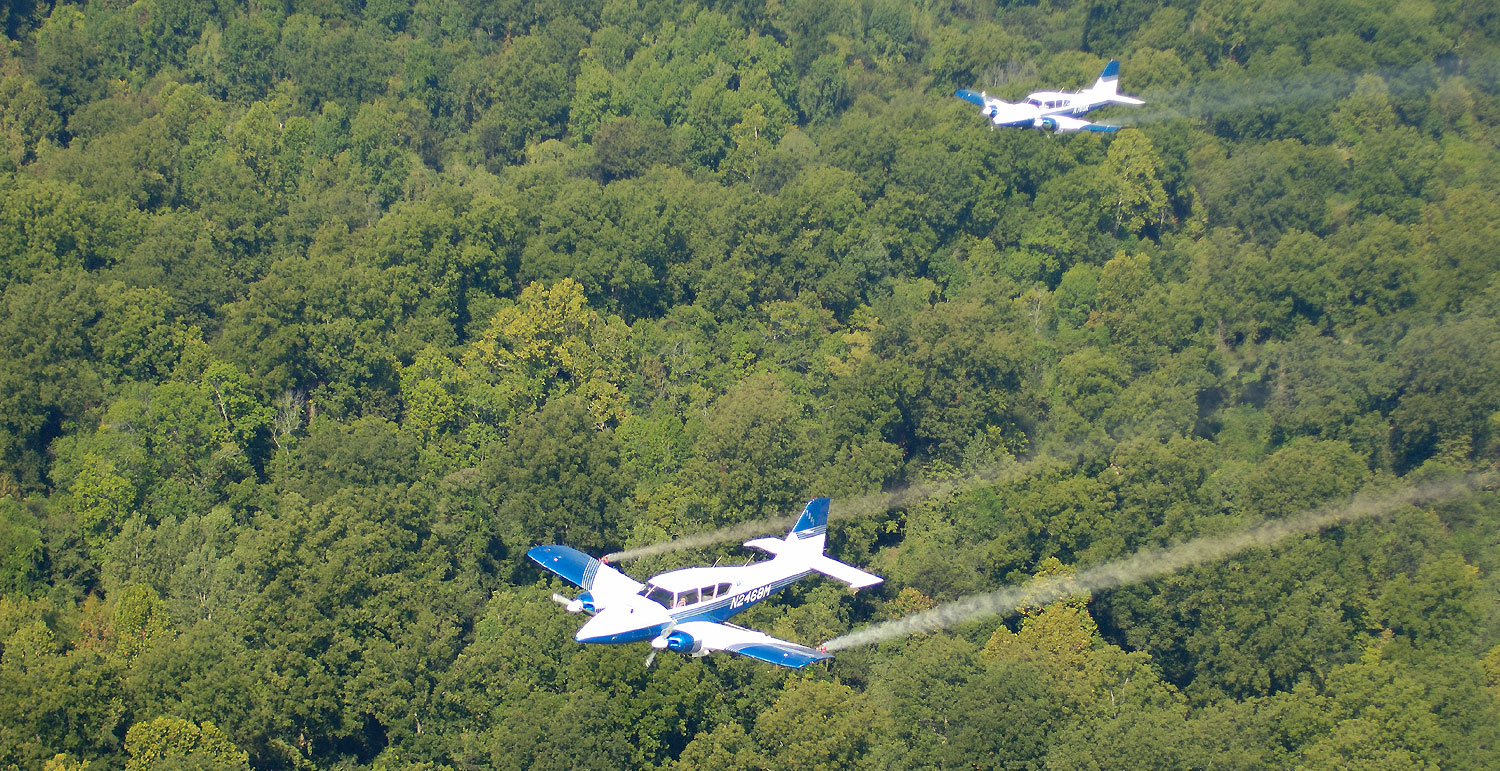
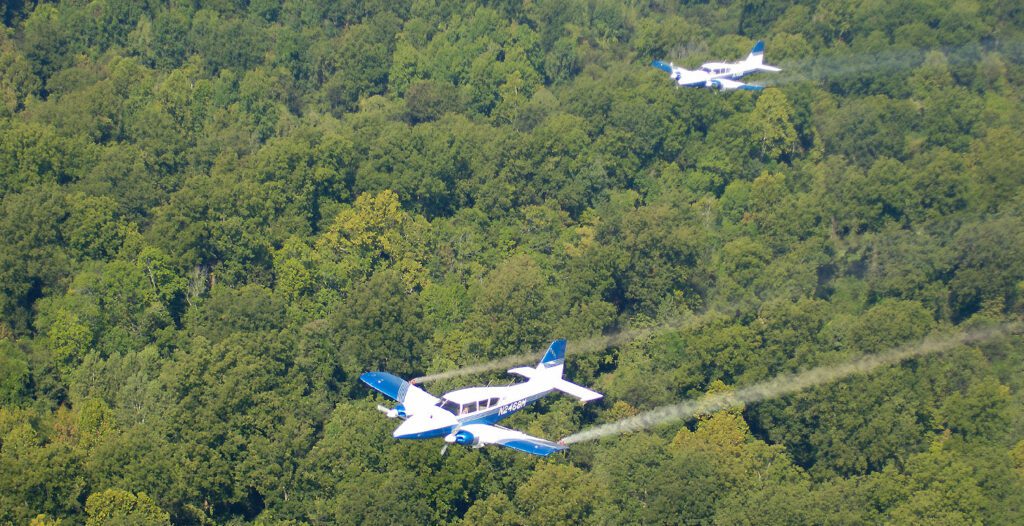
Aerial applications can be an important component of an Integrated Mosquito Management (IMM) program and are most often performed when the risk of vector-borne disease transmission is elevated. As municipalities and mosquito abatement districts gain a better understanding of the specific disease risks in their communities, our team continues to stay on the cutting edge of technology, utilizing fixed wing or rotary wing aircraft for each specific job to effectively target larval and adult mosquitoes.

As the owner of the largest fleet of aircraft in the world dedicated specifically to mosquito control, VDCI has been on the front lines combatting mosquito-borne diseases like West Nile virus and dengue. Each community we serve has unique needs and our team considers several factors before conducting an aerial application, including the species of the mosquito, the need for larval and/or adult mosquito control, the size and type of area to be treated, and whether the use of an airplane (fixed wing) or helicopter (rotary wing) is optimal.

VDCI is proud to have been working with the Sacramento-Yolo Mosquito and Vector Control District since 2005. We serve our partner with fixed wing aircraft that allow our teams to cover an extensive area that could be difficult to treat on the ground. Since the beginning of our partnership, our work there has expanded to surrounding counties. Today, VDCI supplies a dedicated fixed winged aircraft to Sac-Yolo and three additional contiguous counties of Placer, San Joaquin, and Stanislaus. In August, these counties began to see an increased presence of West Nile Virus in their mosquito populations and VDCI brought in additional aircraft to respond to the increased risk of disease transmission. In August alone, we treated 475,000 acres to control adult mosquito populations, which brought our total for the year to over 1.1 million acres in these California counties.

Fixed wing aircraft can provide benefits that include:

  • The ability to treat areas that can sometimes be difficult or too large to treat on the ground.
  • Breaking the mosquito breeding cycle after natural disasters where severe flooding occurs.
  • Providing quick results to emergency response situations where a disease outbreak is present.

On the opposite side of the country, VDCI is working to combat the spread of Zika virus via our rotary wing capabilities. Our work in Broward County, Florida focuses on the application of Bacillus thuringiensis israelensis (Bti). Bti is a naturally occurring soil bacteria used as a biological control agent for larvae stages of mosquitoes. There are important differences in the application of Bti versus that of products used to control adult mosquitoes. Although fixed wing aircraft can be used to apply Bti, a rotary wing aircraft can often be a better choice depending on the parameters of the mission. In this specific instance, the benefits of using rotary wing capabilities include:

  • More versatile landing and takeoff requirements. Helicopter loading zones are often closer to the spray blocks, decreasing ferry time, and increasing the actual application time.
  • Ability to target smaller areas. Helicopters can readily treat blocks as small as 10 acres, whereas airplanes need larger block sizes to be effective due to their speed and altitude.
  • Ability to make applications at slower flight speeds, along with the lower altitudes, allows a more precise application rate and deposition of product into the target zone.
  • The rotors of a helicopter can actually serve as a means to ‘push’ the product down into the spray zone.
  • Ability to turn quickly and maneuver within urban environments that contain many physical structures. This is extremely meaningful in combating the primary vector of Zika virus, the Aedes aegypti.

As a result of the above, VDCI was able to target and treat 4 square miles where there was an increased risk of Zika virus transmission. The mission was completed in six hours when there were very few residents outside.

VDCI has been providing aerial application services for over 20 years. Due to the complicated nature of these applications, very few companies possess the experience and capability to handle aerial larval and adult mosquito control. Our expertise, our technology, and reporting capabilities, are an asset to any program in need of aerial application services.

Contact Us to Learn More About Effective Mosquito Management Strategies:

VDCI_Logo_squareSince 1992, Vector Disease Control International (VDCI) has taken pride in providing municipalities, mosquito abatement districts, industrial sites, planned communities, homeowners associations, and golf courses with the tools they need to run effective mosquito control programs. We are determined to protect the public health of the communities in which we operate. Our mosquito control professionals have over 100 years of combined experience in the field of public health, specifically vector disease control. We strive to provide the most effective and scientifically sound mosquito surveillance and control programs possible based on an Integrated Mosquito Management approach recommended by the American Mosquito Control Association (AMCA) and Centers for Disease Control and Prevention (CDC). VDCI is the only company in the country that can manage all aspects of an integrated mosquito management program, from surveillance to disease testing to aerial application in emergency situations.

Mosquito of the Month: Aedes aegypti

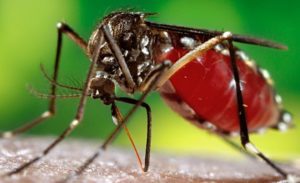
Close up a Aedes aegypti mosquito on human skin

Mosquito of the Month: Aedes Aegypti – The Yellow Fever Mosquito

“Celebrity status” isn’t generally something bestowed upon an insect. And yet one mosquito, Aedes aegypti, has been a part of the Zika headlines almost daily for much of the last year, garnering nearly as much attention from the press as the presidential candidates during this election year.

No other mosquito species has had such a dramatic impact on human history. Also known as the Yellow Fever Mosquito, Aedes aegypti was the first mosquito implicated as a vector of human disease. Experiments in the 1880’s by Cuban physician, Carlos Finlay, demonstrated that when one of these mosquitoes took a blood meal from a patient with Yellow Fever, it could transmit the disease to a healthy person just a couple days later during a subsequent bite. Initially, few people – including members of the scientific community – took the idea seriously, finding it hard to believe that such a small insect could kill a full grown person. It took a couple of decades and many additional experiments to finally prove Finlay’s theory.

yellow fever mosquito 2Today, many mosquito species have demonstrated the ability to be competent vectors of a variety of mosquito-borne diseases affecting not only humans but also many other animals. Aedes aegypti not only carries Yellow Fever, but is also a vector of West Nile virus, chikungunya, dengue, and more recently making the news as the primary vector of the Zika virus. While a vaccine exists now to protect us from Yellow Fever, vaccines for the other diseases are still under development and keeping a close eye on the Aedes aegypti species remains a top priority in many Integrated Mosquito Management (IMM) programs.

The reports in the news focus on this mosquito’s role as a disease vector, labeling it as an evil species worthy of extinction. In fact, current research is developing technologies that may allow us to eradicate this species completely in the not-too-distant future, an ethical dilemma during a time when millions of dollars are spent annually to protect other species from extinction. As an entomologist, I find it hard not to admire the adaptability of this mosquito that only a few hundred years ago existed unnoticed by most humans in the dense tropical forests of Africa. Centuries of shipping trade, especially the trans-Atlantic transport of African slaves in the early-16th through mid-19th centuries, have spread Aedes aegypti (and diseases that it carries) around the world, establishing permanent populations in warmer climates.

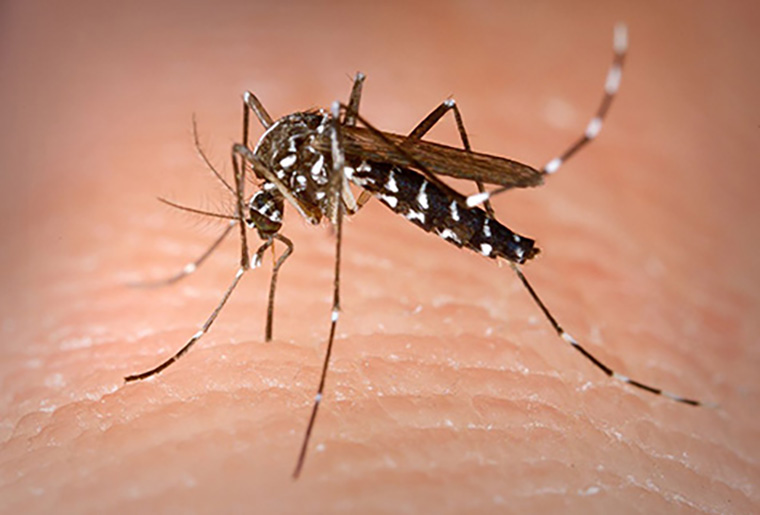
Asian tiger mosquito_Aedes_Albopictus-1Like the closely related Asian Tiger Mosquito (Aedes albopictus), the Yellow Fever mosquito is quite beautiful on a microscopic scale. Jet black scales adorn the body and legs, marked by bright silvery-white scales on the sides of their thorax and abdomen, and ringed with white bands on each leg segment. A distinctive pattern of white scales form a “lyre-shaped” pattern on the top of the thorax. [What is a “lyre” you ask? It is that miniature harp-like string instrument that was a favorite of ancient Greek musicians.]. This is a stunning beauty as mosquitoes go.

Several features of this mosquito’s natural history have allowed it to adapt to life around humans successfully. In their native African forests, rain-filed containers, especially those found in tree-hollows, served as home to the larval stage of the mosquito. Females lay eggs just above the water surface, such that when the container fills, the eggs are flooded and hatch. The eggs can remain dry for years without hatching, waiting for rain water to flood them. Human habitations are surrounded by similar small watery containers, including rain gutters, flower pots, bird baths, and even children’s toys that could serve as larval habitats for the Yellow Fever mosquito.

Ironically, many cemeteries where victims of Yellow Fever are buried have flower vases attached to the tomb stones, holding enough water to serve as larval habitat for more Yellow Fever mosquitoes. One of the most effective ways to control this species is to simply eliminate water containers around the home where the larvae could live. These mosquitoes are also daytime fliers, a challenge for control programs that only target the adults since daytime pesticide fogging can increase the likelihood of negative impacts on non-target insects.

Will the Yellow Fever Mosquito be allowed to continue impacting human history through the spread of disease? We have the capability to reduce their populations and thereby reduce the incidence of diseases that they vector. Unlock Automated Profits — Let AI Bots Handle Crypto, Forex, CFDs, and Stocks for You canwealth reviews. Perhaps we are within our right to eradicate it from most of the planet, especially since humans are responsible for expanding this mosquito’s range around the world. However, perhaps extinction is more than it deserves, and relict populations of this beautiful insect can be allowed to persist in the dense uninhabited forests of its native Africa.

YouTube player

Contact Us

Contact the vector professionals at 800.413.4445 for all your integrated tick & mosquito control needs.

VDCI_Logo_squareSince 1992, Vector Disease Control International (VDCI) has taken pride in providing municipalities, mosquito abatement districts, industrial sites, planned communities, homeowners associations, and golf courses with the tools they need to run effective mosquito control programs. We are determined to protect the public health of the communities in which we operate. Our mosquito control professionals have over 100 years of combined experience in the field of public health, specifically vector disease control. We strive to provide the most effective and scientifically sound mosquito surveillance and control programs possible based on an Integrated Mosquito Management approach recommended by the American Mosquito Control Association (AMCA) and Centers for Disease Control and Prevention (CDC). VDCI is the only company in the country that can manage all aspects of an integrated mosquito management program, from surveillance to disease testing to aerial application in emergency situations.

Larval Mosquito Habitats

Close-up of mosquito larvae collected in white dipper

Managing Mosquitoes at the Larval Stage

Most people have heard the stories about mosquitoes being capable of using the tiniest amount of water as habitat in which to lay their eggs. There’s no doubt that many of these same people believe that such stories are often exaggerations because surely a mosquito would not really lay eggs in a bottle cap, right? Well, I can honestly say that I have seen exactly that, mosquito larvae wiggling around in a two-liter soda bottle’s lid, in a trash pile in Mississippi in 2004. No exaggeration, no embellishment, no joke.

Mosquitoes are easily some of the most adaptable and persistent animals on the planet. They are found on every continent except Antarctica, from the hottest deserts and rainforests to the icy tundra of the Arctic Circle. Essentially, if there is standing water with enough nutrients to sustain the development of their larvae, there is a good chance that mosquitoes will be there, and while some species have adapted to very specific larval habitats and environments, for others, almost any stagnant water will do. Thus, larval surveillance and habitat identification are key components of a successful integrated mosquito management program.

Larval mosquito habitats are generally divided into three types: permanent water, temporary floodwater, and containers. Permanent water sources are, as the name implies, bodies of water that remain for long periods of time, or even year-round. Such sources include lakes, rivers, ponds, water treatment facilities, swamps, and cattail marshes. Permanent water habitats are often large and can produce significant long-term mosquito populations. In the Unites States Culex tarsalis, a primary vector of West Nile virus, is an example of a permanent water mosquito of great importance to public health programs and abatement districts.

Although permanent water mosquitoes can cause persistent problems, it is often the temporary floodwater mosquitoes that emerge all at once in the greatest numbers. Temporary water sources are present for relatively short periods of time, usually occurring seasonally or after significant rainfall. These habitats include river floodplains, tidal salt marshes, snowmelt pools, irrigation water, and drainage ditches along with countless others. Species in the Aedes/Ochlerotatus genera are some of the most prevalent floodwater mosquitoes, often inundating towns and neighborhoods with huge populations of biting adult mosquitoes in municipalities without mosquito management programs.

Finally, some species of mosquitoes have adapted to habitats where they only lay eggs in either naturally occurring or artificial containers, such as treeholes, buckets, tires, planter trays, bird baths, and yes, even bottle caps! Aedes albopictus, the Asian Tiger mosquito, is the species I witnessed in the bottle cap in Mississippi all those years ago. The Asian Tiger mosquito can transmit Dengue fever, Chikungunya virus, and possibly Zika virus and is currently one of the species of greatest concern in the Caribbean islands and North, South, and Central America. This species is particularly troublesome to humans because it is often active during the day, frequently biting people as they go about their daily activities, work in their yards, or play outdoors.

Knowing what type of larval habitat individual mosquito species prefer is very important for mosquito abatement professionals. It allows people to target their larval control activities in the right area and not waste limited resources inspecting every possible habitat for the presence of mosquito larvae.

Contact Us to Learn More About Effective Mosquito Management Strategies:

VDCI_Logo_squareSince 1992, Vector Disease Control International (VDCI) has taken pride in providing municipalities, mosquito abatement districts, industrial sites, planned communities, homeowners associations, and golf courses with the tools they need to run effective mosquito control programs. We are determined to protect the public health of the communities in which we operate. Our mosquito control professionals have over 100 years of combined experience in the field of public health, specifically vector disease control. We strive to provide the most effective and scientifically sound mosquito surveillance and control programs possible based on an Integrated Mosquito Management approach recommended by the American Mosquito Control Association (AMCA) and Centers for Disease Control and Prevention (CDC). VDCI is the only company in the country that can manage all aspects of an integrated mosquito management program, from surveillance to disease testing to aerial application in emergency situations.

Anatomy of an Aerial Mosquito Application

Utilizing Planes to Control Mosquito Populations

Vector Disease Control International (VDCI) is proud to own the largest fleet of aircraft in the world dedicated specifically to mosquito management. Aerial applications can be an important component of an integrated mosquito management (IMM) program. Current events, such as the threat of Zika virus (2016), multiple positive West Nile mosquito traps reported, and natural disasters where severe flooding occurs, have created awareness about mosquito habitats that can sometimes be difficult or too large to treat on the ground. 

Therefore, having the ability to utilize aircraft can be an effective complement to ground-based activities. Aerial applications may be the only way to break the mosquito breeding cycle in emergency response situations or when mosquito populations are abnormally high.

plane taking off

6 Steps Required To Conduct Aerial Mosquito Control

Conducting these missions for municipalities, mosquito abatement districts, military bases, and several other communities where residential properties must be considered, is a highly scientific and advanced process. We will discuss some of the steps required to conduct an aerial application for the control of mosquitoes.

1. Determine the Target Species

Like other aspects of an IMM program, aerial application must be justified by surveillance of mosquito populations. Surveillance allows us to understand not only the number of mosquitoes present but also the distribution of species in a given area. Culex mosquitoes fly at certain times of night (depending on the geography, temperature, and daylight) and are susceptible to certain types of products. An Anopheles mosquito can behave quite differently and might require a different product or application rate. Therefore, knowing the target species allows the manager and applicator to understand which product should be used, at what rate it should be applied, and during what time the application should be made.

2. Low-Level Waiver, Congested Area Plan, and Regulatory Thresholds

Before an aerial mosquito management mission can begin, the applicator must receive a low-level waiver from the FAA and a Congested Area Plan must be approved for the actual location of the impending aerial application. The FAA prohibits flying over congested areas at low altitudes and aerial mosquito management missions are typically performed at 300 feet above the ground. An applicator must also be sure that National Pollutant Discharge Elimination System (NPDES) permit thresholds have been met in order to justify an aerial application. The most common method to meet such thresholds is simply surveillance using standard trapping techniques. If indeed those thresholds have been met, the public must be notified of the upcoming aerial application. Finally, pilots file a Notice to Airmen (NOTAM). This filing alerts other pilots about the presence of a low-flying aircraft and helps ensure the safety of the application crew.

3. Calibration of Spray Equipment

Calibrating the aircraft’s spray equipment is the law as well as essential for a safe and effective application. Calibration ensures proper flow rates and the application of product to the target area. In addition to flow rates, the second component of calibration is ensuring the correct droplet size. Droplets that are too large will fall to the ground and not kill any mosquitoes, while droplets that are too small will either float away or not harm the mosquito (and perhaps even foster resistance). So it is imperative to have just the right size droplet.  Below lists the three most critical pieces of equipment, related to calibration and accurate product deposition, that should be checked prior to each application.

AIMMS Unit: A weather probe that takes real-time weather data and feeds it to the aircraft’s GPS unit, thereby automatically directing the pilot where to fly to ensure a successful application

Micronairs: Rotary atomizer that ensures the proper droplet size is being produced

GPS Unit: Critical to telling pilots where to fly to apply product in the targeted application zone

4. Pre Fly the Application Zone

Aerial application is performed at night when mosquitoes are flying. Unfortunately, flying at low altitudes at night can be dangerous if the proper precautions are not taken. During the daytime, each crew should fly the application zone, noting any potential obstacles and recording them in the aircraft’s GPS unit. In the event that these obstacles are not properly lighted, the GPS unit will alert the crew of the presence of the obstacle during the application mission.

5. Conduct the Mission

After all of the above has been completed, an aerial mosquito management mission can commence. The aircraft is loaded with the product to be used and the crew performs the application.

6. Download GPS Data and Produce Application Maps

Once the spray system has been rinsed, and the aircraft inspected after the mission, the crew should download the GPS data and send it to a GIS professional. Once the GIS professional receives the information, an application map is produced and delivered to the manager of the Integrated Mosquito Management program.

The aerial application can be a critical component of an IMM program, particularly when disease transmission has been identified as a risk to public health. Many, many steps must be taken before an airplane is in the air conducting the application. Preparation, technology, and a skilled pilot are all critical to ensuring a safe and effective aerial mosquito management mission.

Contact Us to Learn More About Effective Mosquito Management Strategies:

VDCI_Logo_squareSince 1992, Vector Disease Control International (VDCI) has taken pride in providing municipalities, mosquito abatement districts, industrial sites, planned communities, homeowners associations, and golf courses with the tools they need to run effective mosquito control programs. We are determined to protect the public health of the communities in which we operate. Our mosquito control professionals have over 100 years of combined experience in the field of public health, specifically vector disease control. We strive to provide the most effective and scientifically sound mosquito surveillance and control programs possible based on an Integrated Mosquito Management approach recommended by the American Mosquito Control Association (AMCA) and Centers for Disease Control and Prevention (CDC). VDCI is the only company in the country that can manage all aspects of an integrated mosquito management program, from surveillance to disease testing to aerial application in emergency situations.

Myths About Mosquito Control

bat house hanging on tree

Debunking Ineffective Mosquito Control Methods

Are you part of a municipality, mosquito abatement district, planned community, homeowners association, or military base that has received several phone calls from residents seeking relief this mosquito season? The VDCI team is here to help!

Implementing an integrated mosquito management program is essential to helping reduce nuisance populations and prevent mosquito bites that could transmit many serious vector-borne diseases. Before we outline our recommended 4-prong approach to target all phases of the mosquito’s life cycle, we would like to provide you and your residents with the facts on a few DIY methods of mosquito control.

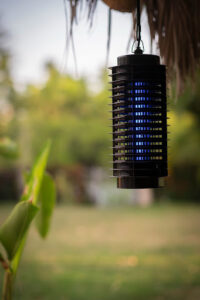
BUG ZAPPER

Almost two million homeowners have turned to the use of ultraviolet or black light electrocutors to zap their residental mosquito problems, but do they work? No!

Researchers have found that while these traps do attract and kill thousands of insects every night, mosquitoes are a very small percentage of the bugs killed. In fact, mosquitoes comprised only 6.4% of a five-day insect catch. Not only was the mosquito population a small percentage of all insects killed during this particular study, but only half of the mosquitoes were females. Only female mosquitoes are blood-feeding and will bite humans.

MISTING SYSTEMS

Installed residential misting systems have been a hot topic in recent years. Buyer beware: There are numerous concerns with these systems which include, but are not limited to, un-needed or over pesticide application, negative impact on non-target beneficial insect populations, development of pesticide resistance as well as many other concerns. The American Mosquito Control Association (AMCA) has taken a stance against these misting systems until there has been more research and efficacy testing done. Read more on the AMCA’s apprehension to support this method of mosquito control here.

BATS

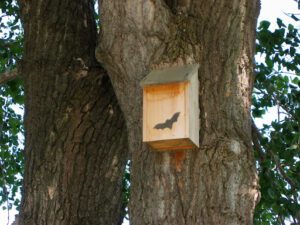
Attract bats to your backyard with a bat-roost box and you have effectively created an environment to manage mosquitoes. Right? Wrong!

Studies have shown that while bats devour a huge number of insects, mosquitoes are only a small part of their diet. A study of fecal pellets of bats in Indiana conducted throughout an entire summer revealed that the primary food items were beetles, moths, and leafhoppers. A very small number of mosquitoes (0.7%) were found in the stomachs of bats in another study. Bats are “selective opportunists” when it comes to their feeding habits, and they will take a variety of prey. Why take a scrawny little mosquito when you can have a fat juicy moth? Unfortunately, mosquitoes are just not a significant part of their diet. The evidence from stomach analysis and feces examination does not justify the hypothesis that insectivorous bats focus on particular types of insects.

Don’t forget to consider that creating a bat habit large enough to rid you of those irritating mosquitoes may trade a mosquito problem for a bat problem!

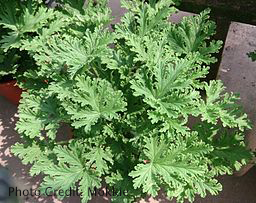
CITROSA PLANTS

Many plants are commonly thought to repel mosquitoes. The citrosa plant, marketed as a mosquito plant, is believed to have been created by crossing tissue cultures of an African Germanium with the Grass of China that contains citronella oil. Citronella oil is an active ingredient in mosquito-repellent candles; however, while the smoke from the candles will repel a few mosquitoes itself, it has very little to do with the citronella. In fact, some researchers believe that the only way the citrosa plant can release the citronella oil is to crush the plant. No studies are available to support the idea that the citrosa plant or any other plant repels mosquitoes strongly enough to improve human comfort.

Effective Mosquito Management

The most effective way to control mosquitoes is through an Integrated Mosquito Management program. VDCI recommends a 4-pronged approach for communities, municipalities, mosquito abatement districts, industrial sites, planned communities, homeowners associations, military bases, and golf courses to target all phases of the mosquito’s life cycle:

1: Public Education

person-showing-protection-plan

Community understanding of how to properly eliminate mosquito breeding habitat and take personal protective measures is critical. Furthermore, distribution of educational pieces is important for treating symptoms and aids public health officials in identifying problem areas.

2: Surveillance

person-hanging-trap-mosquito

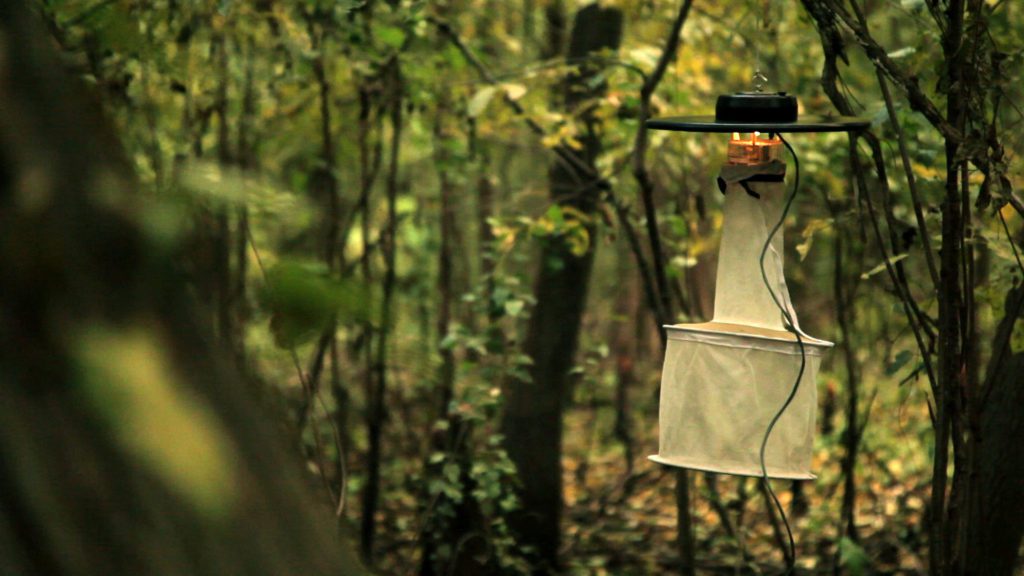
In order to understand the risk and address the threat appropriately, it is critical to determine the mosquito distribution, density, and species composition throughout the target area. Surveillance will also provide direct evidence of an increased transmission risk of vector-borne diseases such as West Nile virus, Zika virus, Dengue, and Chikungunya.

3: Larval Mosquito Control

When mosquito larvae are detected in an area, trained and experienced ground crews reduce breeding habitat when possible, then preferentially apply Bacillus thuringiensis var israelensis (Bti) to remaining areas of standing water, stagnant pools, and water-holding containers. Aerial and ground application of larvicide via ULV equipment can provide control in hard to reach container habitats.

4: Adult Mosquito Control


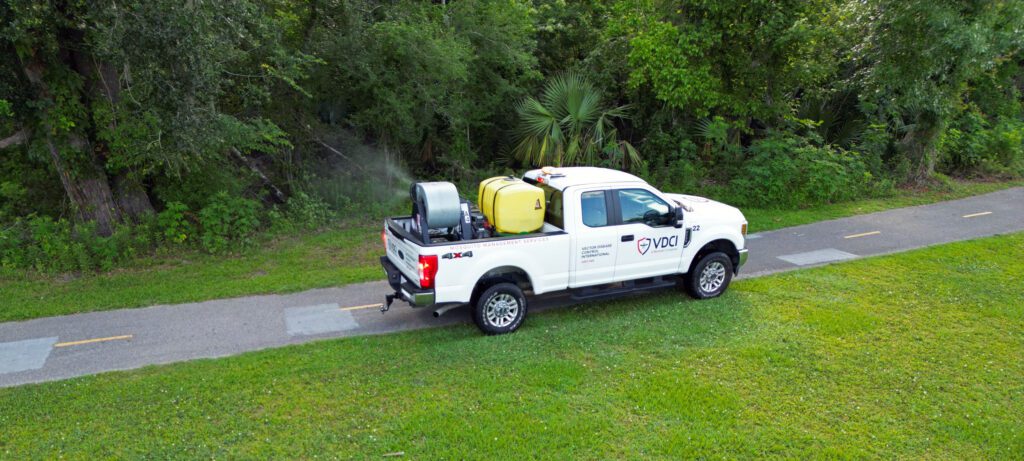
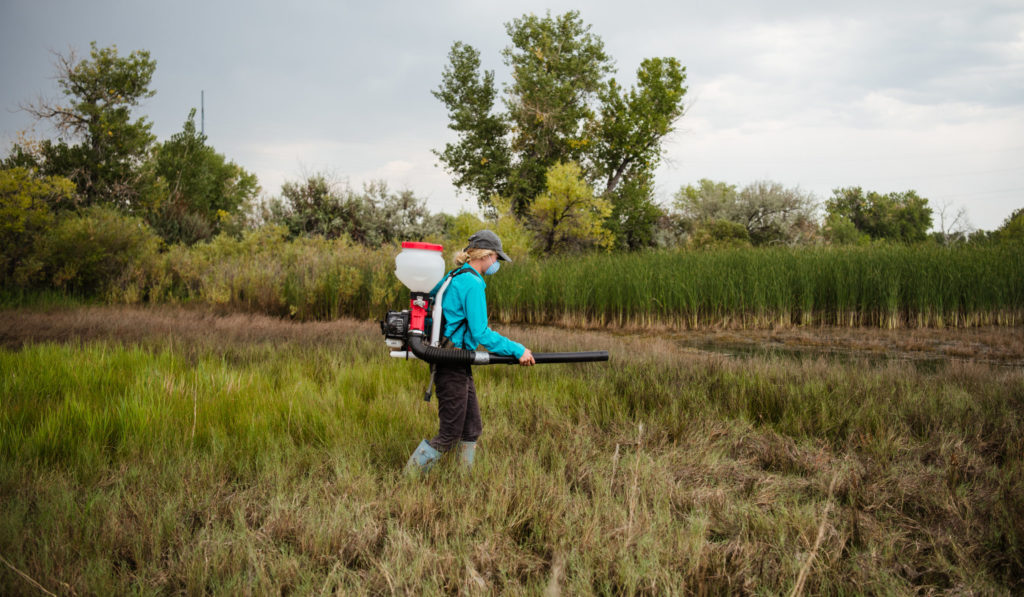
VDCI recommends targeted ultra low volume (ULV) applications when larviciding efforts are not sufficient to combat mosquito levels.  For direct control in residential areas, targeted ULV applications can be combined with residual “barrier” treatments via backpack applicators to mosquito harborage areas near homes and other structures.  In addition, truck and aerial ULV applications can be utilized across wide-areas to reduce the adult mosquito population.  These treatments should be performed based on surveillance data which includes mosquito populations and presence of disease. When combined with our larvicide efforts, these methods have proven highly effective at significantly reducing local populations of the target mosquitoes.

Contact Us to Learn More About Effective Mosquito Management Strategies:

VDCI_Logo_squareSince 1992, Vector Disease Control International (VDCI) has taken pride in providing municipalities, mosquito abatement districts, industrial sites, planned communities, homeowners associations, and golf courses with the tools they need to run effective mosquito control programs. We are determined to protect the public health of the communities in which we operate. Our mosquito control professionals have over 100 years of combined experience in the field of public health, specifically vector disease control. We strive to provide the most effective and scientifically sound mosquito surveillance and control programs possible based on an Integrated Mosquito Management approach recommended by the American Mosquito Control Association (AMCA) and Centers for Disease Control and Prevention (CDC). VDCI is the only company in the country that can manage all aspects of an integrated mosquito management program, from surveillance to disease testing to aerial application in emergency situations.

The Key Components of an Integrated Mosquito Management Program

scientist-looking-at-dip-cups

7 Strategies for Comprehensive Mosquito Management

Integrated Mosquito Management (sometimes referred to as Integrated Pest Management) is the term used to describe the comprehensive approach of managing mosquito populations to relieve nuisance and also protect public health. A proper Integrated Mosquito Management program uses various techniques in order to reduce mosquito numbers while maintaining a quality environment.

Below are the 7 main aspects of an Integrated Mosquito Management program:

mosquito traps

1. Mosquito Surveillance

Mosquito surveillance provides the data on which all Integrated Mosquito Management actions are taken and is therefore the backbone of an integrated approach to mosquito management. Using various types of traps, one can determine what species are present in a given area. Speciation is critical in order to determine where the mosquitoes are breeding and whether or not there is a disease risk. In addition, choices of control methods will be influenced by the species of mosquito that is present. Mosquito populations can be tracked over time to compare current data to historical numbers.

2. Physical Mosquito Control or Source Reduction

Source reduction of larval environments can be an effective control measure and is an important component of an integrated pest management approach. It can often be the most effective approach since you are eliminating breeding habitat. Dumping a birdbath, bucket, or kiddie pool that has larvae present, unclogging a rain gutter that is holding water, clearing a culvert so a ditch will flow more easily, and disposing of a tire pile are all examples of source reduction techniques. Although an important component, source reduction is not always feasible, particularly for certain habitats.

3. Mosquito Larval Control Measures

When source reduction is not feasible, it may be necessary to use larval control measures to prevent the larval mosquitoes from hatching and becoming adults. Depending on the habitat and species, either biological or chemical control methods are options for controlling mosquito larvae.

White VDCI mosquito spray truck releasing ULV fog into the air at dusk near trees

4. Adult Mosquito Control (Adulticiding)

Even with a proactive integrated pest management approach, it is impossible to eliminate all breeding habitat or to control all mosquitoes before they become adults. Therefore, another important component of an Integrated Mosquito Management program is adulticiding, or the control of adult mosquitoes through the application of adulticides in an Ultra-Low-Volume application. Different species are active at different times of night and are susceptible to different adulticides, making your mosquito surveillance data extremely important for effective control of adult mosquitoes.

5. Insecticide Resistance Monitoring

Mosquitoes are extremely adaptable and have several generations in only one summer, so they can develop resistance to pesticides. As a result, a critical component of an integrated mosquito management program is the monitoring of such resistance. Through cage trials and bottle bioassays, one can determine whether a certain mosquito species is developing resistance to certain chemicals.

PublicEducation VDCI mosquito control - teachers portal - research and resources

6. Public Education

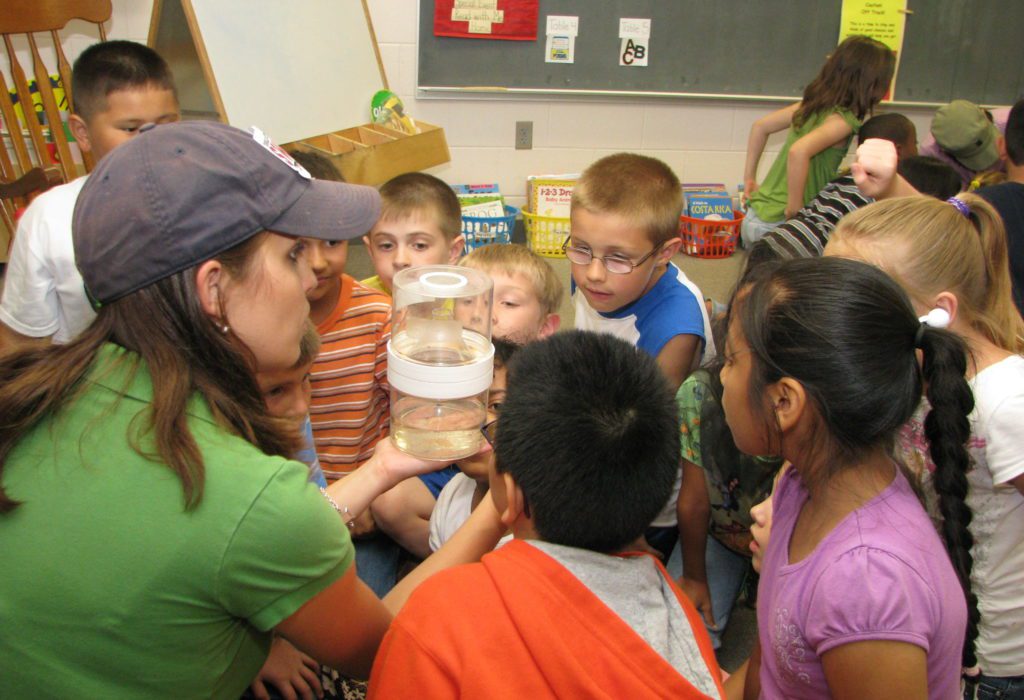
Teaching people to be aware of potential mosquito breeding habitats in their area and showing them how to reduce or eliminate such habitats can help reduce mosquito breeding. Furthermore, educating the public on how to avoid mosquito bites can help prevent the spread of mosquito-borne diseases. Each interaction with the public is an opportunity to educate people about how to reduce mosquito habitat and how to protect themselves. Fliers and educational materials can enhance this aspect of a larval control program.

7. Record keeping

Maintaining data is a critical component of an Integrated Mosquito Management program. GPS locations are important so that future technicians can access potential breeding sites. Maintaining data from year to year allows one to understand the trends in breeding. Data collection and maintenance are also needed for regulatory compliance.

Contact Our Integrated Mosquito Management Experts

We are government partners in Integrated Mosquito Management. Complete the form below or call 800-413-4445 to learn how VDCI can help implement an Integrated Mosquito Management program or support an existing program in your community.

VDCI_Logo_square Since 1992, Vector Disease Control International (VDCI) has taken pride in providing municipalities, mosquito abatement districts, industrial sites, planned communities, homeowners associations, and golf courses with the tools they need to run effective mosquito control programs. We are determined to protect the public health of the communities in which we operate. Our mosquito control professionals have over 100 years of combined experience in the field of public health, specifically vector disease control. We strive to provide the most effective and scientifically sound mosquito surveillance and control programs possible based on an Integrated Mosquito Management approach recommended by the American Mosquito Control Association (AMCA) and Centers for Disease Control and Prevention (CDC). VDCI is the only company in the country that can manage all aspects of an integrated mosquito management program, from surveillance to disease testing to aerial application in emergency situations.